
6 Archival Quality Fixative Sprays For Finished Work
Preserve your art with our top picks for archival quality fixative sprays. Compare the best professional-grade products to protect your finished work today.
When a masterpiece—perhaps a delicate lace shawl or a highly detailed intarsia wall hanging—is finally off the needles, the instinct is to protect it for posterity. While blocking is the primary step for shaping, adding a light, archival-quality fixative can provide a necessary barrier against environmental wear. Choosing the wrong product, however, can result in stiff, discolored, or brittle fibers that ruin years of work. This guide outlines the most reliable options to ensure fiber art projects remain as vibrant and supple as the day the final end was woven in.
Krylon Preserve It! Spray: Best for Paper & Fiber


Krylon Preserve It! is frequently favored for projects that prioritize structural integrity over extreme softness. It creates a subtle, protective layer that guards against moisture and airborne pollutants, making it a solid choice for mounted textile art.
Because this spray is designed with paper in mind, it works surprisingly well on stiffened, non-wearable fiber art. For projects like decorative felted ornaments or stiffened crochet lace, it offers a reliable barrier without yellowing over time.
However, avoid using this on garments meant to be worn against the skin. It adds a slight stiffness that can alter the drape of soft wools, turning a luxurious merino drape into something significantly more rigid.
Golden Archival Varnish: Pro-Grade UV Protection
Golden Archival Varnish stands out because of its exceptional lightfastness and UV-blocking capabilities. For fiber artists working with hand-dyed yarns that may be prone to fading, this product offers superior protection against sun damage.
It is a professional-grade product that requires a steady hand. Because it is highly concentrated, it is best reserved for pieces that are intended for display, such as fiber-based wall tapestries or shadow-boxed embroidery.
The finish is remarkably stable and does not shift in color or hue as it ages. It provides a level of chemical sophistication that simpler fixatives lack, justifying the higher price point for one-of-a-kind art pieces.
Grumbacher Final Fixative: For Delicate Fibers
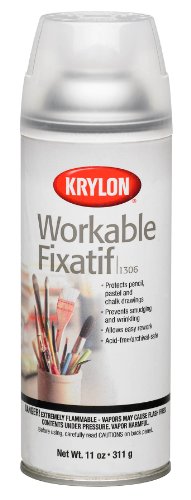
Grumbacher Final Fixative is a classic, reliable choice for those who fear the “crusty” feel often associated with aerosol coatings. It is specifically formulated to be thin and transparent, preserving the tactile quality of natural fibers like fine-gauge alpaca or angora.
This product excels when the goal is to prevent the surface fluff—or halo—of fuzzy yarns from matting down over time. It keeps fibers light and airy while providing a invisible layer of defense against dust accumulation.
Always ensure the project is bone-dry before application. Even a hint of residual moisture trapped in the core of a wool fiber can react poorly with aerosol agents, leading to a cloudy finish.
SpectraFix Degas Pastel Fixative: Non-Toxic Pick
SpectraFix is unique in the market because it is based on a casein binder rather than harsh synthetic polymers. For the eco-conscious maker who prefers to keep chemicals out of the studio, this is the most transparent and non-toxic option available.
Because it is water-based, it is remarkably gentle on natural fibers like cotton, silk, and linen. It does not contain the aggressive solvents found in traditional hardware store varnishes, meaning it won’t strip the natural oils or lanolin from high-quality wools.
It is worth noting that this fixative takes slightly longer to cure than solvent-based sprays. Give the project at least 24 hours in a well-ventilated space before attempting to handle or store it.
Aleene’s Final Finish Spray: Budget-Friendly Choice
Aleene’s Final Finish is a staple in many craft rooms for its balance of cost and performance. It is an excellent choice for those who are finishing multiple projects at once and require a dependable, low-cost solution for sealing surface fibers.
It is particularly effective on synthetic blends that do not absorb traditional water-based stiffeners well. If you have finished a project using acrylic yarn and want to keep it looking fresh, this spray provides a consistent, even coat.
Keep in mind that it is best applied in very light, misty layers. Too much product at once can cause the fibers to clump together, negating the work spent achieving a smooth stitch definition.
Winsor & Newton Varnish: For a Professional Sheen
Winsor & Newton brings fine-art standards to the fiber world. When a piece requires a slight sheen—perhaps for a dramatic piece of metallic-thread embroidery or a highly textured sculpture—this varnish provides a polished, gallery-ready appearance.
The archival quality of this product is undisputed, as it is designed to protect delicate pigments and materials for decades. If you have spent months on a project and want to ensure it looks professional in a display environment, this is the gold standard.
Use caution with matte-finish fibers, as the sheen can alter the aesthetic intent. This is best reserved for projects where a slight luster enhances the design rather than distracts from it.
How to Properly Apply a Fixative Spray to Yarn
Successful application begins with preparation. Ensure the project is blocked, shaped, and completely dried to avoid trapping moisture inside the fibers, which can cause mildew or uneven setting.
- Test on a swatch: Always spray a small, discarded test square of the same yarn to ensure the color does not bleed or the texture does not change unexpectedly.
- Distance matters: Hold the canister at least 12–18 inches away from the piece to prevent pooling or saturation.
- Use a sweeping motion: Move the can in continuous, back-and-forth horizontal sweeps, starting off the edge of the piece and ending off the other side.
- Layering: Apply two very thin coats rather than one heavy one, allowing each layer to dry completely for at least an hour.
What Does “Archival Quality” Actually Mean?
In the context of fiber arts, “archival” refers to the ability of a material to remain chemically stable over time. It signifies that the spray will not become acidic, yellow, or brittle, which could eventually degrade the yarn fibers themselves.
Many standard craft sprays are acidic, which is harmful to natural protein fibers like wool, silk, or alpaca. True archival products are pH-neutral, ensuring that the integrity of the fiber is preserved rather than compromised by the fixative.
When you see “archival,” you are paying for the assurance that your effort will not be undone by the very substance meant to protect it. It is a long-term investment in the longevity of the project.
Matte vs. Glossy: Choosing Your Ideal Finish
The choice between matte and glossy often comes down to the yarn’s original luster. Matte finishes are generally preferred for wools and plant fibers, as they maintain the natural, non-reflective look of the raw material.
Glossy finishes can be difficult to manage on fiber, as they tend to emphasize individual strands and can make the work look synthetic if applied too heavily. However, a light glossy finish can make vibrant, saturated colors in acrylic or nylon blends pop with extra intensity.
When in doubt, choose a matte or satin finish. These are the most forgiving options and are less likely to highlight any minor tension inconsistencies or missed stitches in your work.
Safety Tips for Using Aerosol Sprays Indoors
The chemicals in aerosol fixatives are not designed for inhalation. Always work in a room with cross-ventilation, preferably near an open window or a doorway where air is actively moving.
If you are applying spray to a large item, take the project outside to a sheltered area away from wind. Never spray in a basement or a room without a strong fan system to evacuate the fumes.
Wear a simple respirator mask during the application process, even if the label suggests the spray is “low odor.” Your lungs will thank you, and it is a small price to pay for the safety of your home environment.
With these professional-grade fixatives, the lifespan of a hand-knitted or fiber-art project is significantly extended. While it is important to remember that not every project requires a chemical coating, using the right product in the right environment provides peace of mind. By prioritizing fiber-safe formulas and proper application techniques, your work will remain a testament to your skill for years to come.

