
7 Best Bleed Proof Markers For Calligraphy Worth Trying
Struggling with ink feathering? Discover the 7 best bleed proof markers for calligraphy to ensure crisp, professional lines. Read our guide and pick yours today.
Labeling finished hand-knits requires tools that withstand the rigors of blocking, frequent wear, and the occasional wash cycle. When marking fabric labels or project journals, standard office pens often bleed or fade, ruining hours of careful needlework. Selecting the right marker ensures that critical information—like yarn fiber content, washing instructions, or project dates—remains legible for years. Consider these professional-grade options to keep project documentation as meticulous as a flawless kitchener stitch.
Sakura Pigma Micron: Best for Archival Quality
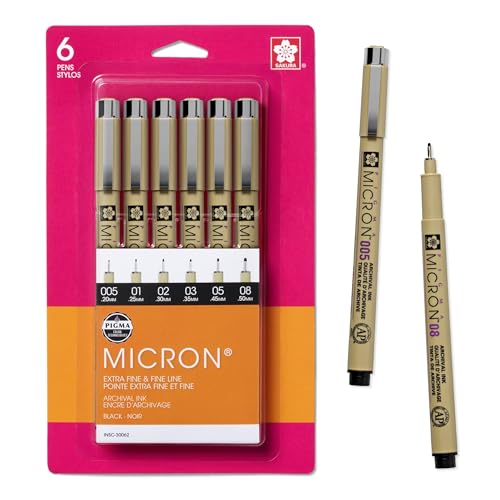

Pigma Micron pens utilize pigment-based ink that is chemically stable, waterproof, and fade-resistant. For knitters who keep detailed project journals or create labels that must survive a lifetime of heirloom use, this archival quality is indispensable.
The ink dries nearly instantly, preventing the smudging that often happens when a hasty hand brushes against a fresh note. Because the ink is pH-neutral, it will not degrade the delicate fibers of silk or wool labels over time.
While these pens are ideal for fine detail, they are not intended for heavy, saturated coloring on porous fabrics. If writing on thin cotton tape, maintain a light touch to prevent the ink from spreading along the threads.
Tombow Fudenosuke: Best for Modern Calligraphy

The Fudenosuke features an elastomer tip that allows for varied line widths based on the pressure applied. This is perfect for crafters who want to add an elegant, hand-lettered touch to gift tags for finished sweaters or scarves.
Consistency is the hallmark of this marker, offering a reliable flow that mimics a brush. It performs exceptionally well on smooth, non-textured surfaces like heavy-duty cardstock or smooth fabric labels.
Be mindful that the firm tip requires practice to master the transition between thick downstrokes and thin upstrokes. If the hand is heavy-handed, the tip may fray, resulting in inconsistent lines that distract from the professional finish of a hand-knitted garment.
Faber-Castell Pitt Pen: Most Versatile India Ink
Pitt pens use genuine India ink, which is renowned for its high lightfastness and permanent finish once dry. This is the gold standard for artists and crafters who require a robust, pigmented ink that stands up to environmental exposure.
These pens are available in a massive array of tip sizes, from ultra-fine points for writing tiny laundry instructions to brush tips for artistic flourishes. The ink is odorless, which is a welcome relief when working in a small, enclosed craft room.
Keep in mind that India ink can be slightly thicker than standard dye-based markers. Always recap tightly after use, as the pigment can settle or dry out within the nib if left exposed to air for even a short time.
Kuretake ZIG Calligraphy Pen: Best for Crisp Lines
The ZIG Calligraphy pen provides a sharp, rigid edge that creates perfectly defined, clean lines every time. This tool excels when writing on smaller labels where space is at a premium and legibility is the highest priority.
The dual-tip design offers two different widths, allowing for versatile layouts on a single tag. It is particularly effective for those who prefer a structured, classic look over the flowy, modern calligraphy style.
The ink is quick-drying, which is a major advantage when labeling a batch of finished socks during a busy knitting season. However, because the nib is hard, it is best used on flat, firm surfaces to avoid snagging on the fabric texture.
Staedtler Pigment Liner: Best for Technical Detail
When the task demands precision—such as marking gauge measurements or technical diagrams in a knitting notebook—the Staedtler Pigment Liner is the professional choice. The metal-clad tip is incredibly durable and maintains a precise line width throughout its life.
The ink is both waterproof and lightfast, ensuring that technical notes remain accurate even if they are stored in a knitting bag alongside damp blocking tools. It performs flawlessly on drafting paper and smooth fabrics alike.
Avoid using these pens on textured surfaces or loosely woven fabrics, as the very fine needle-like point can catch on individual fibers. Stick to smooth, tightly woven cotton labels for the best results.
Zebra Mildliner Brush: Best for Colorful Layouts
The Zebra Mildliner Brush offers a unique, muted color palette that is perfect for color-coding yarn stashes or highlighting specific rows in a complicated lace chart. The brush tip is soft and forgiving, making it easy to create gentle, watercolor-like effects.
While these are primarily artistic markers, they add a professional visual hierarchy to project notebooks. Use them to designate sections for “to-be-blocked” versus “ready-to-wear” items to keep a large queue organized.
Understand that these markers are water-based and not designed for permanent fabric labeling. Reserve them for paper-based planning and project journaling rather than for attaching to the garment itself.
Sharpie Pen Art Pen: Best Budget-Friendly Option
The Sharpie Art Pen is a reliable, no-nonsense tool that bridges the gap between a standard office pen and a professional artist marker. It utilizes a porous point that prevents the typical “Sharpie bleed” associated with the classic permanent marker.
It is an excellent choice for a “grab-and-go” marker to keep in a knitting kit. Because the ink is water-resistant, it holds up well on tags that might come into contact with occasional moisture.
Do not mistake this for the standard-issue broad-tip Sharpie, which contains harsh solvents that can bleed aggressively into natural fibers. Always verify the label explicitly states “Art Pen” to ensure the ink formula is appropriate for delicate textile surfaces.
How Paper Choice Affects Marker Ink Bleeding
The interaction between ink and surface is rarely solely the fault of the marker. High-absorbency paper, such as soft drawing paper, acts like a sponge and will pull ink outward, causing “feathering” where lines become fuzzy.
For the crispest lines, opt for bleed-proof paper or cardstock that has a tight, smooth finish. If you must use a standard notebook, perform a small test mark on the back page to see if the pigment travels through the fibers of the paper.
When in doubt, place a piece of scrap paper behind the page you are working on. This prevents ink from ruining the following pages in your project notebook, preserving your hard-earned knitting history.
Pigment vs. Dye Ink: Which Is Truly Bleed Proof?
Pigment-based inks consist of solid color particles suspended in a liquid, which sit on top of the surface. This makes them significantly more resistant to bleeding and fading, as they are not absorbed into the fiber structure.
Dye-based inks, conversely, are liquid-based and soak directly into the surface fibers. This absorption is exactly what causes bleeding, especially on porous surfaces like cotton fabric or cheap paper.
For any application involving long-term storage or contact with fabric, prioritize pigment-based markers. They offer the permanence that knitters need for labels that will be laundered repeatedly over the life of a garment.
Tips for Using Markers on Fabric Project Labels
When labeling fabric tags, always pre-wash the fabric to remove any sizing or factory chemicals that might repel ink. A clean, matte surface provides the best grip for the marker nib and ensures the ink sets properly into the weave.
Test your ink on a small, hidden corner of the fabric before committing to your final design. Let the ink cure for at least 24 hours before wetting or laundering the tag to allow the pigment to fully bond.
If you are concerned about ink migration, consider using a fine-tipped heat-set fabric pen. Following the manufacturer’s heat-setting instructions will lock the pigment into the textile, ensuring your label remains clear through every cycle of your machine.
Choosing the right marker is as essential as selecting the correct needle size for your gauge; the right tool simply makes the work better. Invest in quality pigment-based pens to ensure your hard work stays organized, labeled, and cherished for generations.