
7 Best Edible Glues For Sugar Paste For Sturdy Decor
Find the 7 best edible glues for sugar paste to keep your cake decorations secure. Read our expert guide now to choose the perfect adhesive for your projects.
Creating structural integrity in sugar paste work requires the same precision as selecting the perfect yarn weight for a complex lace shawl. Just as a heavy-gauge wool will distort a delicate pattern, the wrong adhesive can cause intricate sugar work to slump or melt before a project is finished. Choosing the right edible glue is a foundational skill that transforms simple fondant decorations into professional-grade masterpieces. This guide breaks down the industry’s most reliable bonding agents to ensure every detail stays exactly where it belongs.
Rainbow Dust Edible Glue: The All-Around Winner


Rainbow Dust Edible Glue functions much like a reliable, all-purpose acrylic yarn. It offers a balance of strength and flexibility, making it suitable for a wide variety of sugar paste applications without requiring specialized preparation.
This adhesive dries clear and maintains a firm grip, which is essential when attaching sugar paste to fondant-covered tiers. It does not leave unsightly residue, ensuring that the finish of the decoration remains pristine.
Consider this the “workhorse” of the decorating kit. It provides enough tack for most standard projects, much like a versatile worsted weight yarn provides the perfect balance of drape and structure for a standard sweater.
PME Brush & Fine Pen: Best for Precision Work
Precision is paramount when working with fine details, similar to grafting stitches in a complicated colorwork project. The PME Brush and Fine Pen system allows for pinpoint application, preventing excess glue from marring the surface of the sugar work.
The built-in applicator brush ensures that the glue is distributed exactly where it is needed. This level of control is vital for attaching delicate sugar flowers or tiny fondant beads that require minimal, exact points of contact.
When using tools with built-in applicators, avoid the common mistake of over-saturating the area. Just as applying too much tension to a delicate mohair yarn can cause it to snap, using too much glue will cause the sugar paste to dissolve or become slippery.
Wilton Edible Glue: Perfect for Beginner Bakers
Wilton Edible Glue is widely accessible and provides a predictable, user-friendly experience for those new to sugar craft. Much like a standard, smooth-ply wool, it is easy to handle and behaves consistently across various temperatures and humidity levels.
For those just starting their journey, the simplicity of this product is its greatest strength. It is formulated to be forgiving, allowing for slight adjustments before the bond sets completely.
While seasoned professionals might reach for faster-setting alternatives, this glue remains a staple for standard tasks. It is best used for basic assembly where the structural load is relatively low and the project complexity remains manageable.
Saracino Edible Glue: Ideal for Gumpaste Flowers
Saracino is the professional’s choice when working with high-tension elements like gumpaste petals and leaves. Its strength is reminiscent of a high-twist, durable sock yarn that holds its shape despite significant movement or environmental stress.
This glue dries quickly, which is essential when constructing petals that need to hold a specific curve while gravity tries to pull them downward. It provides a rigid bond that mimics the natural structural integrity of a live plant.
When working with thin gumpaste pieces, apply the glue sparingly to the very edge of the contact point. A little goes a long way, and excess moisture can cause delicate gumpaste to soften prematurely.
Sugarflair Edible Glue: For Heavy-Duty Structures
When constructing multi-tiered projects or heavy, three-dimensional toppers, a high-strength adhesive is non-negotiable. Sugarflair provides a robust bond that holds heavy fondant elements securely, much like using a sturdy cotton-linen blend for a structured tote bag.
This product is thicker than standard varieties, providing a more immediate tack. It serves as an excellent anchor for elements that might otherwise slide down the side of a smooth, fondant-covered cake.
Always test the structure’s balance before applying permanent glue. Just as one would check the drape of a heavy project on a dress form, ensure the sugar components are supported correctly while the glue sets to prevent sagging.
CK Products Edible Glue: The Best Budget Option
CK Products offers a reliable solution that delivers quality results without a premium price tag. Much like a value-oriented yet high-quality acrylic or wool blend, this glue proves that one does not need to overspend to achieve structural success.
The formula is effective for general light-to-medium assembly tasks. It is an excellent choice for bakers who go through large volumes of glue and need a dependable, cost-effective supply on hand.
While it may lack the rapid-setting properties of specialty high-end adhesives, its performance remains consistent for routine tasks. Use this for standard decorative work where high-velocity structural strength is not the primary requirement.
Chefmaster Edible Glue: Great for Large Projects
Chefmaster is designed for the scale required by large-scale cake decorating. Its consistency allows for broad, even coverage, making it ideal for tasks that require covering large surface areas with fondant or sugar sheets.
Because it provides a steady, reliable hold, it is a favorite for projects that involve extensive covering. Think of it as a gauge-friendly yarn that makes the process of knitting a large surface area predictable and efficient.
When working on large projects, keep a damp cloth nearby to wipe away any excess glue from the surface immediately. A clean workspace ensures that the final aesthetic is professional and free from sticky marks.
How to Choose the Right Edible Glue for Your Needs
Selecting the correct adhesive requires evaluating the weight of your decorations and the surface texture of the cake. Consider these primary factors before making your purchase:
- Weight of the decoration: Use high-tack glues for heavy, molded pieces and thinner glues for light sugar flowers.
- Setting time: Choose fast-setting glues for complex structures that cannot be propped up while drying.
- Visibility: Ensure the glue dries completely clear if it will be used near visible edges.
- Application method: Select systems with brushes or pens if your project involves intricate, small-scale work.
If you are working in a humid environment, opt for a quicker-setting formula to prevent the moisture in the air from compromising the bond. Much like selecting a more breathable fiber for a summer sweater, matching the product to the environment is key to long-term success.
DIY Edible Glue: When to Make It vs. When to Buy
Making edible glue at home using Tylose powder or gum tragacanth is a cost-effective alternative for high-volume decorators. It allows for the adjustment of thickness by adding varying amounts of water, similar to how one might customize a yarn blend by plying two different textures together.
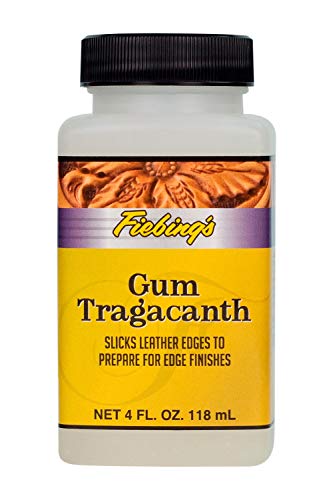
However, DIY solutions require accurate measurement and proper storage. If the ratio is off, the glue may become cloudy or fail to adhere properly, which is a risk when working on high-stakes projects like wedding cakes.
Buy premade glue when you need a perfectly consistent formula every time. Reserve the DIY approach for practice sessions or when you have mastered the precise chemistry of the mixture.
Pro Tips for Applying Glue for the Strongest Hold
The secret to a permanent bond lies in the application technique, not just the brand of glue. Always apply the smallest amount necessary to secure the piece; excess glue acts as a lubricant rather than an adhesive.
Allow the glue to become slightly “tacky” before attaching the decoration. Just as you would allow a fabric to settle after blocking before assembling the final garment, waiting a few seconds gives the adhesive the chance to develop its initial grip.
If the surface is too smooth, gently score the back of the sugar decoration with a clean toothpick to create a better anchor point. This simple step mimics the mechanical bond created by the friction of two textured yarns, resulting in a much stronger, more reliable hold.
Mastering the use of edible glue is the final step in ensuring your sugar art remains beautiful and secure. By choosing the right tool for the structural demands of your specific project, you guarantee that your work will stand the test of time, just like a well-crafted knitted heirloom. Experiment with these different adhesives to find the one that best suits your personal workflow. With a bit of practice, you will develop the intuition needed to select the perfect bond for any decorative challenge.