
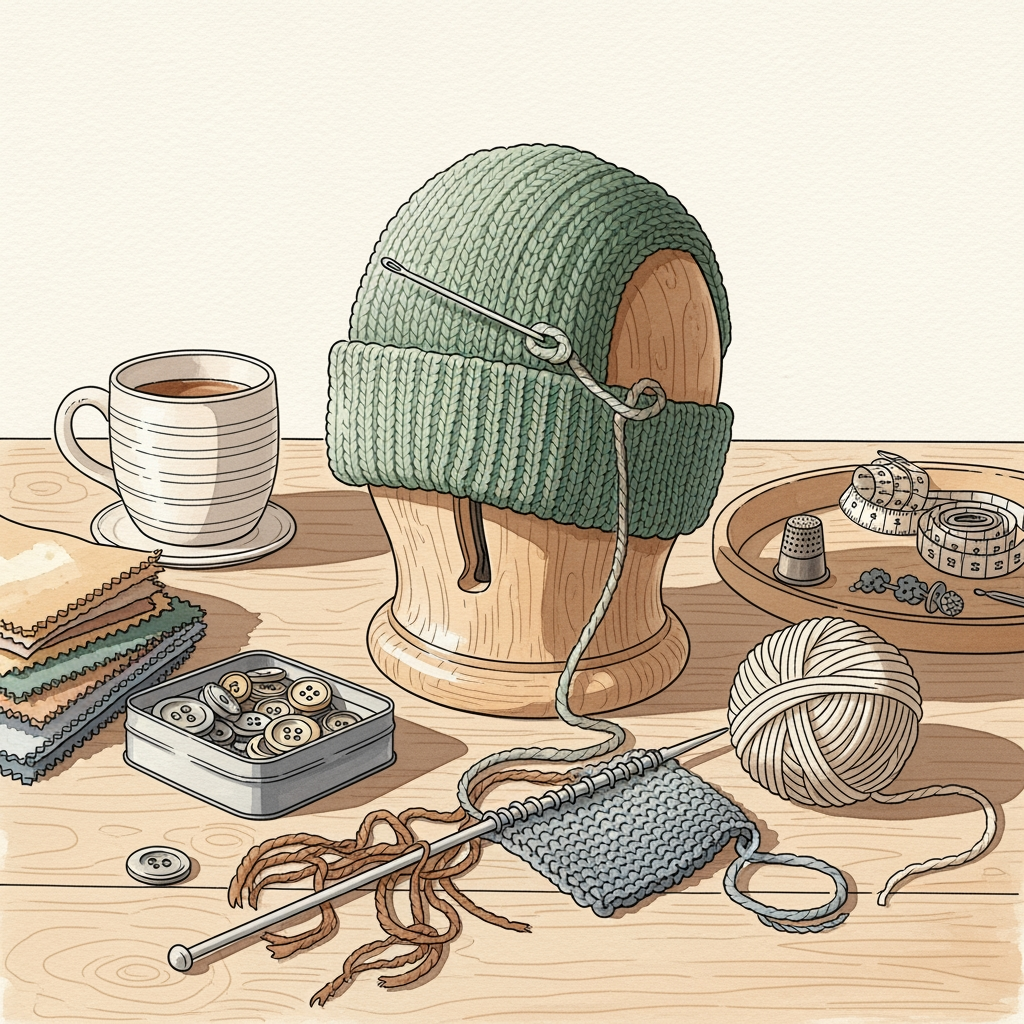
7 Best Display Heads For Product Photography To Consider
Elevate your imagery with our top 7 picks for the best display heads for product photography. Compare features and choose the perfect model for your studio today.
Selecting the perfect display head for your finished knitwear is as critical as choosing the right needle size for your gauge swatch. A high-quality presentation piece transforms a pile of soft yarn into a professional-looking garment that potential clients or friends can visualize wearing. Without the proper form, even the most intricate lace or perfect cabling can appear lifeless and distorted. This guide breaks down the essential display options to ensure your handiwork shines exactly as intended.
Realistic Female Mannequin Head: Best All-Around


A realistic female mannequin head offers the most professional aesthetic for photography, making it the industry standard for high-end craft boutiques and online shops. These forms typically feature life-like facial proportions that help the viewer grasp the true scale of a hat, cowl, or headband.
Because these models mimic human dimensions, they provide an accurate representation of how a beanie’s slouch or a headband’s tension will sit on a wearer. If you have spent weeks working on a complex brioche hat, placing it on a generic or oddly shaped form will only diminish the impact of your color transitions and stitch definition.
The downside is the price point and the potential for a “creepy” aesthetic if the finish is too synthetic. Opt for matte-finish models to avoid glare from studio lights or harsh camera flashes, which can distract from the texture of your wool.
Abstract Geometric Display Head: For Modern Knits
Abstract geometric heads are designed for the modern maker who wants to prioritize the knit structure over a literal human aesthetic. These forms lean into sharp angles and minimalist lines, making them perfect for showcasing trendy, architectural, or avant-garde knitwear designs.
For designers focusing on high-fashion beanies or metallic-infused yarns, these heads act as a neutral pedestal. They prevent the “human” element from clashing with the modern vibe of the garment, ensuring the focus remains squarely on the stitch patterns and fiber drape.
Be mindful that these heads often lack realistic ear indentations or jawline curves. If you are photographing earflaps or intricate brim detailing, double-check that the shape of the head doesn’t stretch or distort the brim unevenly.
Cork Canvas Block Head: For Blocking & Display
The cork canvas block head is the quintessential tool for any serious milliner or hat knitter. Because the material is porous and sturdy, you can pin your knits directly into the head to hold them in the perfect position for photography.
This is an invaluable advantage when dealing with delicate lace or cowls that need specific shaping to look their best. While other mannequin types merely hold the item, the canvas block allows you to manipulate the silhouette so every loop and cable is displayed to its full potential.
These heads are usually heavy and durable, providing a stable base that won’t tip over when styling heavier, chunkier wool projects. They are the most functional choice for makers who want to combine the utility of a blocking board with the aesthetic of a display stand.
Vintage-Style Glass Head: A Unique & Chic Option
Vintage-style glass heads add a touch of nostalgia and elegance to any product photo, particularly for items with a retro aesthetic. They catch light beautifully and add a sense of luxury to the presentation of your hand-dyed yarns or delicate silk-blended accessories.
However, glass is inherently slick, which can be a nuisance when trying to photograph lighter weight, silky garments. A hat might slide right off the smooth surface unless it is weighted or secured with a bit of hidden craft adhesive or a discreet pin.
Use these for social media styling or mood-board-style photography where atmosphere is just as important as the stitch count. They offer a refined, artistic look that separates your brand from the standard mannequin crowd.
Styrofoam Wig Head: The Ultimate Budget-Friendly Pick

The styrofoam wig head is the most accessible entry point for beginners and is often found in local beauty supply stores. They are lightweight, cheap, and very easy to transport, making them a practical choice for craft fairs where you need to move inventory frequently.
The primary drawback is the visual quality; the bumpy texture of the foam can often show through thin fabrics or light-colored yarns. If you decide to use one, consider wrapping it in a soft, neutral-colored jersey fabric to smooth out the surface and protect your delicate fibers from snagging on the foam.
While these are not the most durable or “high-end” looking options, they are excellent for practice photography. As your skill level grows, you can easily repurpose them for storing your finished inventory in your studio space.
Fiberglass Mannequin Head: The Most Realistic Look
Fiberglass heads provide a high-quality, durable alternative to plastic or foam, offering a smooth finish that looks exceptional on camera. These are favored by professional photographers because they are easy to clean, sturdy, and do not reflect light in an unflattering way.
They are ideal for showcasing premium materials like cashmere, silk, or angora, where the sheen and quality of the fiber are the main selling points. The weight of these heads ensures they remain stable even when styling heavier hats or draped cowls that require a bit of tugging and adjusting.
While they are more expensive, they represent a one-time investment for a serious maker. If you are building a professional brand, the longevity of a fiberglass model is well worth the initial expense.
Child-Sized Display Head: Perfect for Kid’s Knits
Never attempt to display a child’s hat on an adult-sized mannequin, as this will artificially stretch the fabric and distort the intended fit. A child-sized display head is non-negotiable if you specialize in baby blankets, toddler hats, or infant accessories.
These forms provide a proportional scale that helps parents visualize the sizing immediately. When photographing items for small children, the “cuteness factor” is significantly higher when the scale matches the intended wearer, creating a more professional and trustworthy brand image.
Look for models that feature realistic, soft facial features, as these tend to appeal more to the demographic shopping for children’s apparel. A small investment here ensures that your sizing communication is clear before a customer even reads the product description.
How to Choose the Right Display Head for Your Knits
- Consider the Scale: Always match the head size to your pattern’s finished circumference.
- Evaluate Texture: Choose a matte finish for glare-free photography and a smooth finish to prevent snagging delicate yarns like mohair.
- Assess Weight: If you knit heavy cabled sweaters or thick wool beanies, ensure the head is weighted enough to stay upright.
- Identify Your Brand Aesthetic: A modern, minimalist brand should opt for geometric shapes, while a rustic or heritage brand benefits from canvas or wood finishes.
Tips for Styling Hats and Cowls on a Mannequin
A common mistake is placing a hat flat on a head without considering the wearer’s perspective. Pull the brim down naturally, and if the hat has a slouch, gently tuck the extra fabric to create a soft, intentional drape rather than letting it droop lifelessly.
When styling cowls, treat them like a garment rather than an accessory. Drape them to show how they would sit on the neck, perhaps using a small amount of hidden tape or clips to hold the folds in place so they remain visible throughout the photoshoot.
Always ensure the stitch direction matches the natural flow of the head form. If you are photographing a hat with a colorwork motif, rotate it so the “star” of the pattern is positioned directly facing the camera lens.
Abstract vs. Realistic Heads: Which Is for You?
The choice between abstract and realistic often boils down to the intended audience. Realistic heads are excellent for helping customers understand fit, especially for those new to knitting who may worry about hat depth or ear coverage.
Abstract heads, conversely, are the choice of the design-forward maker who wants the photography to emphasize the art rather than the utility. They are less about showing “how this fits” and more about “how this looks as an object.”
Ultimately, the best approach is to identify your primary goal. If you are selling patterns, clarity and fit (realistic) take priority; if you are selling finished goods as a luxury product, atmosphere and style (abstract) might lead to better conversions.
With the right display head, your knitwear will cease to be a flat object and start to tell a story of texture, warmth, and craftsmanship. Take the time to consider how your specific fiber choices and patterns will interact with the material of your display, and you will undoubtedly see a transformation in the professionalism of your finished photos.

