6 Best Knitting Kits For Children To Start Learning
Help your child develop a creative new hobby with these 6 best knitting kits for children to start learning. Explore our top picks and begin your project today!
Learning to knit is a rite of passage that builds patience, dexterity, and a lifelong appreciation for textiles. While the process can seem daunting, starting with the right kit transforms frustration into a rewarding creative habit. These six selections cater to different learning styles, ensuring the transition from raw materials to finished fabric is as smooth as possible. Choosing the correct entry point is the difference between a child embracing a craft and abandoning it after the first dropped stitch.
Wool And The Gang Scarf Kit: Best for Teens
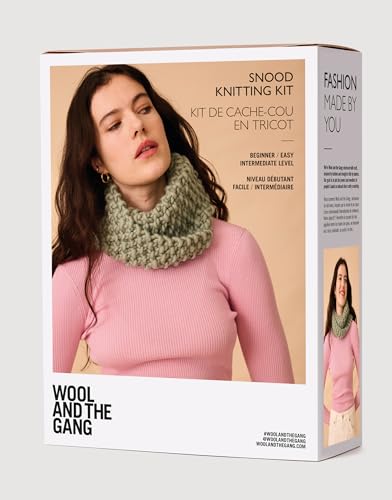

This kit serves as the bridge between simple craft projects and high-quality garment construction. It utilizes chunky, sustainably sourced wool that moves quickly under the needles, providing the instant gratification necessary for older beginners.
The inclusion of wooden needles is a deliberate choice here. Wood offers more friction than metal, which prevents stitches from sliding off the needle when a novice’s tension is still inconsistent.
If the goal is to create a wearable, stylish accessory rather than a toy, this is the superior option. The fiber quality ensures the resulting scarf will hold up to actual use, teaching teens the value of investing time in well-made objects.
Creativity for Knitters Knit Loom: Easiest Start
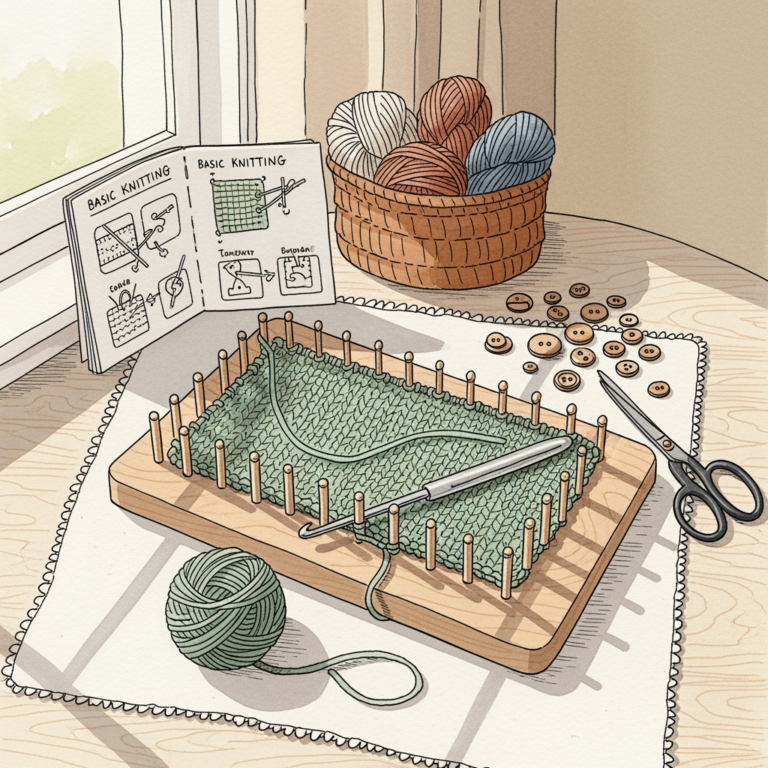
Loom knitting bypasses the complex muscle memory required to hold two needles and manage tension simultaneously. It is an excellent mechanism for children who struggle with fine motor coordination or get discouraged by the “fiddliness” of traditional knitting.
The mechanics rely on wrapping yarn around pegs and pulling the bottom loop over the top. This movement is repetitive and rhythmic, making it far less prone to the common “runaway stitch” issues that plague needle beginners.
While this doesn’t teach traditional needle knitting, it does teach the fundamentals of stitch structure and pattern counting. It remains the most effective way to introduce a child to the logic of fiber arts without the barrier of gauge management.
ALEX Toys DIY Knit & Wear: The Classic Choice
This kit occupies the middle ground by providing both needles and a loom, allowing a child to experiment with both styles. It is designed for variety, featuring accessories that encourage the wearer to actually use their creations.
The yarn weight included in these sets is generally light-to-medium, which is essential for learning. Thicker, bulkier yarns can hide mistakes, but a medium-weight acrylic allows a beginner to clearly see how a stitch is formed.
Focus on the learning outcome: if the child shows interest in complex textures, steer them toward the needles. If they prefer speed and simplicity, the loom will keep them engaged for hours.
Fun-Weevz My First Knitting Kit: Safest Pick
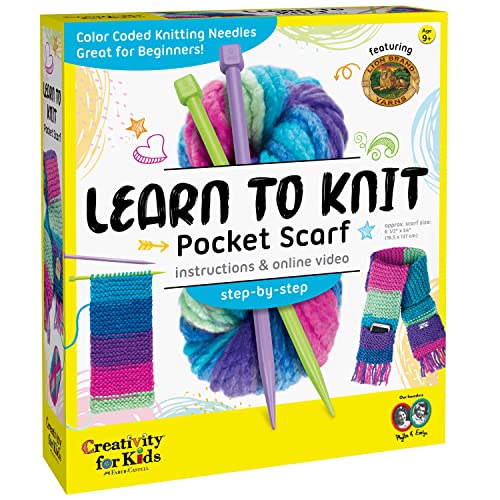
Safety often centers on the needle tips and the weight of the tools. This kit prioritizes rounded-tip needles, which significantly reduces the risk of accidental injury during the initial, clumsy phases of learning to hold the yarn.
Beyond physical safety, the inclusion of vibrant, high-contrast colors helps in visual tracking. A beginner must learn to look for the “V” shape of a knit stitch, and bright yarn makes these structural nuances much easier to identify.
Do not overlook the value of a carrying case or organized packaging. Learning to maintain tools is as much a part of the craft as the knitting itself, and this kit promotes good organizational habits from day one.
Open the Joy Learn to Knit: Best Instructions

Instructional clarity is the most common failure point in beginner kits. This kit excels by focusing on step-by-step visual guides that account for how children process spatial information.
When learning, the hardest part is often the “hand-eye coordination” of transferring the loop from one needle to the other. High-quality, clear diagrams are far more helpful than complex written patterns during these first hours.
If a child gets frustrated, it is rarely due to the yarn; it is usually due to a lack of visual reference for the next step. This kit minimizes that frustration by focusing on the “how” rather than just the “what.”
Craftabelle Creation Kit: Most Colorful Yarn
Fiber color is a powerful motivator for children. This kit provides a variety of bright, saturated yarns that make the project feel like a creative endeavor rather than a technical lesson.
The tradeoff here is often yarn texture. Synthetic blends, like those typically found in color-focused kits, are durable and easy to wash but lack the “memory” of natural wool.
Be aware that slippery synthetic fibers can be harder to keep on the needles. If the yarn feels too slick, keep the child’s project short to prevent the stitches from slipping off the ends while they practice their purls.
Needles vs. Looms: What’s Best for Kids?
Needles offer the full spectrum of knitting techniques, including lace, cables, and shaping. However, they require a higher degree of manual dexterity and a longer learning curve for tension control.
Looms are essentially mechanical helpers that ensure every stitch is identical in size. They are the clear winner for children under seven or those with limited fine motor control.
If you are unsure, consider the child’s personality. A child who loves puzzles and fine detail will likely prefer the challenge of needles, while a child who wants to see a scarf finished by the weekend will be much happier with a loom.
What to Look For in a Kid-Friendly Knit Kit
When shopping, prioritize the quality of the “tools” over the quantity of the “extras.” A kit with cheap, plastic-coated needles that bend or warp will make the experience miserable.
Look for these specific features: * Needle Material: Bamboo or wood provides grip; plastic or metal is for experienced, faster knitters. * Yarn Weight: Worsted or chunky weight is best for beginners. Avoid fingering or lace weights entirely. * Fiber Blend: Acrylics are easy to care for and cheap to replace; wool/acrylic blends provide better texture and warmth. * Visual Aids: Check if the kit includes a QR code or link to video tutorials, which are often more effective than static images.
Safety First: Tips for Knitting with Children
Knitting is inherently safe, but the tools are pointed. Always ensure children have a designated “sew-in” space where they aren’t bumping elbows with others.
Keep needles organized in a case rather than loose in a drawer. If the child is young, blunt-tip needles are a non-negotiable starting point, even if they make the process slightly slower.
Lastly, supervise the use of scissors for cutting yarn. Encourage the child to “measure” their yarn length using their wingspan rather than relying on scissors for every minor trim, which reduces the need for sharp tools.
Beyond the Kit: Your Child’s Next Easy Project
Once the kit is mastered, the goal should be to maintain momentum with a simple, low-stakes project. A garter stitch headband or a basic square coaster are ideal next steps.

These projects teach how to “bind off,” which is the final, often forgotten skill in knitting. Finishing a project is essential for building the confidence needed to tackle more complex techniques like picking up stitches or changing colors.
Remember to keep the sessions short and fun. A successful knitter is built on consistent, positive sessions rather than long, grueling hours of practice.
Whether the journey begins with a plastic loom or wooden needles, the foundation of knitting is the same: one loop at a time. By selecting a kit that matches the child’s motor skills and patience level, you provide them with a lifelong tool for creativity. Start simple, keep the instructions clear, and let the process remain a joy rather than a chore. With the right tools in hand, the barrier to entry is lower than ever.