6 Best Puzzle Savers For Unfinished Projects That Work
Keep your progress secure with these 6 best puzzle savers for unfinished projects. Compare top-rated mats and storage systems to find the perfect fit today.
Every knitter knows the sinking feeling of discovering a dropped stitch after a project has been stuffed into a bag. Projects often live in transition for weeks, and protecting those live loops from migrating off the needles is a critical step in preserving your work. While makeshift solutions like scrap yarn or rubber bands are common, dedicated tools offer significantly better security. Investing in reliable keepers ensures that your hard work remains intact until the very last bind-off.


The Knitting Barber Cords: For Trying On Garments
The Knitting Barber Cords offer a brilliant alternative to traditional point protectors, especially when a project needs to be tested for fit. These hollow, flexible silicone cords are designed to be threaded onto your needle tips and then pulled through your work. By transferring your stitches onto the cord, you essentially turn your project into a circular loop that can be easily tried on without the bulk of the needles.
This technique is invaluable for sweaters or cowls where assessing length and drape is essential before committing to the final rows. The silicone has just enough natural tack to hold stitches securely without the risk of the cord sliding off unexpectedly. It effectively turns any pair of circular or straight needles into a flexible, customizable stitch holder.
When using these, it is essential to choose the correct thickness for your needle size to ensure a smooth transition. If the cord is too small, it may be difficult to slide; if it is too large, it may distort your stitches. For best results, keep the cord ends tucked away safely so they do not snag on delicate fibers like mohair or single-ply wool.
Cocoknits Stitch Stoppers: A Colorful Solution
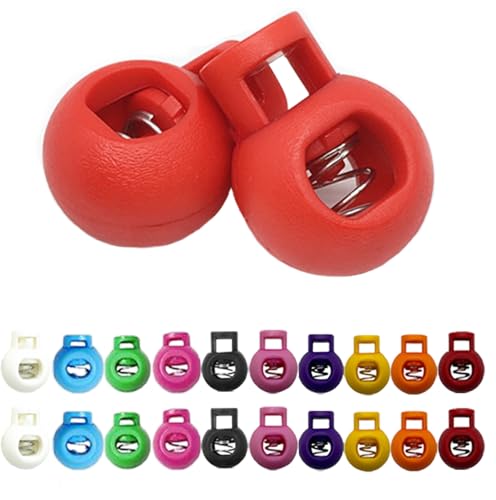
Cocoknits Stitch Stoppers provide a sleek, minimalist way to secure needle tips when stepping away from a project. These rubberized caps are designed to slide snugly over the ends of circular or straight needles, preventing stitches from slipping off during storage. They are particularly effective because they grip the needle surface firmly, ensuring that even slippery stainless steel or polished wood needles remain capped.
The design is intentionally simple and avoids the bulky, often unwieldy shape of traditional point protectors. Because they come in different sizes to match various needle gauges, they offer a tailored fit that minimizes strain on the needle tips. Their vibrant, matte-finish colors also make them easy to spot inside a dark project bag.
However, they are most effective when the needle is not overly slick, as very smooth nickel-plated needles can occasionally work a cap loose if the bag is jostled. If you are working on a project with a very high stitch count, these stoppers provide the peace of mind needed to stow the project away for days at a time.
Clover Point Protectors: A Budget-Friendly Classic
Clover Point Protectors remain a staple in many knitting kits precisely because they are simple, functional, and widely accessible. These soft, rubberized caps come in various shapes and sizes, often including a convenient “point” that helps secure needles of varying diameters. Their primary strength lies in their versatility and the reliable grip they provide across a wide range of materials, from carbon fiber to bamboo.
The classic design features a small hole or slit, allowing them to slide over the ends of needles effortlessly. For those who frequently work on multiple projects simultaneously, having a stock of these is a cost-effective way to secure every WIP. They are especially useful for straight needles, which are more prone to stitches sliding off when tossed into a craft bin.
One common misconception is that all point protectors are universal. While many are designed to be flexible, attempting to stretch a small protector onto a large needle can eventually cause the rubber to split. Always select the size that corresponds to your needle diameter for the longest product life.
ChiaoGoo Twist Shortie Caps: For IC Needle Sets
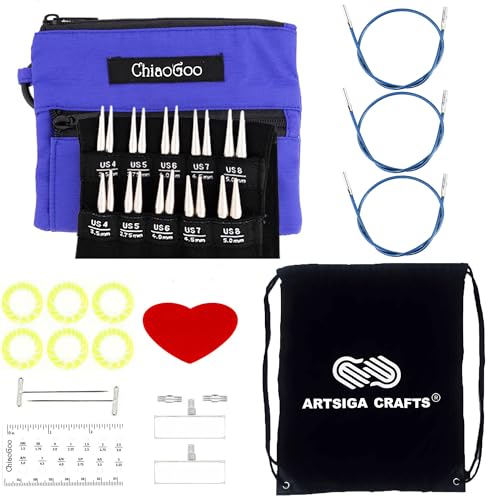
ChiaoGoo Twist Shortie Caps are engineered specifically for the precision and mechanics of interchangeable needle systems. When you are using short tips, especially for projects like socks or sleeves worked in the round, these caps screw directly onto the needle cable. This creates a secure, screw-lock seal that is far more reliable than a simple slip-on rubber cap.
Because they utilize the same threading mechanism as the interchangeable cables, there is no risk of the stopper falling off in your bag. This is a game-changer for knitters who use high-end sets and want to ensure their needles are protected when not in use. They effectively convert your interchangeable cables into dedicated stitch holders.
While they are highly secure, they do require you to own the matching needle set, as they are not cross-compatible with other brands. They are a professional-grade solution for those who prioritize security and are already invested in the ChiaoGoo ecosystem.
Tom Bihn DPN Cozy: Best for Double-Pointed Needles
Double-pointed needles (DPNs) present a unique challenge because the project is distributed across three or four needles, all of which are prone to sliding out. The Tom Bihn DPN Cozy acts as a protective sleeve that holds the entire assembly of needles together. Instead of capping each end individually, you insert your needles into this fabric container, which prevents them from poking through your bag.
This tool is particularly useful for delicate lace or stranded colorwork where keeping track of multiple needles is stressful. The fabric design also protects the tips of wooden or resin needles from accidental damage or snapping. It is a soft, durable solution that keeps your needles and stitches consolidated in one place.
If you are working on a long, thin project like a glove finger or a sock, ensure the cozy is long enough to fully encase the needles. When used correctly, it eliminates the “porcupine effect” often associated with carrying DPN projects, making them significantly more portable.
Erin Lane Bags Needle Cozies: For Total Security
Erin Lane Bags Needle Cozies offer a fabric-based approach that prioritizes protection for the entire needle rather than just the tips. These long, slender pouches are specifically designed to hold straight needles or circular needles in a way that keeps them from becoming bent or tangled. They essentially act as a secure envelope for your needles, preventing them from catching on the lining of your project bag.
This is an excellent option for those who use luxury wooden needles that are prone to splintering if they knock against other hard objects. The fabric provides a soft buffer, while the secure closure ensures that nothing falls out during travel. It is a highly aesthetic and practical way to manage the storage of your most delicate tools.
Unlike caps, these cozies protect the entire length of the needle, which is vital for long-term storage. When you are ready to knit again, your needles will be exactly as you left them, free from nicks or stress-induced warps.
Choosing a Saver: Circulars, Straights, or DPNs?
Selecting the right saver depends entirely on your choice of needles. For circulars, cord-based systems or screw-on caps provide the most security because they follow the flow of the cable. Straight needles require robust tip protectors that won’t easily slide off if the needles are moved.
DPNs are the most demanding, as they require a method to keep multiple needles aligned and organized. If you are working on small-diameter projects, prioritize tools that bundle the needles together. Conversely, for large, heavy projects on circulars, focus on stoppers that can handle the weight of the yarn without slipping.
Consider the material of your needles as well. Slick, metal needles often require tighter-fitting or screw-on stoppers to remain secure, while grippy bamboo needles can often be managed with simpler, friction-based protectors. Always test the security of the fit before leaving a project unattended for long periods.
Cords vs. Stoppers: Which Is Right for Your Task?
Cords are superior for active, ongoing projects, especially when you need to try on a garment or transport a project without the bulk of the needles. They allow the work to drape naturally and prevent stitches from becoming stretched or distorted by rigid needle tips. Use them when you want to minimize the footprint of your project in your bag.
Stoppers are better for stationary storage or when you are frequently picking up and putting down your knitting. They provide an instant, “set it and forget it” solution that doesn’t require threading yarn through a cord. Choose stoppers for quick breaks and cords for long-term storage or testing for fit.
Ultimately, having both in your kit is the hallmark of a prepared knitter. Use stoppers for daily convenience and keep a set of cords handy for when the project needs to go into hibernation or be tried on for size.
How to Safely Store a Project Long-Term
Long-term storage requires more than just stopping the stitches from falling; it requires protection for the fiber itself. Always store your project in a breathable bag—cotton or linen are ideal—to prevent moisture buildup and mold. If you must store your project for several months, ensure the yarn is clean, as residual skin oils can attract pests like moths.
Avoid using tight plastic bags, which can trap humidity and encourage fiber degradation, especially with natural wools. Keep your project in a cool, dark place, away from direct sunlight, which can fade vibrant colors over time. Ensuring the weight of the project is supported within the bag will also prevent the yarn from becoming overly stretched or misshapen.
Finally, keep your needles and your project together in the same bag to avoid losing components. A labeled tag on the bag detailing the needle size and pattern can save you immense frustration when you finally decide to pick the project back up. Organization is the ultimate insurance policy for your finished objects.
Traveling With Your WIP: A Quick Safety Checklist
When traveling with a project, security is the primary goal. Use a high-quality stopper or cord to ensure your live stitches are locked in place before the project goes into your carry-on. If you are flying, check local regulations regarding needle materials, as some security checkpoints may view specific types of needles as potential hazards.
Pack your project in a bag with a dedicated, secure closure like a zipper or a snap to prevent items from falling out during transit. Avoid placing heavy items like books or electronics directly on top of your needles, as this can cause them to bend or snap, even when protected by caps.
Always carry a small “emergency kit” in your bag containing a crochet hook for dropped stitches, a few extra point protectors, and a measuring tape. By following these simple steps, you can ensure your project reaches its destination in the same condition it left your craft room.
Effective project management is the secret to maintaining momentum in knitting. By choosing the right savers and storage methods, you eliminate the anxiety of potential unraveling and keep your creative process flowing smoothly. Whether you prefer the simplicity of a cap or the utility of a cord, having the right tools on hand allows you to focus entirely on the joy of the craft.