6 Ball Winders For Creating Center Pull Yarn Cakes
Ready to streamline your knitting projects? Discover our top 6 ball winders for creating perfect center pull yarn cakes. Click here to find your ideal tool today.
There is little more frustrating than the slow, tangled disaster of knitting directly from a hand-wound ball of yarn. Converting hanks into center-pull cakes prevents the dreaded “yarn barf” and keeps your gauge consistent by allowing the yarn to feed smoothly. A high-quality ball winder is not just a luxury; it is an essential tool for protecting the integrity of expensive fibers. Selecting the right model depends on the volume of yarn handled and the frequency of winding sessions.
Knit Picks Yarn Winder: The Best All-Around Value
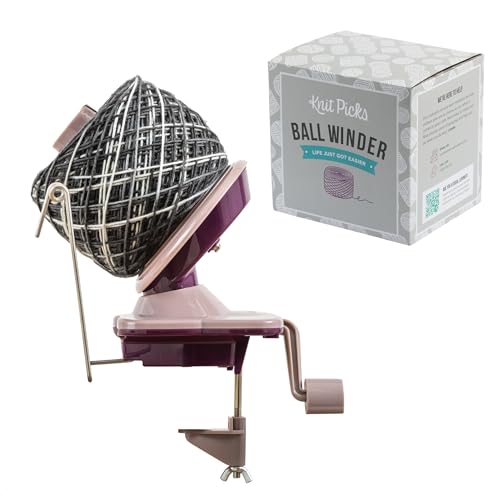

The Knit Picks ball winder is the quintessential entry point for most knitters. It strikes a balance between accessibility and functionality, making it ideal for those who regularly process standard sock or worsted-weight yarns.
This device features a reliable, simple gear mechanism that handles light-to-medium tension well. It creates a cake size perfectly suited for projects like hats or a pair of standard-sized mittens.
While it lacks the heavy-duty metal components of professional-grade winders, its plastic construction is surprisingly resilient for home use. It is the perfect choice for the knitter who wants to organize their stash without investing in industrial equipment.
Stanwood Large Winder: Best for Bulky Skeins

Bulky, roving-style yarns or massive 200-gram hanks require a wider footprint and a stronger spindle. The Stanwood Large Winder is designed specifically to accommodate these higher yardage requirements without stalling.
Its robust gear system handles thick fibers with ease, preventing the common issue where heavy yarn causes smaller winders to slip or jump. The larger base provides necessary stability when winding dense, heavy cakes.
If the fiber stash leans toward chunky weight or hand-spun art yarns, this is the most logical investment. It minimizes the time spent stopping to clear tangles or repositioning the yarn during the winding process.
U-nitt Metal Ball Winder: Our Most Durable Pick
For the dedicated knitter who winds yarn multiple times a week, a metal winder offers superior longevity over plastic alternatives. The U-nitt Metal Ball Winder is built to withstand high-torque usage and years of repeated wear.
The primary advantage here is the reduction of plastic fatigue in the gears. Since the internal components are metal, there is significantly less chance of teeth stripping or the winder becoming noisy over time.
This tool is an excellent choice for knitters who frequently process delicate fibers like lace-weight alpaca or slippery silk blends. The metal construction ensures a consistent, smooth rotation that protects these fragile materials from sudden snaps or pulls.
Lamxd Yarn Winder: A Solid Budget-Friendly Choice

Not every project requires a high-capacity, heavy-duty machine. The Lamxd winder serves the needs of knitters on a budget who primarily handle small-batch leftovers or basic acrylic skeins.
Its compact design makes it incredibly easy to store in a small craft bag or drawer between uses. It occupies minimal desk space, which is a major advantage for knitters working in shared living areas.
While it may not handle massive, heavy-duty hanks as gracefully as the professional models, it performs basic winding duties reliably. It is a practical starter tool for those just beginning to transition away from winding yarn by hand.
Lacis Jumbo Winder: The Heavy-Duty Powerhouse
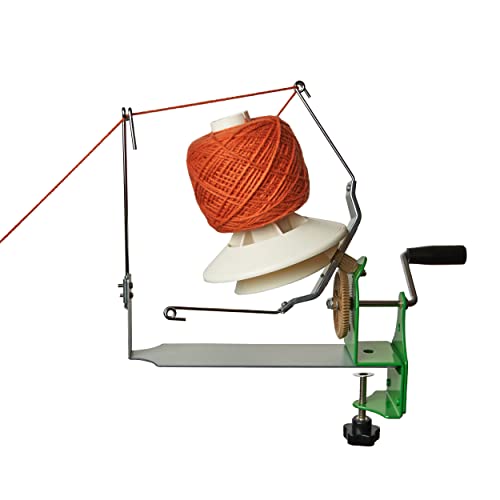
The Lacis Jumbo Winder is designed for the serious fiber enthusiast or those working with significant quantities of lace weight that requires a huge cake. This model is engineered to handle massive amounts of yarn in a single go.
The structure is intentionally heavy and steady, preventing the machine from walking across the table during use. It accommodates bulky, multi-strand cones that would simply overwhelm a standard-sized winder.
Investing in a jumbo winder is a long-term play for the prolific knitter. If you find yourself needing to re-wind multiple large skeins for a complex multi-color sweater project, the time saved by the large capacity is substantial.
Stanwood Electric Winder: For Effortless Winding
Hand-cranking can be taxing, especially when processing large stashes or dealing with physical limitations like carpal tunnel or arthritis. The Stanwood Electric Winder removes the manual labor entirely.
This device offers a consistent speed, which results in a much tighter, uniform cake compared to manual winding. It allows the knitter to monitor the yarn for knots or breaks while the machine does the heavy lifting.
While it requires a dedicated space and an electrical outlet, the convenience is unmatched for those who manage high-volume knitting projects. It represents the pinnacle of efficiency for the busy, modern crafter.
How to Choose the Right Ball Winder for You
Choosing a winder requires an honest assessment of your current stash and knitting habits. Begin by looking at the weight and yardage of the fibers you buy most often.
- Occasional Winder: If you only wind yarn once a month, a standard plastic winder is perfectly sufficient.
- High-Volume Knitter: If you process full skeins for large blankets or sweaters, invest in a metal or jumbo model to avoid frequent gear failure.
- Physical Comfort: If manual cranking causes fatigue, look into electric options to preserve your wrists for the actual knitting.
Ultimately, the best winder is the one that prevents you from dreading the prep work. If the setup process is too cumbersome, the yarn will stay in the hank, and the project will remain unstarted.
Do You Really Need a Yarn Swift? (Yes, You Do)
A winder without a swift is a recipe for heartbreak and tangled yarn. A yarn swift holds the hank in a circular loop, allowing it to spin freely while the winder pulls the strand.
Attempting to wind a hank off the back of a chair or your knees almost guarantees a “yarn barf” scenario. A swift keeps the yarn under light, consistent tension, which prevents the yarn from stretching or becoming snarled during the transfer.
Consider the swift and winder as a pair of non-negotiable tools. If you are going to invest in one to make your knitting life easier, the other is required to make the first one functional.
Tips for Winding the Perfect Center-Pull Cake
Winding is not a race; speed often leads to uneven tension and cakes that collapse mid-knit. Start by winding slowly to ensure the yarn is feeding off the swift without catching on any knots or ties.
Maintain light tension by letting the yarn flow through your fingers before it enters the winder’s guide. This helps identify any hidden tangles in the hank before they get pulled tight into the center of the cake.
When the cake is finished, pull the tail out of the center and tuck the outer end under a strand to keep it secure. A properly wound cake should feel firm to the touch but not so tight that the yarn loses its natural bounce.
Troubleshooting Common Winder Woes and Yarn Barf
Yarn barf—the situation where the center pull comes out as a giant, knotted clump—usually happens because of erratic tension or over-winding. If the cake is wound too loosely, the center core is unstable and will fall out as a knot.
If the yarn catches, stop immediately and check the swift. Most tangles occur because a twist was missed in the hank or the yarn snagged on a chair arm.
Regularly clean the gears of your winder with a soft cloth to remove dust and stray fibers. A small drop of machine oil on the spindle shaft can also work wonders if the winder begins to squeak or resist turning.
Mastering the use of a yarn winder transforms your fiber arts experience from a chore into a seamless part of your creative flow. By choosing the right tool for your specific volume and physical needs, you protect your materials and reclaim time better spent at the needles. Whether you opt for a compact manual model or a powerful electric unit, the consistency you achieve will be reflected in the professional quality of your finished garments.