7 Best Stuffing Storage Bins For Craft Rooms To Organize
Tired of messy supplies? Discover the 7 best stuffing storage bins for craft rooms to organize your materials efficiently. Shop our top picks and declutter now!
Fiberfill and stuffing materials often become the neglected stepchildren of the craft room, shoved into plastic bags or left to drift across shelves. Yet, maintaining the loft and cleanliness of polyester fiberfill, wool roving, or down-alternative stuffing is essential for the structure of amigurumi, plush toys, and pillows. Properly stored materials ensure that your next project doesn’t suffer from lumpy, dust-ridden, or flattened fill that compromises the final shape. Investing in the right containment system prevents fiber degradation and keeps a workspace clear for delicate fiber arts. These seven storage solutions provide the necessary balance between protection, accessibility, and footprint management.
STERILITE ClearView Latch Box: Best Overall


Standard latch boxes provide the perfect middle ground for protecting stuffing from dust, moisture, and curious pets. The clear plastic design allows for an immediate visual assessment of how much fiberfill remains, preventing the “I thought I had enough” panic during a late-night stuffing session.
The locking latch mechanism is particularly reliable for keeping the container sealed tightly. This security is vital for wool-based stuffings or organic fibers that can attract pests like moths if left exposed in an open basket.
Because these boxes come in various sizes, they can accommodate everything from a single bag of polyester stuffing to a multi-pound haul of high-quality wool batting. Stackability allows for vertical organization, keeping craft rooms from becoming overwhelmed by bulky, lightweight bags.
Ziploc Space Bags: Best for Bulk Compression
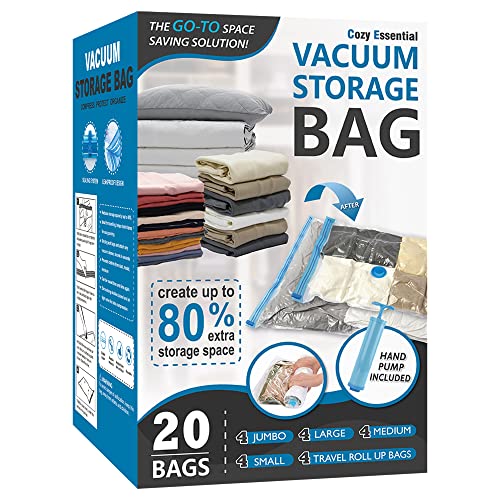
Compression bags are the undisputed champions for the knitter or toy-maker who buys fiberfill in massive, multi-pound quantities. By vacuum-sealing the air out, you can reduce the physical volume of a ten-pound bag of poly-fil to the size of a couch cushion.
This method is incredibly efficient for reclaiming space in small studio apartments or shared craft rooms. However, use caution with high-end, delicate fibers like alpaca or cashmere scraps kept for stuffing; extreme compression over long periods can sometimes mat natural fibers.
Always ensure the fibers are completely dry before sealing, as any trapped moisture will become a breeding ground for mildew. These bags are best reserved for long-term storage of bulk surplus rather than materials used on a weekly basis.
Goodpick Large Woven Basket: Best for Display

For the craft room that doubles as a living area, aesthetic storage is a practical necessity rather than a vanity. Woven baskets add warmth and texture to the room, hiding the industrial look of plastic bags while keeping stuffing within arm’s reach.
Cotton rope baskets offer a soft structure that won’t snag delicate lace projects or wool yarn if placed nearby. Because they lack a rigid lid, they are best suited for stuffing that is used frequently, ensuring a quick grab-and-go experience during construction.
Keep in mind that open baskets do not provide a sealed barrier against dust. If you live in a dusty environment or have pets, consider draping a clean fabric square over the top to keep the fiberfill pristine and allergen-free.
Amazon Basics Collapsible Fabric Bins: Budget Pick
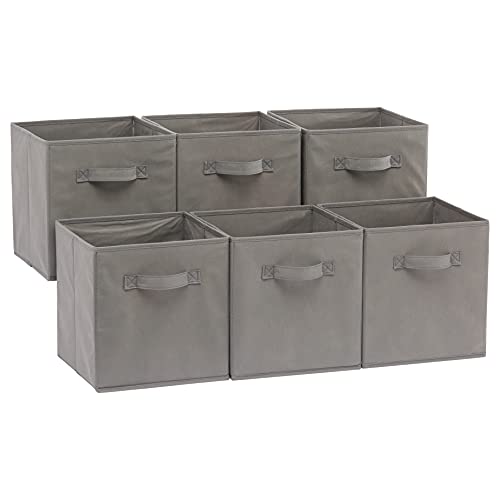
Collapsible fabric bins offer a flexible, low-cost solution for those just beginning their collection of stuffings. They fit perfectly on standard bookshelves or cube storage units, making them an excellent choice for organizing by fiber type or density.
The lightweight nature of these bins means they can be easily shuffled around as project needs change. However, they lack the structural integrity of hard plastic, meaning they can become floppy if overstuffed or if the contents are particularly dense.
If you choose these for fiberfill, consider lining the interior with a plastic bag to ensure the fiber doesn’t catch on the fabric weave. This simple step makes it easier to remove large handfuls of stuffing without leaving behind stray bits of lint.
IRIS USA Underbed Storage Box: For Small Spaces
The space beneath a craft table or cutting station is prime real estate that is often left ignored. Underbed boxes utilize this “dead zone,” providing a low-profile home for large amounts of stuffing that doesn’t need to be accessed daily.
The inclusion of wheels on many models makes it simple to slide the bin out for a project and tuck it away once finished. This is ideal for bulk polyester batting that would otherwise dominate shelf space meant for yarn stash or fabric bolts.
Ensure the box has a secure locking lid to prevent dust accumulation on the floor from migrating into the stuffing. These are particularly useful for those who alternate between knitting, sewing, and soft-sculpture making and need to rotate supplies.
Honey-Can-Do 3-Tier Rolling Cart: Most Versatile
Rolling carts transform into mobile stuffing stations that can travel from the cutting table to the sewing machine. The vertical design maximizes space while keeping materials categorized by density or material type on different levels.
This is the preferred setup for makers who work on multiple projects simultaneously. One level can hold poly-fil, another can hold wool roving for needle felting, and a third can hold sewing tools or templates, keeping the workspace highly organized.
Because the unit is open-air, ensure it is placed away from direct sunlight, which can discolor synthetic fibers or degrade natural materials over time. Its mobility makes it a favorite for those who move between different rooms to find the best natural light for finishing work.
The Container Store Sweater Box: Best for Stacking
Clear sweater boxes offer a professional, high-clarity view of stored materials, which is perfect for distinguishing between different types of stuffing density. High-density stuffing for structured toys and low-loft batting for quilts can be clearly labeled and stacked.
The reinforced corners on high-quality sweater boxes prevent bowing when stacked, protecting the fibers inside. They are deep enough to hold significant volume without feeling cavernous or unmanageable.
These are an investment compared to basic bins, but they offer superior durability for long-term organization. For the dedicated crafter who views their fiber arts as a long-term pursuit, the uniformity of these boxes creates an efficient and clean studio environment.
How to Choose the Right Stuffing Storage for You
Selecting the right storage depends entirely on the volume of materials and the frequency of use. If you are a high-volume amigurumi maker, go for vacuum-sealed bags for surplus and a small, accessible bin for current project needs.
Consider the environment of your craft room as well. Climate control and dust levels play a massive role in how you should store fiber; moisture-prone areas require hard-shell, airtight plastic, while dry, clean rooms can handle fabric or woven options.
Finally, evaluate your workflow. If you prefer to have all materials visible and accessible, choose clear, stackable bins. If you prefer a clean, minimalist aesthetic, prioritize bins that hide the contents while fitting neatly into existing furniture.
Compressing Stuffing: Pros, Cons, and Best Bins
Compression is a double-edged sword for fiber arts. It saves space, but it can permanently alter the loft and spring of synthetic fibers if left for too long. If you must compress, use it for long-term storage of materials you do not plan to use for at least six months.
Synthetic fibers, such as polyester poly-fil, recover their shape well after compression, provided they are shaken out and allowed to “breathe” for a few hours before use. Natural fibers, like wool or cotton, may become matted and lose their original fluffiness if packed too tightly.
When using compression bags, always check that the seal is airtight. A pinhole leak can allow humidity to enter, which could compromise the structure of your filling and make it prone to clumping when eventually used in a project.
Keeping Your Fiberfill Fresh, Clean, and Fluffy
Stuffing is essentially a sponge for household debris, pet hair, and environmental dust. Always keep your bins closed; even a small amount of lint or dust trapped inside a toy can become an allergen trap for the recipient.
If your stash has been stored for a long time, take it out and give it a thorough “fluffing” by pulling the fibers apart with your hands. This re-introduces air into the material, which is critical for achieving a professional, smooth finish on stuffed items.
Avoid storing stuffing in areas with temperature extremes, such as attics or garages. Heat can cause synthetic fibers to melt or fuse, while cold and damp conditions can encourage mold, rendering the entire supply unusable for future projects.
By selecting storage that respects the unique needs of your chosen fiber, you ensure that every project starts with clean, airy, and high-quality materials. Whether you prioritize deep-storage compression or accessible desktop organization, the right bin creates a foundation for better, more consistent results in every stitch.