6 Best Preservation Sprays For Color Longevity
Keep your artwork and photos vibrant for years. Discover the 6 best preservation sprays for color longevity and protect your projects today with our expert guide.
Spending hundreds of hours on a stranded colorwork sweater or a delicate lace shawl means the final piece is an investment of time, patience, and resources. Natural fibers and hand-dyed yarns are notoriously susceptible to fading, bleeding, and environmental wear that can ruin the vibrancy of a project within a single season. Preservation sprays act as a final, protective barrier, extending the lifespan of the work and ensuring that colors remain as sharp as they were on the needles. Choosing the right product requires balancing the specific fiber content of the project with the intended use of the finished garment.
Scotchgard Fabric Protector: Best All-Purpose


Scotchgard is the industry standard for general textile protection, particularly for finished items that face daily wear. It excels at creating a hydrophobic barrier, meaning it repels liquids before they can settle into the fibers and cause staining or color degradation.
For a finished knitted accessory like a wool-blend scarf or a pair of felted mittens, this spray provides a baseline of protection against moisture and dirt. It does not alter the feel of the knit significantly, making it a reliable choice for everyday items where maintaining a soft hand is essential.
However, recognize that this is a surface treatment rather than a deep fiber fixative. It protects against external spills and grime, but it does not prevent color bleeding from the inside out during a wash cycle.
Retayne Color Fixative: For Hand-Dyed Yarns

If the primary concern is the bleeding of deep, saturated colors in hand-dyed yarns, Retayne is the industry gold standard. Unlike a spray, this is typically used as a soak during the blocking or finishing phase to lock pigment into the fiber molecules.
This product is indispensable when working with high-contrast colorwork, such as a black-and-white gansey or an intricate Fair Isle pattern. By chemically binding the dye to the fiber, it prevents the darker colors from migrating into the lighter ones during the inevitable first wash.
Be aware that this process requires careful timing and warm water temperatures to activate effectively. While it creates a permanent bond, it does not provide any UV protection or exterior water resistance for the finished piece.
Ray & Rain UV Protectant: Top Outdoor Choice
Knitted items destined for outdoor wear, such as garden hats or summer cotton market bags, face constant exposure to harsh sunlight. Ray & Rain is specifically engineered to filter UV radiation, which is the primary culprit behind the gradual bleaching of natural fibers.
By blocking the sun’s rays, this spray prevents the fibers from becoming brittle and keeps the colors from shifting into muted, washed-out tones. It is particularly useful for plant-based fibers like linen, hemp, and cotton, which are more prone to sun-bleaching than animal proteins.
It should be applied once the piece is fully blocked and dried. Periodic reapplication is necessary if the item spends extended periods in direct, intense sunlight throughout the year.
ForceField UV SunBlock: Maximum Sun Defense
ForceField UV SunBlock takes the concept of light protection a step further with an advanced formula designed for high-performance textiles. It acts as a shield, scattering UV light to ensure the pigment density remains consistent even in bright conditions.
This is the preferred choice for items like window-hanging lace curtains or decorative knitted wall art. Because these pieces remain stationary in high-light areas, they are at the highest risk for uneven fading over time.
While it is robust, ensure the fabric is completely clean and free of any finishing oils before application. Applying it to a dirty or dusty surface will trap the particulates underneath the protective layer, making them nearly impossible to clean later.
Grangers UV Protector: For Technical Fibers
Technical fibers—such as synthetic wool alternatives, nylon-blend sock yarns, or performance athletic knits—require different care than traditional organic fibers. Grangers UV Protector is designed for these synthetic surfaces, offering a finish that doesn’t compromise the moisture-wicking capabilities of the garment.
For knitters crafting hiking socks or outdoor performance gear, this is the ideal solution. It protects the integrity of the fibers without clogging the interstitial spaces between stitches that allow air to circulate and sweat to evaporate.
Avoid using heavy waxes or standard sprays on these garments, as they will cause the item to lose its “breathability.” Grangers maintains the structural performance of the yarn while ensuring the color stays vivid through repeated cycles of hiking, washing, and wearing.
Dharma Colorfast Fixative: Pro-Level Results
Dharma Colorfast Fixative is a professional-grade additive, often used by independent dyers, that is equally effective in the hands of the dedicated hobbyist. When used during the finishing of a project, it ensures maximum dye uptake and long-term color stability.
This product works by creating a chemical bridge between the dye and the fiber, which is especially effective for cotton and silk projects. It is an excellent preventative measure for projects involving vibrant, highly reactive dyes that might otherwise lose intensity over time.
Because it is a concentrated chemical solution, strict adherence to the manufacturer’s instructions is required. It is best suited for those who are willing to spend extra time during the final blocking phase to ensure long-term, professional-grade results.
How to Pick the Right Spray for Your Project
Selecting the right product begins with an honest assessment of the fiber and the end use. Use this framework to narrow the search:
- For Everyday Wear: If the goal is general stain and moisture protection, choose a versatile, all-purpose spray like Scotchgard.
- For High-Contrast Colorwork: If the yarn is hand-dyed and prone to bleeding, use a chemical fixative like Retayne during the first wash.
- For Outdoor Accessories: To prevent sunlight from bleaching out your hard work, reach for a UV-specific spray like Ray & Rain.
- For Performance Fibers: If the item involves nylon or synthetic blends for athletic use, stick to technical fiber protectors like Grangers.
Always prioritize the fiber content first. Animal fibers like wool and alpaca respond differently to chemical treatments than plant-based fibers, so check the label for fiber-specific compatibility before spraying the entire project.
Applying Sprays Safely for Best Results
Application is just as important as product selection. Always work in a well-ventilated area, preferably outdoors, to avoid inhaling fine mist particles that can irritate the lungs.
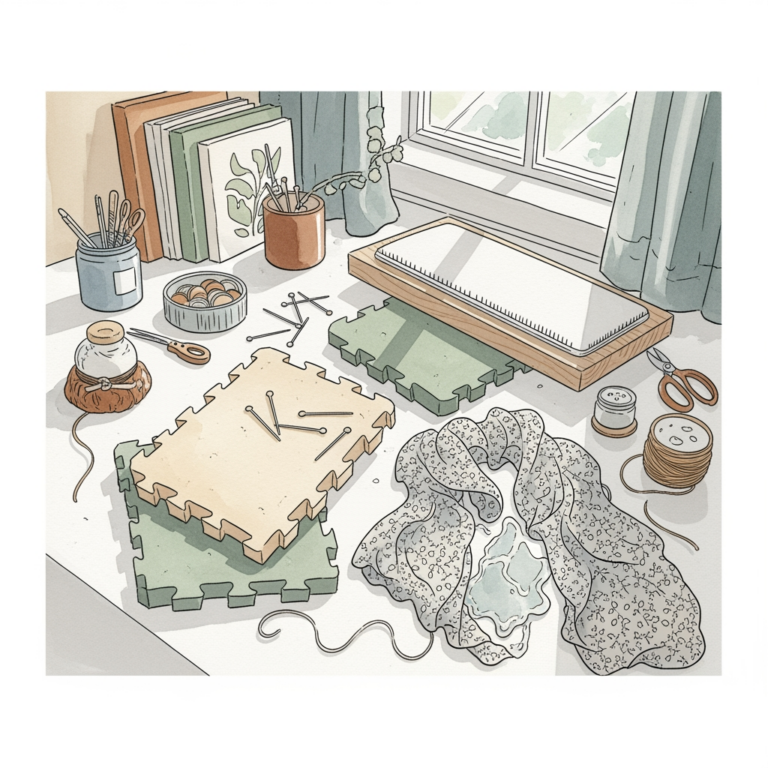
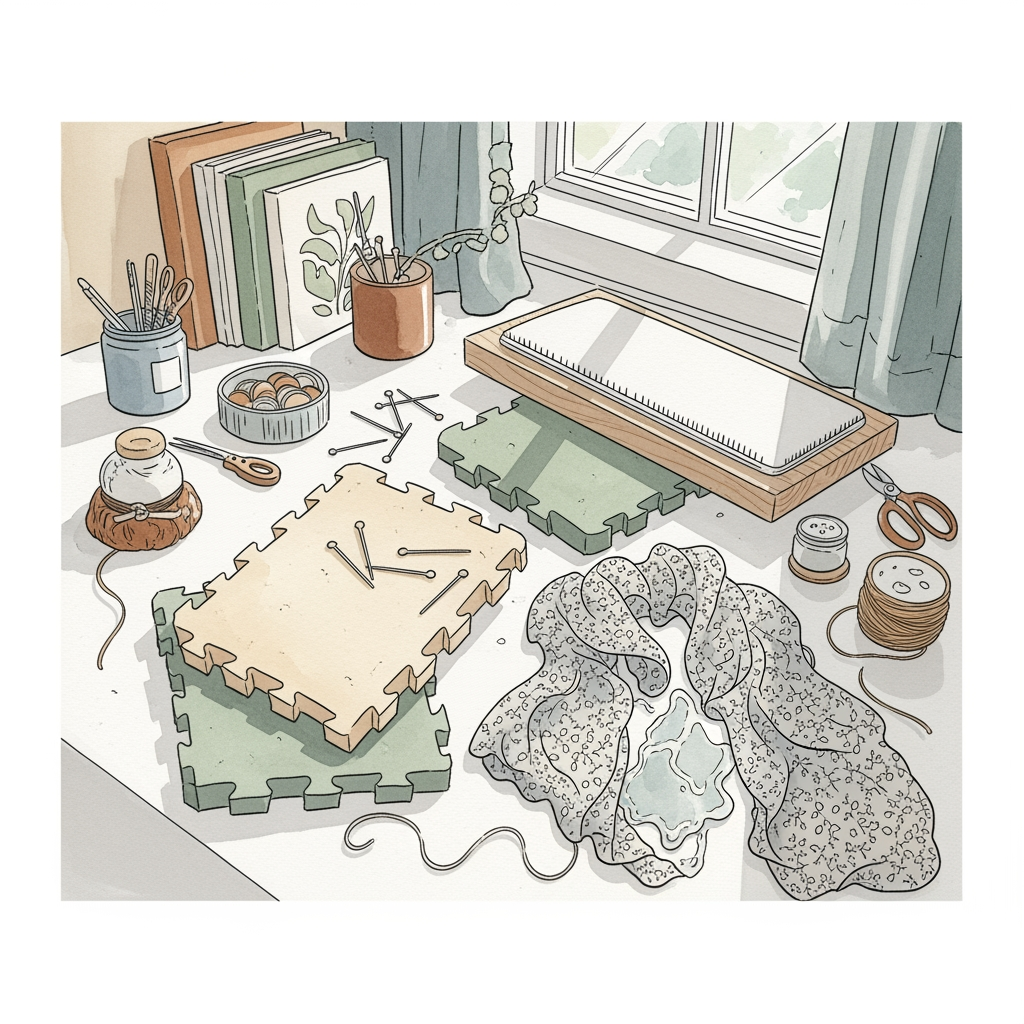
Lay the finished piece flat on a clean, moisture-wicking surface like a blocking mat. Hold the spray canister at least 8 to 12 inches away from the surface to ensure an even, light mist rather than a concentrated, soaking blast.
Apply the spray in thin, consistent layers, allowing each one to dry completely before applying the next. Saturating the fabric all at once will lead to clumping, spotting, or a stiff, unnatural texture that ruins the drape of the knit.
Fixative vs. UV Blocker: Know the Difference
Confusion often arises between fixatives and UV blockers, yet they serve entirely different roles in the preservation process. Fixatives are typically liquid solutions used during the wash or soak stage to anchor the dye molecules to the yarn structure.
UV blockers are surface treatments applied after the project is finished and dry, designed to sit on top of the fibers to reflect or absorb light. One is for chemical stability during cleaning, while the other is for physical protection against environmental decay.
Do not use one as a substitute for the other. Using a UV spray will not stop a yarn from bleeding during a wash, and a fixative soak will offer zero protection against the damaging effects of the sun.
Will Sprays Change How Your Fabric Feels?
A common fear among knitters is that a protective spray will leave the fabric feeling “crusty” or stiff. This usually happens when too much product is applied or when the spray is not suited for the specific fiber content.
Most high-quality sprays are formulated to be invisible and odorless once cured, but natural fibers like merino or cashmere are sensitive to surface coatings. If a project relies on a delicate drape, always test the spray on a small swatch—preferably the one used to determine gauge—to see how it affects the hand and movement of the fabric.
If a slight change in texture is detected, the best approach is to reduce the volume of the application and focus on very light, uniform coats. Protecting a project is a balancing act between longevity and the tactile joy that makes knitting such a rewarding pursuit.
Proper maintenance through the right protective treatments will ensure that every stitch remains a testament to the effort invested. Choose products based on the specific needs of the fiber and the environmental challenges the finished piece will encounter. With these tools, those hours of work stay as vibrant as the day the project was cast off.