6 Best Craft Station Mats For Protecting Work Surfaces
Keep your workspace pristine with our top 6 picks for craft station mats. Discover the perfect durable surface for your projects and shop our recommendations now.
A dedicated workspace is just as vital as high-quality wool or precision-machined needles. When blocking lace or cutting fabric for a quilt backing, the surface underneath dictates the accuracy of every snip and measurement. Protecting a table from rotary blades or adhesive sprays is a non-negotiable step in maintaining a professional crafting environment. Choosing the right mat transforms a cluttered table into a reliable, dedicated station for intricate fiber projects.
OLFA Gridded Cutting Mat: Best for Quilters


The OLFA mat remains a gold standard for those who demand absolute precision when squaring up fabric blocks. Its signature green surface is specifically designed to resist cuts from rotary blades, allowing for repeated passes without creating deep grooves that could snag delicate materials.
For the fiber artist, the grid layout is invaluable for tasks beyond sewing. It acts as a perfect geometric guide when pinning out wet-blocked squares or measuring the stretch of a swatch. The lines are crisp, clear, and durable enough to withstand years of regular use.
Consider that these mats are heavy and intended for flat, stable surfaces. Because they are not foldable, storage requires dedicated space where the mat can lie completely horizontal to prevent warping.
Dritz Cutting Mat: Best for Rotary Cutting

Dritz mats are favored by makers who prioritize a surface that “heals” quickly after each rotary blade stroke. This material density is essential when working with dense, multi-layered fabrics that require significant downward pressure to slice cleanly.
The grid markings are printed with high-contrast ink, which is particularly helpful when eyesight or lighting conditions are less than perfect. If you are trimming edges on a bulky knitted piece or cutting felt for appliqué, the visibility ensures you stay on the straight and narrow.
Be aware that these mats can be sensitive to extreme temperature shifts. Storing them near a heat source or in direct sunlight will cause the material to ripple, ruining the flat surface necessary for accurate measurements.
Cricut Self-Healing Mat: For Die-Cut Crafters
While engineered for digital cutting machines, the Cricut mat offers a unique multi-purpose utility. The adhesive quality of the surface is designed to hold materials in place, which is an interesting benefit when working with slippery, fine-gauge silks or loose-weave cottons that tend to slide around.
These mats are exceptionally thin compared to traditional quilting mats. They are ideal for crafters who have limited desk real estate and need a surface that can be easily tucked away under a notebook or pattern binder.
Do not expect the same heavy-duty longevity as a thick quilter’s mat. These are best utilized for lighter cutting tasks or as a workspace protector during intricate hand-sewing or needle-felting sessions.
Mod Podge Silicone Mat: Best for Messy Crafts
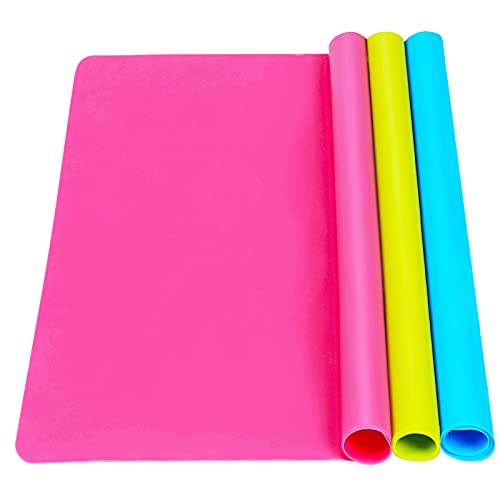
Adhesives, fabric stiffeners, and water-based dyes can turn a standard craft table into a disaster zone. The Mod Podge silicone mat is impervious to these liquid hazards, providing a non-porous barrier that keeps stains off expensive wooden tables.
This mat is incredibly easy to clean, as dried glue usually peels off in a single sheet. For knitters who frequently use fabric glue for finishing seams or applying non-slip grips to the soles of knitted socks, this surface is essential.
Silicone is soft and heat-resistant, which is a major advantage if using a steam iron or a small heat press nearby. However, keep in mind that silicone is not designed for cutting; a sharp blade will slice through the material instantly and permanently.
L-ONE Large Self-Healing Mat: Most Durable
If the craft room sees heavy, daily traffic, the L-ONE mat provides a robust solution. Its composition is firmer than many competitors, offering a sturdy resistance that prevents the blade from skipping during long, continuous cuts.
The durability here extends to the printed markings. Many mats lose their grid lines after years of friction, but this option maintains its legibility much longer. For the long-term maker, this is a “buy it once” investment that holds up to the demands of a high-volume workshop.
Because of its size and weight, it is not a portable solution. This mat is best suited for a permanent, dedicated sewing or project table where it can remain undisturbed.
Anezus Silicone Sheet Set: Best Budget Pick
The Anezus set offers a versatile, low-cost way to cover a large work area. Because these are flexible silicone sheets, they can be layered to accommodate different project sizes, making them perfect for crafters who transition between small embroidery tasks and larger textile layouts.
These sheets are heat resistant, meaning they can function as a makeshift ironing surface for blocking small swatches. The grip provided by the silicone is excellent for keeping needles and notions from rolling away while working.
Do not mistake these for cutting mats. They are designed for protection and heat resistance rather than edge stability. Use them alongside a dedicated cutting board to achieve the best results.
How to Pick the Right Craft Mat for Your Projects
Choosing the right mat requires a clear understanding of the project at hand. A quilter needs a rigid, grid-heavy surface, while a sewer working with fine fabrics might prefer a non-slip silicone mat to keep pieces from shifting.
- Size: Always measure the available workspace. A mat that hangs over the edge of a table will eventually warp.
- Cutting vs. Protecting: Decide if the primary goal is to provide a sacrificial layer for blades or to prevent spills and stains.
- Storage: Can the space support a permanent setup, or must the mat be stored away? Rigid mats require flat storage, while silicone can be rolled.
Always prioritize the specific demands of the craft. If you are doing heavy rotary cutting, do not compromise with a thin sheet; if you are working with messy adhesives, do not use an expensive, porous cutting mat that will absorb the spill.
Self-Healing vs. Silicone Mats: Which to Choose?
Self-healing mats are made of multiple layers of compressed material that “close” after a cut. They provide the structural support needed for precision measuring and blade work, but they are generally not heat-resistant and can be damaged by heavy glue or paint.
Silicone mats offer chemical resistance and heat protection. They are soft, pliable, and ideal for messy tasks or as a non-slip base for detailed handwork. However, they lack the hardness required to support a craft blade and will fail if used as a primary cutting surface.
The most versatile craft rooms often feature both. Use a silicone mat as a base for protection and organization, and layer a self-healing mat on top only when the project requires precise cutting or measuring.
Keeping Your Craft Mat Clean and Flat for Life
Maintenance is simple but essential for longevity. Never leave a mat in a hot car or near a radiator, as heat is the primary cause of permanent warping. If a mat does begin to curl, placing it on a flat, sun-warmed floor for a few hours can often help it settle back into place.
For cleaning, avoid harsh chemical solvents that can degrade the surface of self-healing mats. A gentle mixture of water and a drop of dish soap is usually sufficient. Use a soft sponge to remove fiber dust and debris from the grooves of the mat to ensure the grid remains visible and the blade continues to cut cleanly.
If the surface feels “slick” or begins to show heavy blade wear, avoid the urge to scrub with abrasive pads. A light wipe-down is enough to restore grip without damaging the surface texture.
What to Look for in a Quality Craft Station Mat
A quality mat is defined by its consistency. Look for a surface that is uniform in thickness throughout; any thin spots or bumps will translate into uneven pressure when cutting or blocking.
The grid printing should be accurate and crisp. Test the grid with a metal ruler if possible to ensure the markings align perfectly, as even a slight deviation can throw off complex patterns. Finally, consider the odor of the mat; while some manufacturing scent is normal, extremely strong chemical odors that persist for weeks often indicate lower-quality materials that may crack or crumble prematurely.
Invest in a brand that offers a clear warranty or a reputation for lasting quality. A professional-grade mat is a tool that, when properly maintained, will serve your craft for years of heavy use.
Finding the perfect balance between surface protection and cutting precision is the mark of a seasoned maker. By selecting a mat that aligns with your specific fiber arts needs, you ensure your workspace remains a site of productivity rather than frustration.