7 Best Protective End Caps For Organizing Knitting Needles
Keep your yarn projects safe and organized with our guide to the 7 best protective end caps for knitting needles. Click here to find your perfect fit today!
Every knitter knows the sinking feeling of pulling a project from a bag only to find half the stitches have slipped off the needles. Lost stitches aren’t just a nuisance; they can ruin delicate lace patterns or cause laddering in complex colorwork projects. Proper end caps provide the peace of mind necessary to toss a project into a tote bag without a second thought. Choosing the right tool depends entirely on needle material, weight, and the specific needs of the project at hand.
Clover Point Protectors: The Classic Choice


Clover point protectors are the industry standard for a reason. These tulip-shaped silicone caps are designed to fit a wide range of needle sizes, gripping the tips firmly to prevent stitches from sliding off during storage or transport.
The soft, pliable nature of the material ensures they won’t damage delicate wooden or carbon fiber needle tips. They come in two sizes—small and large—which covers almost any standard knitting needle diameter.
The primary tradeoff is that they can sometimes be stiff to press onto thicker needles. When working with larger gauge needles, expect a snug fit that requires a bit of force, which can be difficult for those with limited hand strength.
Cocoknits Stitch Stoppers: For Interchangeables
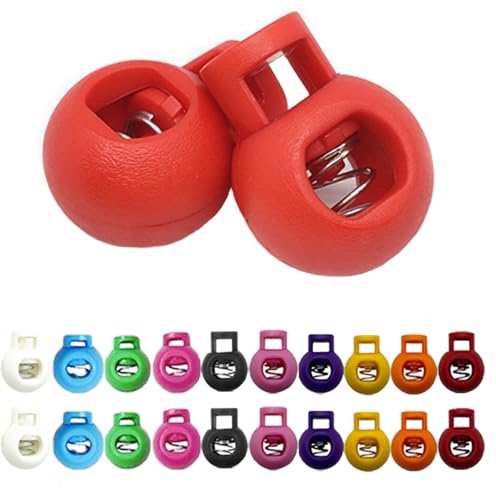
Cocoknits stitch stoppers represent the gold standard for those who favor interchangeable needle sets. These silicone caps feature a unique, slightly concave shape that allows them to push onto the needle tip while also serving as a makeshift needle gauge for smaller diameters.
Because they are made from high-quality silicone, they offer a superior grip on slick metal needles. They stay securely in place even when a project is jostled inside a project bag.
While they are excellent for metal, be cautious when using them on bamboo needles. The friction between the silicone and wood can occasionally be too high, making them difficult to remove without pulling on the needle cord.
Bryspun Knit Knacks: A Versatile Multi-Tool
Bryspun Knit Knacks offer more than just basic protection. This clever accessory includes a built-in needle gauge and a magnifying glass, making it an essential companion for knitters working with fine-gauge yarn or complex charts.
The design is particularly useful for travel knitters who want to minimize the number of tools carried. It functions as a point protector, a gauge, and an emergency stitch holder all in one compact unit.
However, the rigid plastic construction is not as forgiving as silicone. It works best on standardized needle sizes and may not accommodate oversized or non-traditional needle shapes.
The Knitting Barber Cords: A Clever Alternative
The Knitting Barber Cords offer an entirely different approach to project security. Instead of capping the points, these hollow silicone tubes attach to the needle tip and allow the knitter to slide the entire project onto the cord for safe storage.
This is the ultimate solution for trying on a garment while it is still on the needles. The cord is flexible, soft, and completely eliminates the risk of points poking through project bags.
These are not traditional end caps, but they solve the same problem with greater utility. They are essential for any knitter working on top-down sweaters or long circular projects.
Susan Bates Knit-Chek: For Sizing & Securing
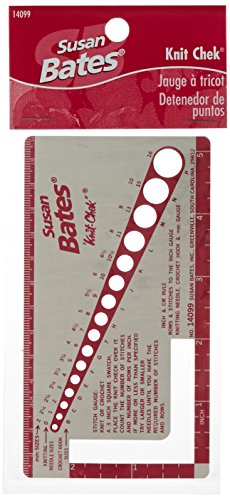
The Susan Bates Knit-Chek is a legacy tool that remains relevant in modern knitting kits. While primarily marketed as a needle sizing gauge, the circular cutouts act as a perfect, hard-shell stop for needles of all materials.
It is indestructible and offers a quick visual check of needle size. For those who frequently switch between projects, having a dedicated gauge that doubles as a stop ensures the needle size is always clear.
The downside is that it is not as “snug” as a silicone cap. A loose needle tip can still wobble within the sizing hole, meaning it is better for stationary storage than for tossing into a busy bag.
Lantern Moon Sheep Stoppers: A Charming Splurge
Lantern Moon Sheep Stoppers are the aesthetic choice for the knitter who appreciates fine craftsmanship. Carved from fine wood and finished to be exceptionally smooth, these caps are beautiful to look at and a pleasure to hold.
Beyond their beauty, they are weighted just enough to keep needles from rolling off a table. They are a functional luxury that protects the tips of expensive heirloom needles without the risk of plastic degradation over time.
They are, however, limited in size compatibility. They work best with specific needle diameters and should not be forced onto needles they aren’t designed to fit, as the wood can split under pressure.
Generic Silicone Caps: Fun and Affordable Pick
Generic silicone end caps are the budget-friendly workhorse of the knitting world. These usually come in bulk packs of varied sizes and bright colors, making them easy to spot at the bottom of a dark knitting bag.
They perform exactly as expected: they grip the tip, stay on, and protect the project. For beginners who are still acquiring their needle collection, these represent the best value-per-dollar investment.
The main drawback is material consistency. Some cheaper silicone caps can attract dust, lint, and pet hair, which then transfers to the needle tip. Occasional washing in warm, soapy water is required to maintain their grip.
What to Look For in a Knitting Needle End Cap
When selecting an end cap, prioritize material compatibility above all else. Silicone is generally safer for wood and bamboo, as it provides a gentle grip without abrasion.
Consider the portability of the cap relative to the project. If a project is intended for travel, a low-profile, “sticky” cap is superior to a bulky or decorative one.
Finally, think about accessibility. If hand strength or dexterity is a concern, avoid rigid plastic options that require a tight squeeze. Choose soft, flexible silicone that slides on with minimal effort.
How to Match End Cap Size to Your Knitting Needle
Sizing is the most common point of frustration for new knitters. Most caps are labeled by the range of millimeters they accommodate; always check the mm size of your needle rather than just the US number.
If a needle falls between two sizes, always opt for the smaller cap. A slightly tighter fit ensures the cap won’t slip off, especially on slick metal needles.
Be aware that certain luxury needle brands have tapered tips that may not seat perfectly in standard caps. If the needle tip is very sharp, a soft cap might eventually get punctured, indicating it is time to replace the cap or use a harder plastic protector.
More Than Just Protection: Clever End Cap Uses
Beyond securing stitches, end caps serve as an improvised “stitch holder” for trial fittings. By pushing the knitting onto a longer cord and capping the ends, you can wear your work-in-progress to check the fit.
End caps can also be used to mark different needle sizes in a project bag if you are working with multiple circulars of the same material. Use different colors to represent different diameters so you never have to guess.
Finally, consider keeping a pair of caps in your sewing kit. They are excellent for keeping sewing pins organized or protecting the tips of fine-point scissors during transport.
The right end cap is a small but vital investment in the longevity of your knitting projects. By selecting a tool that matches your needle material and your specific storage habits, you eliminate one of the most common causes of knitwear accidents. Whether opting for the simplicity of silicone or the beauty of carved wood, remember that a secure project is a project that is more likely to be finished.