6 Best Archival Ink Refills For Long Term Preservation
Protect your documents with our top 6 archival ink refills for long-term preservation. Discover the best archival-grade options to keep your writing fade-proof.
Every knitter eventually faces the challenge of documenting their work, whether it is tagging hand-dyed skeins, labeling heirloom quilts, or marking pattern notes that must last for decades. Archival quality isn’t just a buzzword for paper crafters; it is a necessity for anyone investing hundreds of hours into fiber arts. When ink bleeds, fades, or destroys delicate fibers over time, the history of a project is lost. Selecting the right archival ink ensures that your creative legacy remains legible and intact.
Sakura Pigma Micron: Best for Fine Detail Labels
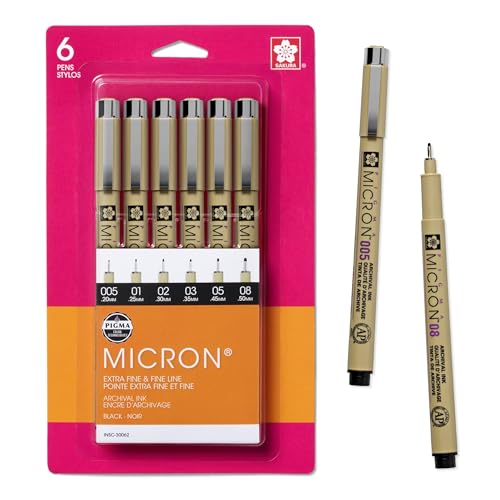

The Sakura Pigma Micron is the gold standard for precision when labeling thin cotton ribbon or silk care tags. Its pigment-based ink provides a clean, crisp line that does not feather, even on loosely woven textiles.
For knitters creating intricate garments with fine-gauge yarn, the ability to write a tiny, legible fiber content tag is invaluable. The 005 or 01 sizes allow for microscopic notation without the ink bleeding into the surrounding threads. Because the ink is pH-neutral, it won’t weaken or yellow delicate natural fibers over time.
While excellent for labels, this ink is not designed for heavy-duty saturation. It is a surface-level tool best reserved for information that needs to be seen but not felt.
Copic Multiliner SP Refill: The Reusable Option

Copic Multiliner SP pens feature an aluminum body that feels substantial in the hand, much like a high-end crochet hook. The refillable nature of these pens makes them a sustainable choice for makers who label hundreds of skeins annually.
These pens utilize pigment ink that is waterproof and resistant to light degradation once dry. This is critical for knitters who store their yarn in various environments, as moisture and humidity can easily ruin standard ballpoint markings.
Refilling the pen is a straightforward process, though it requires a steady hand. If you consistently label your stash by weight, yarn base, and dye lot, this investment pays for itself quickly compared to purchasing disposable markers.
Tsukineko VersaFine Clair: Top Pick for Stamping
When applying a custom logo to a fabric patch or a linen project bag, the Tsukineko VersaFine Clair is unmatched. It is an oil-based pigment ink that captures exceptionally fine detail, which is essential when a stamp contains small text or delicate motifs.
Unlike water-based inks that sit on the surface and risk smudging during blocking, this ink dries rapidly to a matte finish. It bonds well to porous materials like cotton canvas, linen, and even some wool blends.
Because it is oil-based, it resists water once fully set, preventing accidental blurring if the project gets wet. Always test on a scrap piece of your specific fabric, as the drying time can vary slightly depending on the fiber’s absorbency.
Noodler’s Black Ink: Best for Fountain Pen Notes
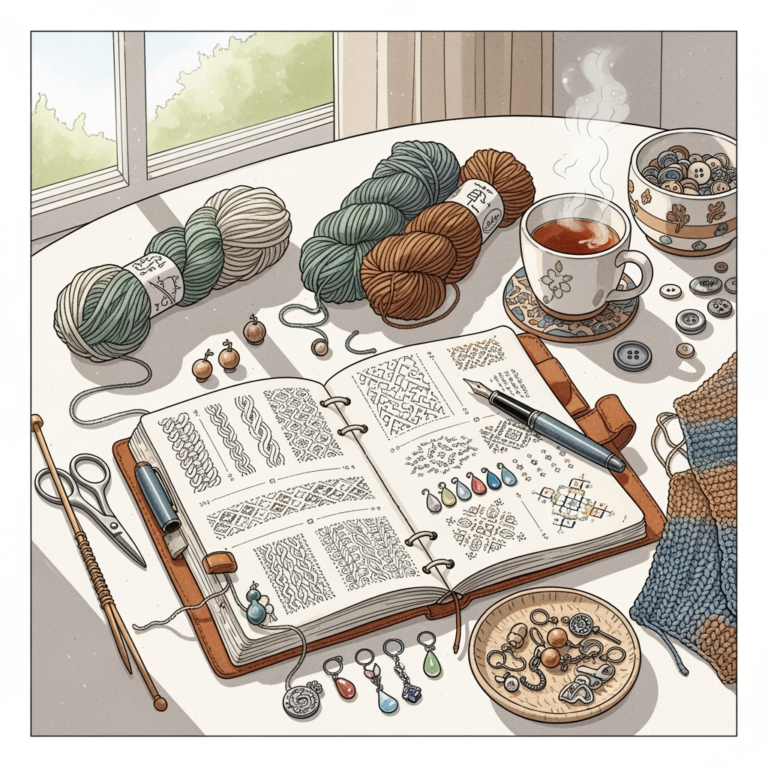
For the traditionalist who keeps a physical knitting journal to track stitch counts, decreases, and row repeats, Noodler’s Black Ink is a favorite. It is known for its extreme permanence and resistance to light, bleach, and archival chemicals.
Unlike most inks that can be lifted with water, this ink chemically bonds with cellulose fibers in paper. If you happen to spill a glass of water on your desk while working on a complex lace chart, your notes will remain perfectly readable.
It is a “bulletproof” ink, meaning it is designed for longevity above all else. Just ensure that the pen is cleaned regularly, as the heavy pigment content can clog fountain pen feeds if left stagnant for long periods.
Ranger Archival Re-Inker: Widest Color Selection
Ranger Archival inks are a staple for those who need color-coding to organize their stash or categorize different project types. Their re-inkers allow you to keep your ink pads vibrant for years without needing to buy entirely new sets.
These inks are acid-free and permanent, which is vital when attaching labels to long-term storage items like wool sweaters stored in cedar chests. Color-coding by fiber content—such as using blue for wool and green for cotton—can save hours of time when browsing a large stash.
The selection of shades is vast, allowing for precise color matching to your project labels. Keep in mind that darker colors tend to show better on light-colored labels, while lighter colors might require multiple stamp impressions for full opacity.
Faber-Castell Pitt Pen: Ideal for Project Sketches
The Faber-Castell Pitt Pen utilizes India ink, which is both waterproof and lightfast. This is a robust choice for designers who sketch out complex colorwork charts or garment constructions that need to survive years of design revisions.
The ink flow is consistent, mimicking the feel of a technical drafting pen. It works beautifully on heavy-weight paper or even rougher, unspun fibers if you are labeling cones for a knitting machine.
One significant advantage is the lack of odor and the speed at which it cures. Once the ink has been laid down, it becomes an inert part of the paper, making it perfect for long-term project archiving.
How to Choose the Right Archival Ink for Fabric
Selecting an ink for fiber requires a balance between surface tension and fiber absorption. Natural fibers like cotton and linen absorb ink deeply, while synthetics like acrylic and nylon are smoother and may cause the ink to sit on the surface.
- Cotton and Linen: Use pigment-based inks; they bond well and stay vibrant.
- Synthetics: Often require specialized fabric markers as pigment inks may rub off over time.
- Protein Fibers (Wool/Silk): Proceed with caution; ensure the ink is pH-neutral to prevent protein degradation.
Always look for “Permanent” and “Acid-Free” labels, but prioritize testing on a hidden corner of your fabric. If the ink spreads, the fiber is likely too porous, and a different delivery system—like a stamp rather than a pen—may be required.
Pigment vs. Dye Ink: Which Is Truly Permanent?
Pigment inks consist of tiny, solid particles suspended in a liquid, while dye inks are colorants dissolved completely in liquid. For archival purposes, pigment is almost always the superior choice for the fiber arts.
Dye inks are prone to fading when exposed to UV light, which is a major concern if your project labels or notes are stored in a sunny room. Pigment particles sit on the surface and resist this degradation, maintaining their color integrity for years.
While dye inks often provide more vibrant color, they lack the “permanence” required for true archival work. If long-term readability is the goal, skip the dye-based office pens and opt for pigment-based professional markers.
Heat-Setting Ink on Fabric for Lasting Results
Regardless of the quality of the ink, heat-setting is the final step in ensuring permanence on fabric. If the manufacturer specifies that the ink is for textile use, applying heat essentially melts the binder, locking the pigment into the fibers.
To heat-set, place a piece of scrap cotton over the labeled area and press with a dry iron set to the temperature appropriate for the fabric. Avoid steam, as moisture can cause the ink to move or bleed before the binder has fully cured.
This process is non-negotiable for project bags, clothing labels, or any textile that will be washed. Proper heat-setting transforms a simple mark into a permanent part of the garment’s structure.
What Does “Archival Quality” Actually Mean?
“Archival” signifies that a product will not degrade, yellow, or destroy the material it is applied to over a long period. In the context of knitting, this means the ink must be chemically stable and not acidic.
Non-archival inks often contain acids that break down fibers over time, eventually leading to holes or brittleness in delicate tags. True archival inks are pH-neutral, ensuring that your labels do not eat through your yarn or fabric after years in storage.
When you invest time in hand-knitting, your documentation should be as durable as the yarn itself. Selecting archival-rated tools is a simple way to protect the story of your craftsmanship for the next generation.
Mastering the use of these tools ensures that your knitting history remains as permanent as the stitches themselves. By choosing the right pigment-based pens and stamps, you create a lasting record that survives the test of time and wash-cycles. Keep your notes clear, your labels secure, and your focus on the joy of the next cast-on.