6 Portable Power Banks For Long Travel Sessions
Never run out of battery again. Discover our top 6 portable power banks for long travel sessions and keep your devices charged on the go. Shop our top picks now.
Whether traveling to a fiber festival or just commuting with a portable knitting project, keeping digital tools charged is as essential as keeping stitch markers organized. A dead tablet mid-row can ruin a complex lace sequence or force a sudden halt to a multi-day project. Selecting the right power bank depends on the duration of the trip, the number of devices in use, and the weight allowance in a project bag. This guide navigates the best options to ensure the creative process remains uninterrupted, regardless of location.
Anker PowerCore 26800: For Marathon Knit Nights


When undertaking a massive project—like a full-length, intricate cabled sweater or a multi-month blanket—the Anker PowerCore 26800 serves as a reliable, high-capacity anchor. Its immense capacity ensures that neither a tablet used for pattern reading nor a phone used for music will flicker out during long-haul travel.
This unit excels when wall outlets are nonexistent, such as during multi-day train journeys or camping retreats. Because of its weight, it is best suited for stowing in a project tote rather than a pocket.
While it is bulkier than smaller models, the trade-off is the sheer frequency of charges it provides. Think of it as the knitting equivalent of having a full set of interchangeable needles; it covers every eventuality.
INIU 10000mAh Power Bank: Best for Phone Patterns

The INIU 10000mAh is the ideal choice for knitters who primarily use their phones to reference digital patterns or watch knitting tutorials. It offers a balance between capacity and portability, fitting easily into a small notions bag without adding significant bulk.
Many knitters find that a 10,000mAh capacity provides two full charges for most smartphones, which is sufficient for a weekend workshop or a flight. It is lightweight enough that it won’t distort the shape of a delicate project bag.
The inclusion of an integrated display—showing the exact percentage of charge remaining—is a distinct advantage. It eliminates the guesswork, ensuring the battery is topped off before leaving for the local knitting group.
Anker Nano Power Bank: The Ultra-Compact Choice
The Anker Nano is designed for the minimalist knitter who prioritizes a light project bag. It plugs directly into the bottom of a device, eliminating the need for extra cables that often tangle with yarn or get caught on needle points.
This is the perfect emergency companion for quick trips or light travel. It is small enough to tuck into a small wristlet or a stitch marker tin, making it virtually weightless.
However, its smaller capacity means it is best for supplemental power rather than sustained, full-day use. Use it to keep a phone alive just long enough to finish a row and reach a convenient stopping point.
mophie powerstation pro: For Multi-Device Knitters
Knitters who travel with a tablet, a phone, and a rechargeable neck light need a hub capable of fast, simultaneous charging. The mophie powerstation pro offers multiple high-speed ports, ensuring that no device is left behind when it is time to cast off.
Its robust construction stands up to the rigors of travel, fitting neatly alongside wooden needles and metal tools. It is engineered to deliver power efficiently, which is critical when managing multiple devices at once.
While it commands a higher price, the versatility is unmatched for the advanced maker. It essentially acts as a portable power station for every digital tool in the knitting kit.
Belkin BoostCharge 10K: The Reliable All-Rounder
The Belkin BoostCharge 10K is the workhorse for the everyday knitter. It provides a solid, dependable charge without the complexities of higher-end, multi-port models, making it an excellent choice for those who want simplicity above all else.
Its slim profile is particularly beneficial for knitters who pack light. It slides alongside patterns printed on cardstock or into the side pockets of a standard knitting tote.
This device is favored for its durability and consistency. If a knitter prefers a “set it and forget it” tool that simply works every time, this is the reliable choice for the craft bag.
Goal Zero Venture 35: Best for Off-Grid Crafting
For those whose fiber arts take them outdoors, the Goal Zero Venture 35 is built for the elements. It features a rugged, weather-resistant shell that can handle dust, moisture, and the occasional tumble in a backpack.
It is particularly useful for knitters who take their projects to festivals, hiking trails, or beach trips where moisture and sand are genuine threats to delicate yarn fibers. It protects the battery’s integrity in environments that would damage a standard charger.
While heavier and more industrial in appearance, it offers unparalleled protection. For the adventurous fiber artist, the peace of mind provided by this level of durability is worth the extra weight.
Understanding mAh: How Much Power Do You Need?
The term mAh, or milliampere-hour, indicates the total electrical charge a power bank can deliver. A 5,000mAh bank is light and small, suited for a quick morning of knitting, while a 20,000mAh+ bank is necessary for long-term travel or powering multiple devices.
- 5,000 – 10,000mAh: Best for short-term use, phone-based patterns, and minimalist bags.
- 10,000 – 20,000mAh: Ideal for full-day travel or powering tablets and phones simultaneously.
- 20,000mAh+: Necessary for multi-day trips, camping, or when multiple people are relying on one power source.
Do not assume bigger is always better, as higher mAh translates directly to more weight in the bag. Choose a capacity that matches the duration of the journey, not the longest hypothetical trip imaginable.
What to Charge: From Neck Lights to Pattern Apps
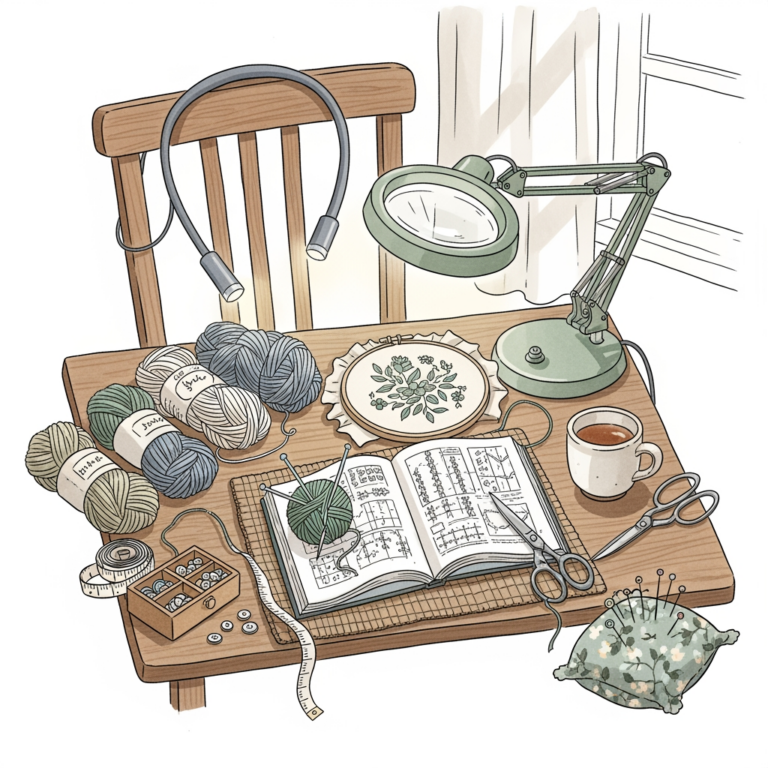
Modern knitting involves far more than just yarn and needles. Devices like digital row counters, rechargeable neck lights for late-night knitting, and tablets for zoom-in access to complex charts all rely on battery power.
Using a power bank ensures that a neck light won’t dim in the middle of a stranded colorwork chart. Similarly, keeping a tablet charged prevents the screen from going dark during a tricky bind-off.
Always prioritize charging the most critical device first. If a pattern is only available on a tablet, keep that at full capacity even if the phone charge dips.
Key Features for a Knitter’s Go-To Power Bank
When selecting a power bank for a project bag, look for more than just capacity. Weight and size are primary concerns, as excess weight can cause fatigue during long travel sessions or distort high-quality project bags.
- Portability: Can it fit in the notions pocket?
- Cable Integration: Are there built-in cables to avoid clutter?
- Charge Display: Does it clearly show how much power remains?
- Durability: Can it withstand being dropped on hard travel surfaces?
Prioritize models with a low self-discharge rate so they hold power even when sitting in a bag for weeks between trips. A bank that drains itself while sitting in a closet is no help when the knitting inspiration strikes.
Flying With Your Power Bank: What You Need to Know
Airline regulations are strict regarding lithium-ion batteries. Generally, power banks must be carried in carry-on luggage, never checked in the hold, due to the risk of fire.
Most airlines limit individual power banks to 100Wh (watt-hours), which covers the vast majority of consumer models. Always check the capacity on the back of the device, as security officers may inspect it if the label is worn or missing.
Pack the power bank in an easily accessible part of the bag. This ensures a quick exit from the security checkpoint and keeps the knitting project moving forward without unnecessary delays.
Properly managing digital power ensures the rhythm of the needles remains uninterrupted, regardless of where the journey leads. By matching the capacity and size of the power bank to the specific needs of the project and travel itinerary, every knitter can travel with confidence. Whether working on a simple garter stitch scarf or an intricate lace heirloom, having a consistent, reliable energy source is the best way to ensure the work stays on the needles and off the charger.