7 Best Finger Caps For Heat Protection To Use
Protect your fingers from burns with our top 7 picks for heat protection finger caps. Discover the best durable options and shop your perfect pair today.
Knitting and fiber arts often require more than just needles and yarn; protecting delicate fingertips from steam, hot glue, or high-friction tension is a quiet necessity for longevity in the craft. Whether steaming a finished lace shawl or securing embellishments to a felted project, the right finger protection prevents heat-induced accidents that halt production. These tools aren’t just safety gear; they are precision instruments that allow for more control during delicate finishing work. Selecting the proper guard ensures that focus remains on the stitches rather than the potential for a painful burn.
Mudder Silicone Protectors: Best Overall Value


These silicone caps offer a straightforward solution for those who require basic heat resistance without the bulk of specialized gear. Their flexibility allows for a decent range of motion, which is crucial when handling fine thread or managing delicate blocking pins.
Because they are molded from high-heat silicone, they serve well when steaming seams or blocking swatches. The grip provided by the textured surface helps when pulling a needle through thick, multi-ply wool or stubborn, non-superwash fibers.
The lack of extreme precision is the primary tradeoff here. While they cover the finger well, they can feel slightly loose, making them less ideal for picking up tiny dropped stitches while the project is near a steam source.
Dritz Fons & Porter Ironing Finger: For Quilters
Though designed primarily for quilting, this tool is an absolute staple for any fiber artist who frequently uses a steam iron to set folds or press seams in garments. It acts as a miniature pressing surface that shields the digit while pushing fabric firmly against the ironing board.
The key advantage is the internal lining, which remains cool to the touch even when subjected to intense steam. It allows for the kind of aggressive pressing that helps flatten bulky wool seams or crisp up hems on linen projects.
However, the rigid construction means tactile sensitivity is significantly reduced. This is a tool for heavy-duty pressing, not for intricate detail work where finger dexterity is paramount.
Clover Iron Finger: Precision Heat Protection
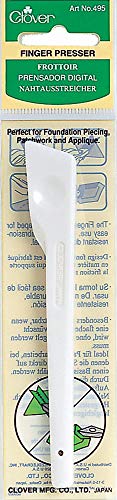
Clover understands the need for finesse, and this tool is engineered specifically for those who need to hold tiny fabric folds or ribbon edges right next to a hot iron. It features a heat-resistant rubber tip that provides excellent grip, preventing the fabric from slipping under the iron’s edge.
This tool shines when creating precise pleats for skirts or bags, where uneven pressure results in a sloppy finish. Its design mimics the shape of a finger, making the transition between using one’s bare hand and the tool feel natural.
Do not expect this to protect the entire finger from a direct hit with a hot iron plate. It is a precision guard meant to shield the contact point, not act as a full-coverage safety glove.
Revulx Aramid Fiber Cots: For High-Heat Tasks
Aramid fibers are the gold standard for extreme heat environments, often found in industrial safety gear. These cots provide a level of protection that silicone simply cannot match, making them the choice for serious fiber artists working with high-temperature adhesives or specialized heat-set chemicals.
These are exceptionally thin compared to silicone, meaning they maintain a high degree of tactile feedback. For a knitter, this is vital when manipulating fine-gauge yarn or working with beads that might retain heat.
The main drawback is that they can fray over time if caught on sharp needle tips or metal notions. They are a specialized investment, best reserved for tasks where standard silicone will melt or warp.
Gejoy 30-Piece Set: Best for Classrooms/Groups
Having a bulk set is highly practical for guild meetings, workshops, or when teaching beginners. These basic silicone caps are utilitarian, providing an immediate barrier against minor heat without the cost of high-end, specialized gear.
Because they are inexpensive, losing one during a workshop is not a disaster. They are perfect for teaching students how to handle steam blocking safely, ensuring no one leaves the studio with a minor burn.
Expect a lower level of durability and less precise fit than premium brands. They are meant to be functional, replaceable tools for high-turnover environments rather than lifetime accessories.
Clover Leather Coin Thimble: Most Durable Option

While not strictly for “heat,” leather offers a unique form of heat resistance for those who prefer natural materials over synthetics. It does not melt, and it provides a comforting, organic texture that many experienced knitters find more intuitive than rubber.

The coin insert provides a hard stop for the needle, which is essential if you knit with a heavy hand. This protects the finger not just from heat, but from the cumulative wear of repetitive needle thrusts.
Leather requires a break-in period before it conforms perfectly to the shape of the finger. Once molded, however, it becomes a permanent part of the knitting kit that outlasts any silicone alternative.
Czarcraft Hot Glue Gun Caps: Best for Adhesives
These caps are specifically designed for the messy reality of hot glue. When attaching felted flowers, buttons, or leather tags to a finished project, they prevent the glue from sticking to the skin while still allowing for fine manipulation.
The surface is non-stick, meaning that if glue does spill, it can be peeled off once cool without ruining the guard. This is a critical feature for maintaining workspace cleanliness when working with various adhesives.
They are generally shorter than other guards, designed to protect only the tip. If the project requires holding a piece of fabric in place while a large amount of glue is applied, ensure the guard covers enough area to prevent incidental contact.
How to Choose the Right Heat-Resistant Finger Cap
Selecting the right guard depends on the specific intensity of the heat source and the delicacy of the project. If the task involves a steam iron, prioritize thickness and heat-deflection ratings. If the task involves adhesives or delicate lace placement, prioritize grip and tactile sensitivity.
Consider how much of the finger needs coverage. Many knitters make the mistake of choosing a cap that is too thick, leading to a loss of control that actually increases the risk of touching the heat source with an unprotected part of the hand.
Always evaluate the material’s interaction with the yarn. Synthetic silicone is generally safe, but rougher materials might snag delicate fibers like mohair or silk.
Silicone vs. Leather vs. Aramid: Which is Best?
- Silicone: Best for steam and general heat; provides excellent grip but can feel bulky.
- Leather: Best for long-term comfort and needle protection; natural feel, but less effective against direct high-heat steam.
- Aramid: Best for extreme heat and precision; thin and strong, though prone to fraying if not handled with care.
Silicone is the workhorse of the fiber arts studio, handling moisture and steam with ease. Leather is the traditionalist’s choice, perfect for protecting the finger from the needle point during intense knitting sessions. Aramid is the specialty tool, reserved for tasks that demand both high-heat resistance and the ability to feel fine textures.
Getting the Right Fit: Sizing Your Finger Guards
A finger guard that is too tight will restrict circulation, leading to discomfort and cold hands, which inhibits knitting speed. Conversely, a guard that is too loose will slide off during delicate maneuvers, potentially causing a project to drop or a stitch to run.
Measure the circumference of the finger being used most frequently during finishing. If the guard is intended to be worn for long periods, opt for a size that allows for slight expansion, as hands tend to swell after hours of knitting.
Check the manufacturer’s sizing charts carefully, as “one size fits all” rarely accounts for the variance between a slender pointer finger and a robust thumb. When in doubt, sizing up slightly and using a small piece of athletic tape inside the guard can provide a custom, secure fit.
Investing in these small accessories turns potentially hazardous finishing tasks into controlled, professional processes. By choosing the right material and fit, every maker ensures their hands stay protected for years of creative work to come.