6 Best Buffing Pastes For Restoring Vintage Tools
Restore your vintage tools to their original shine with our expert guide. Discover the 6 best buffing pastes for effective metal restoration. Click to read now!
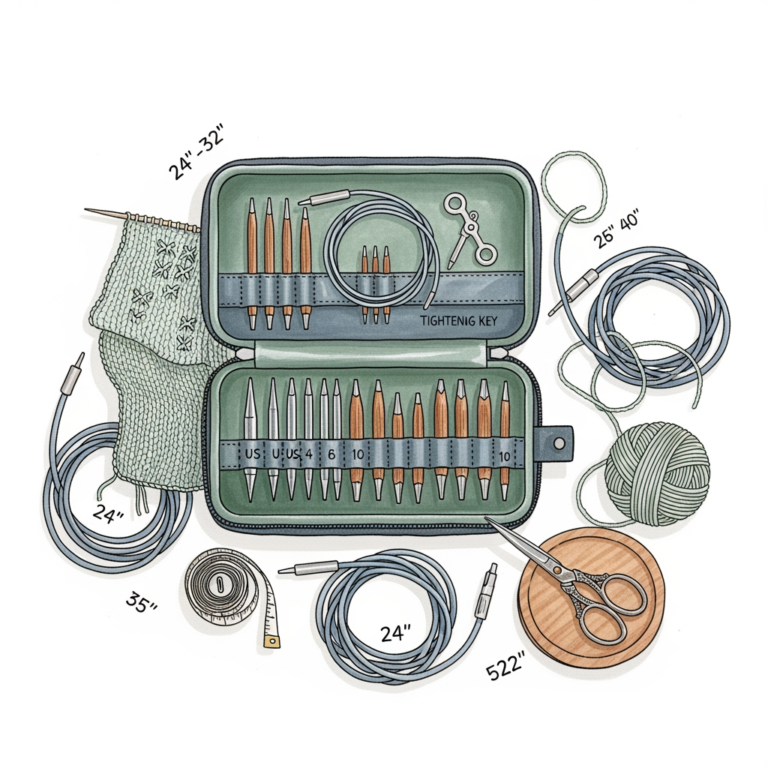
Vintage knitting needles, crochet hooks, and metal stitch holders often develop oxidation or surface roughness that snags delicate fibers like lace-weight mohair or high-twist merino. Restoring these tools is not merely an aesthetic choice; it is a mechanical necessity for ensuring consistent gauge and preventing yarn damage during long sessions. Choosing the right polishing compound transforms a rusted, dragging tool into one that allows yarn to glide effortlessly across the surface. This guide identifies the most effective buffing pastes for breathing new life into heirloom gear.
Dialux Green: Best All-Purpose Polishing Compound


Dialux Green is widely considered the gold standard for removing light scratches and achieving a high-luster finish on various metals. It excels on stainless steel and chrome, making it ideal for restoring the smooth finish of vintage steel needles.
When a needle surface becomes pitted, it creates drag that ruins tension and slows down speed knitting. Dialux Green acts as a mild abrasive that cleans without stripping away too much material, preserving the original dimensions of the tool.
This compound is notably grease-less, which prevents the residue from transferring onto light-colored luxury fibers like silk or alpaca. For tools that have seen decades of use, this is the reliable starting point before moving to finer finishing polishes.
Simichrome Polish: Best for a Mirror-Like Finish
Simichrome is a heavy-duty, cream-based polish that reacts exceptionally well with brass and chrome tools. It is famous for its ability to cut through deep tarnish, revealing a bright, reflective surface underneath.
If a vintage needle has developed a dull, grey patina, Simichrome will quickly restore its original gleam. The resulting surface is remarkably slick, which is a major advantage for knitters working with high-friction wools that might otherwise stick to a tarnished needle.
Use this sparingly, as it is a potent chemical agent. A tiny amount on a soft cotton cloth goes a long way toward revitalizing a needle set that has been stored in a damp environment.
Flitz Paste: Most Versatile for Multiple Surfaces

Flitz Paste is a non-toxic, non-abrasive formula that works effectively on everything from metal needles to hard plastic or resin crochet hooks. Its versatility makes it a staple for anyone maintaining a diverse collection of tools.
Because it does not contain harsh abrasives, it is perfect for final touch-ups where material removal must be kept to a minimum. If a favorite set of vintage aluminum needles has become slightly sticky from years of skin oils and humidity, Flitz will return them to factory smoothness.
The paste also leaves behind a protective film that helps prevent future oxidation. This is particularly useful for knitters who live in humid climates and find that their metal tools rust or corrode if left out on a project table for too long.
ZAM Compound: Ideal for Softer, Delicate Metals
ZAM is a specialized, dry-ish compound originally formulated for jewelry making, specifically for softer metals like silver and gold. It is exceptionally gentle, making it the preferred choice for precious metal or vintage plated needles.
Using an overly abrasive compound on plated needles can result in the plating being buffed off entirely, exposing the base metal underneath. ZAM cleans the surface without the aggressive cutting action of heavier rouges, ensuring the integrity of the tool’s finish remains intact.
This is the go-to selection when the tool is an antique heirloom that requires a delicate touch. It provides a brilliant shine while minimizing the risk of accidental over-polishing.
Jeweler’s Rouge (White): For a Final High Shine
White Jeweler’s Rouge is the final step in a multi-stage restoration process. It is exceptionally fine and is designed to create a “glass-like” finish on metal surfaces.
After using a coarser compound to remove scratches, white rouge provides that final slippery quality essential for high-speed knitting. A smooth surface reduces hand strain, as the yarn requires less physical effort to move across the needles.
Apply this with a very soft buffing wheel or a clean microfiber cloth. It does not possess significant cutting power, so use it only after the surface is already uniform and free of deep abrasions.
Tripoli Compound (Brown): For Initial Scratch Removal
Tripoli is a coarse, “cutting” compound used specifically for initial heavy restoration. It is the remedy for tools that have been deeply scratched or heavily corroded by years of neglect.
Do not use Tripoli on needles that are already in decent condition, as its abrasive nature will create new, finer scratches that must then be polished out. It is strictly a tool for the “reset” phase of restoration.
Once the deep damage is removed with Tripoli, transition to a finer compound like Dialux Green or White Rouge. This two-stage approach ensures a professional-grade finish that mimics the smooth glide of modern, high-end needles.
Choosing Your Compound: A Quick Buyer’s Guide
Selecting the right compound depends entirely on the state of the tool and the type of metal. Consider these factors before starting the restoration process:
- Degree of Damage: Use coarse compounds like Tripoli for deep scratches and fine pastes like White Rouge for simple maintenance.
- Metal Type: Use ZAM for plated or soft metals and Simichrome for stubborn brass or chrome.
- Finish Preference: If a tool is meant to be highly slippery for lace work, a final buff with White Rouge is non-negotiable.
- Safety: Always choose non-toxic formulas like Flitz if the tools will be used around delicate fibers that might be worn close to the skin.
Always err on the side of caution. It is easier to repeat a light polishing step than to undo the removal of too much metal from a needle.
How to Apply Buffing Paste for the Best Results
Success in tool restoration lies in the application method. Start by cleaning the needle thoroughly with soap and water to remove any existing debris or loose grime.
Apply a small pea-sized amount of paste to a soft, lint-free cloth or a dedicated buffing wheel attachment on a rotary tool. Work in small sections, moving in the direction of the needle’s length to ensure a consistent, streak-free surface.
Wipe away residue frequently to check progress. Once the desired level of smoothness is achieved, buff the needle with a clean, dry cloth to remove all traces of the polishing compound. Residual paste can react with fibers or dye, so a clean surface is paramount.
Essential Safety Tips for Using Buffing Pastes
Working with buffing compounds involves fine dust and chemical agents, so always prioritize personal safety. If using a rotary tool, wear eye protection to prevent flying debris or compound flecks from entering the eyes.
Work in a well-ventilated area, especially when using compounds that produce dust. Always wear a dust mask or respirator if you are buffing multiple needles at once, as fine metal dust is harmful to the lungs.
Store these products in a cool, dry place, sealed tight to prevent them from drying out. Keep them clearly labeled, as many compounds look nearly identical once removed from their original packaging.
Decoding Compound Colors: From Cut to Polish
Understanding the color-coding system of buffing compounds simplifies the restoration process. While some manufacturers vary, the industry generally follows a hierarchy based on grit level:
- Brown (Tripoli): The most aggressive, used for cutting and initial scratch removal.
- Green (Dialux Green): The versatile middle ground, excellent for polishing and light scratch removal.
- White (Jeweler’s Rouge): The ultra-fine finisher, used for achieving a mirror-like shine.
- Blue/Red: Often specialized for specific metals like gold or platinum, but rarely needed for standard knitting needles.
Start with the coarsest grit necessary and move incrementally toward the finest. This systematic layering creates the most durable and smooth finish for your tools.
Restoring vintage knitting needles is a rewarding way to extend the lifespan of high-quality tools while honoring the history of your craft. With the right compound and a methodical approach, you can restore even the most neglected needles to a state that rivals modern manufacturing. By focusing on the correct level of abrasion, you protect the tool’s integrity and ensure your future projects are free from the frustration of snagging. Proper tool maintenance ultimately clears the path for smoother stitches and a more enjoyable knitting experience.