7 Best Professional Printers For High Quality Proofs
Upgrade your workflow with our expert guide to the 7 best professional printers for high-quality proofs. Compare top models and choose the right device today.
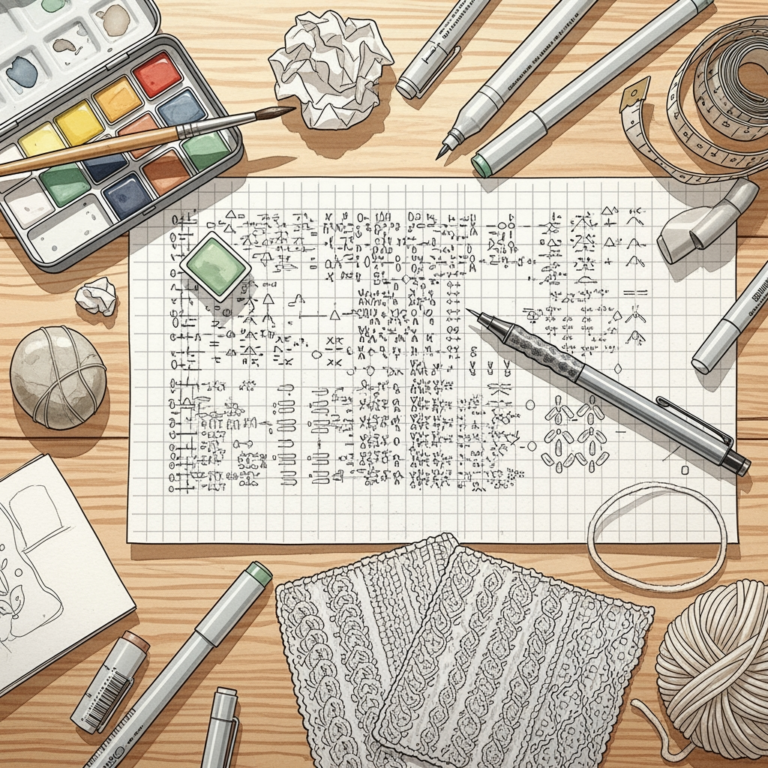
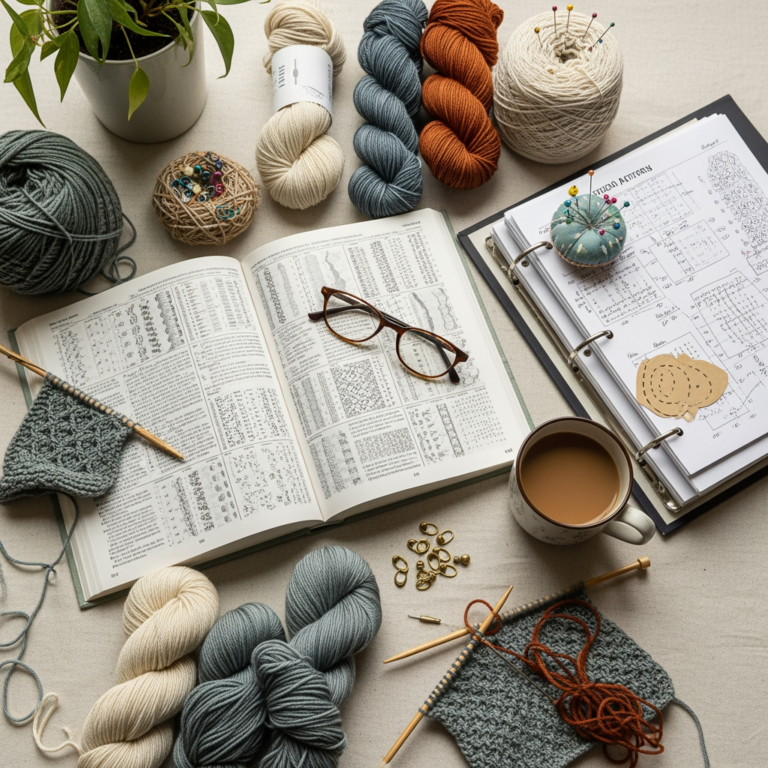
When working on a complex colorwork project, a digital screen can often hide subtle color shifts that become glaringly obvious once the yarn is on the needles. High-quality physical proofs bridge the gap between a virtual design and the tangible reality of a finished garment. Investing in a reliable printer ensures that complex charts, motifs, and gauge swatches are rendered with the clarity required for error-free knitting. Choosing the right tool requires balancing color accuracy, paper versatility, and long-term operating costs.
Canon PIXMA Pro-200: Best for Vibrant Colorwork


Color saturation is vital when auditioning palettes for stranded colorwork. The Canon PIXMA Pro-200 excels at producing deep, punchy colors that help a knitter visualize how high-contrast yarns will behave when held together.
This model uses an 8-color dye-based ink system, which offers a wide gamut that is particularly effective for bright, saturated tones. If the goal is to visualize neon variegated yarns or high-contrast neon stitch patterns, this machine provides the necessary vibrancy.
While dye inks lack the long-term lightfastness of pigment inks, they offer a glossy, professional finish that makes patterns look polished. It is the ideal choice for designers or knitters who prioritize visual impact over archiving.
Epson SureColor P700: Top Archival Quality Proofs
Archival quality is non-negotiable for those designing heirloom-quality patterns or maintaining a long-term library of lace charts. The Epson SureColor P700 uses professional-grade pigment inks that are highly resistant to fading over time.
Because these inks sit on top of the paper fibers rather than soaking in, the resulting prints are incredibly crisp. This is essential when working with dense, miniature lace charts where every yarn-over symbol must be distinct.
The machine is compact but packs a punch, handling fine art papers with ease. If the project involves creating physical master copies of designs that need to last decades, this is the industry gold standard.
Canon PRO-300: For Rich, Detailed Lace Charts
Lace knitting often involves complex symbols that can blur on lesser printers. The Canon PRO-300 utilizes a specialized Chroma Optimizer that ensures black lines are sharp and uniform across different paper textures.
This printer is engineered to handle intricate work, providing a level of detail that is crucial for complex chart-reading. When navigating a complicated Estonian lace pattern, having a clear, high-contrast printout is far superior to squinting at a smartphone screen.
The printer performs exceptionally well with matte papers, which are less reflective and easier on the eyes under task lighting. It effectively bridges the gap between commercial-grade print quality and home-office convenience.
Epson XP-15000: Affordable Large-Format Printing
Large-format printing is a game-changer for knitters who prefer to view their entire project chart on one A3-sized sheet. The Epson XP-15000 offers wide-carriage printing at a price point that is accessible for serious hobbyists.
It handles cardstock well, which is an excellent choice for charts that need to be propped up on a knitting table or placed inside a project bag. A sturdier print prevents the curling and tearing that often happens with standard printer paper during long-term projects.
While the ink costs are higher than office-grade alternatives, the ability to print wide-format patterns is a distinct advantage. It is the best entry point for those wanting to scale up their visual planning without a major commercial investment.
Epson ET-8550: Best for High-Volume Pattern Runs
Frequent printing of massive multi-page lace projects can drain standard cartridges in weeks. The Epson ET-8550 features an ink tank system, drastically reducing the cost per page compared to cartridge-based models.
This is the workhorse of the bunch, designed for those who print hundreds of pages of schematics, patterns, and stitch dictionaries annually. The initial investment is higher, but the savings on ink refills will eventually pay for the machine.
The print quality is more than sufficient for general pattern documentation. It serves as a practical, economical solution for the prolific knitter who doesn’t want to worry about ink costs when printing a quick reference guide.
HP Envy Photo 7855: Scan & Print Your Designs
Sometimes, the best inspiration comes from sketching a lace motif by hand on paper. The HP Envy Photo 7855 features an integrated scanner that allows for high-resolution digitizing of hand-drawn charts.
Once scanned, the software makes it simple to print clear, corrected versions that can be marked up with highlighters or stitch counters. This closed-loop system is perfect for makers who like to start with pencil and paper before moving to a digital format.
It is a compact, multi-functional tool that fits into small craft rooms without taking up valuable table space. While not intended for professional-grade archival art, it is perfect for the day-to-day organizational needs of a busy knitter.
Brother MFC-J6945DW: Most Economical Ink Option
For the knitter who prioritizes budget above all else, the Brother MFC-J6945DW offers impressive ink efficiency. It uses the INKvestment tank system, which holds a substantial amount of ink and provides very low running costs.
This machine is built for endurance and high-volume office use, meaning it handles heavy-duty paper feeding with minimal jams. When printing a thick book-length pattern, this printer will not struggle or complain.
The color accuracy is standard, perfectly functional for reading charts, even if it lacks the fine art finesse of more expensive photo printers. For pure utility and cost-effectiveness, this machine is hard to beat.
Pigment vs. Dye Ink: Which Is Best for Patterns?
Understanding ink chemistry is essential for long-term project organization. Pigment inks consist of microscopic particles suspended in liquid, which adhere to the surface of the paper.
- Pigment Inks: Excellent for longevity and sharp text. They are less prone to bleeding if they get damp—a common occurrence in project bags where a water bottle might leak.
- Dye Inks: Dissolve into the paper fibers, creating vibrant colors. They are better for photo-quality images but can bleed if the paper gets wet.
If the goal is to create permanent charts that will live in a pattern binder for years, choose pigment. If the goal is vibrant color study and quick reference, dye-based printers are the more budget-friendly and visually appealing choice.
Understanding DPI and Why It Matters for Charts
DPI, or dots per inch, determines the resolution and clarity of the printed image. For standard text, 300 DPI is the benchmark for readability, but for intricate knitting charts, higher is often better.
Low DPI causes fine diagonal lines in a cable chart or a lace motif to look pixelated or “stair-stepped.” When a pattern uses tiny symbols to represent complex decreases like a K2tog-tbl (knit two together through the back loop), sharpness is crucial for speed and accuracy.
Always ensure the printer settings are adjusted to “High” or “Best” quality when printing documents containing dense, detailed graphics. A low-resolution print can lead to misreading a chart, which is a common source of errors in lace and colorwork.
Choosing the Best Paper for Printing Patterns
Paper weight and texture significantly impact how a pattern holds up to heavy use. Standard 20lb printer paper is often too flimsy, prone to tearing at the binder holes or crinkling under the weight of heavy project bags.
- 24lb to 28lb Paper: Provides a sturdier feel that is easier to flip through and less likely to rip.
- Matte Presentation Paper: Reduces glare, making it easier to read under low-light conditions when knitting at night.
- Cardstock: Ideal for chart inserts that will be moved between projects or handled repeatedly.
When printing double-sided, choose a heavier weight paper to prevent ink from showing through the back. A clean, crisp, and substantial piece of paper makes the experience of following a complex pattern far more professional and less frustrating.
Careful consideration of printing equipment transforms how a pattern is perceived and used. Whether choosing a high-end photo printer for color accuracy or a cost-effective tank system for volume, the right choice makes the technical side of knitting feel effortless.