7 Best Multi-Purpose Cleaners For Craft Surfaces To Try
Keep your workspace pristine with our top 7 multi-purpose cleaners for craft surfaces. Discover the best non-toxic solutions for your projects and shop today.
Every fiber artist knows the frustration of a pristine project meeting a sudden spill or an unexpected smudge. Whether it is a drop of coffee on a delicate lace shawl during the blocking process or a mysterious mark on a cutting mat, your tools require specific care to remain functional. Craft surfaces are often made of specialized polymers or porous materials that do not react well to harsh household solvents. Understanding how to clean these spaces without compromising their longevity ensures that your knitting needles, blocking boards, and sewing tables stay in top condition for years.
Method All-Purpose Cleaner: Best Gentle Option


Method All-Purpose Cleaner serves as a reliable, non-toxic choice for those who work frequently with light-colored, delicate yarns. Because it is plant-based and lacks harsh ammonia, it minimizes the risk of leaving chemical residues that could potentially alter the color or fiber integrity of your wool.
If you are blocking a light-colored lace project, you want to ensure the surface is clean but free of heavy perfumes or dyes. This cleaner wipes away dust and light spills without requiring a heavy rinse.
The main tradeoff here is its mildness. While it is safe for your health and your fibers, it will not cut through heavy oils or stubborn adhesives. It is the ideal “daily driver” for maintaining a clean crafting table.
Amodex Ink & Stain Remover: For Tough Stains
Accidents happen, and markers or pens often find their way onto craft surfaces during pattern mapping or knitting chart adjustments. Amodex is a soap-based formula designed to break down pigment, making it highly effective for stubborn ink marks that standard wipes might miss.
Unlike bleach-based cleaners, which can permanently damage or discolor plastic-based cutting mats and work surfaces, Amodex works by lifting the pigment away. It is particularly useful if your workspace doubles as an office and you frequently swap between graphite, ink, and wool.
Do not expect this to act as a general surface cleaner, however. It is a targeted solution for stains rather than a spray-and-wipe product for dust or grime. Keep it on hand for those inevitable marks that occur when you are working hard on a complex pattern.
DIY Vinegar & Water Solution: Best Budget Option
A simple solution of white vinegar and water is often the most effective way to maintain a lint-free, non-tacky workspace. Vinegar acts as a natural disinfectant and helps break down the light oils that accumulate on surfaces from handling yarn and needles over long periods.

Combine one part white vinegar with four parts water to create an effective, low-cost cleaner. This mixture is excellent for glass or sealed wood surfaces where you store your circular needles or organize your notions.
Be careful when using vinegar near delicate metal equipment or vintage sewing machines, as its acidity can cause corrosion over time. Always buff the surface dry immediately after cleaning to ensure no moisture lingers.
Goo Gone Original Liquid: For Sticky Residue
Sticky residue on a craft surface is usually the result of price tags, tape from project notes, or old adhesive from organizing bins. Goo Gone is a citrus-based solvent that excels at dissolving these gummy leftovers without scratching the underlying material.
When you use this on plastic mats or hard surfaces, apply it sparingly with a cloth rather than pouring it directly. If the residue remains on the surface for too long, some types of plastic can become soft or cloudy.
Once the adhesive is gone, follow up immediately with a mild soap to remove the oily film left by the solvent. This prevents your next project—like a sticky, high-twist cotton yarn—from picking up unwanted oil or residue from the table.
Seventh Gen Wipes: Best for Quick Clean-Ups
Seventh Generation wipes provide the convenience of a quick clean without the harsh, skin-irritating chemicals found in many heavy-duty disinfecting wipes. They are excellent for small, rapid clean-ups right before you start a new row of intricate colorwork.
These wipes are gentle enough that they rarely leave a streak or a film behind. If you are prone to skin sensitivities when touching your tools, the lack of heavy synthetic fragrances makes these a much safer bet.
Keep in mind that wipes are a one-time-use product, which can lead to more waste compared to a reusable cloth and a spray bottle. They are best used as an “emergency” tool rather than your primary cleaning method.
Eucalan Delicate Wash: For Your Blocking Mats

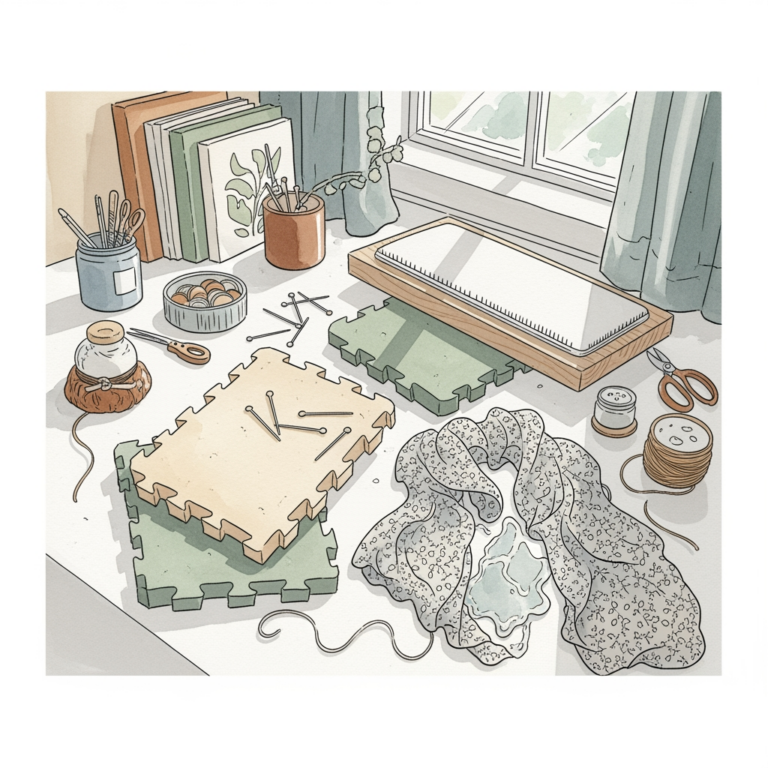
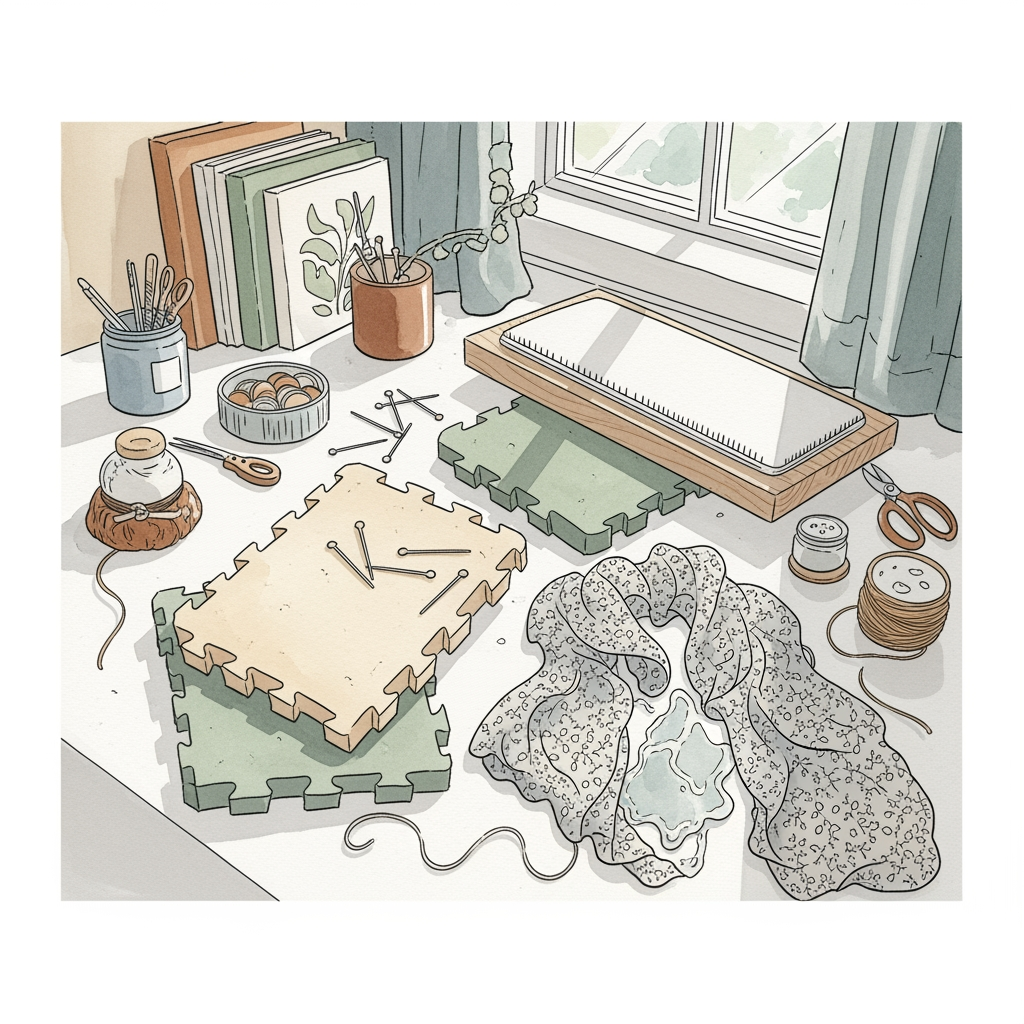
While primarily intended for wool and lace, Eucalan is a surprisingly excellent cleaner for foam blocking mats. Because it contains lanolin and is pH-neutral, it cleans the surface without stripping the elasticity or causing the foam to become brittle.
If you block your knitting projects on these mats, oils from the yarn or the environment can transfer to the foam. A light wipe-down with a diluted Eucalan solution ensures your mats remain supple and clean for the next blocking session.
This approach is highly recommended for those with allergies or those who want to ensure no harsh chemical residue ever touches their delicate alpaca or silk projects. It is a gentle, dual-purpose investment for any knitter.
Krud Kutter Degreaser: For Heavy-Duty Grime
Crafting environments often attract a surprising amount of dust and oils, especially if you store yarn or notions near areas where you consume food or beverages. Krud Kutter is a heavy-duty degreaser that tackles the deep grime that builds up on workshop corners or storage shelves.
Because this is a powerful degreaser, it must be used with caution on finished wood or delicate painted surfaces. Test it on an inconspicuous area first to ensure it does not strip finishes or cause warping.
Use it for deep cleaning your workspace once or twice a year to clear out the accumulated dust and lint. It is not necessary for daily use but acts as a “reset button” for a cluttered or messy area.
Choosing a Cleaner: A Craft Surface Safety Guide
Not all surfaces are created equal, and your choice of cleaner should depend on the material of your craft station. Plastic mats, wooden tables, and metal surfaces all respond differently to chemical agents.
- Plastic/Self-Healing Mats: Use pH-neutral, non-abrasive cleaners. Avoid solvents.
- Finished Wood: Use light, damp cloths; avoid soaking or heavy detergents.
- Glass/Metal: Can handle vinegar solutions but avoid long-term exposure to harsh acids or bleach.
When in doubt, always prioritize gentleness over intensity. It is better to spend an extra minute scrubbing with a mild product than to permanently ruin a high-quality surface with a chemical that is too harsh.
Chemicals to Avoid on Your Crafting Surfaces
Certain chemicals can cause irreversible damage to the specialized materials used in craft mats and tool organizers. Avoid products containing high concentrations of bleach, acetone, or abrasive scrubbers.
- Bleach: Can cause plastic to yellow, become brittle, or lose its self-healing properties.
- Acetone/Nail Polish Remover: Will melt most plastics and strip finishes off wooden tables instantly.
- Abrasive Scouring Pads: Will ruin the texture of self-healing mats and scratch polished surfaces.
Always read the label before applying a new product to your workspace. If the label warns against use on plastics or painted surfaces, do not let it near your crafting area.
How to Safely Clean Self-Healing Cutting Mats
Self-healing mats are a significant investment and require careful handling to maintain their texture. The key is to avoid getting them soaking wet or using chemicals that break down the proprietary compounds that allow the mat to “heal” after being cut.
Gently wash the mat in a sink using warm water and a tiny amount of mild dish soap. Use a soft sponge or a microfiber cloth, moving in a circular motion to dislodge trapped fibers or dust.
Once clean, pat the mat dry with a towel and let it air dry completely flat in a shaded area. Never leave it in direct sunlight to dry, as heat and UV exposure can cause the mat to warp or harden, making it impossible to use for precise projects.
Maintaining your craft surfaces is an essential component of professional-level work. By selecting the right cleaners and respecting the material properties of your tools, you ensure that your workspace remains a reliable foundation for every project you undertake. Happy crafting.