6 Best Industrial Glues For Heavy Shoe Ornaments
Struggling to secure heavy shoe ornaments? Discover the 6 best industrial glues that offer a permanent, professional-grade bond. Read our expert guide today.
Adding a heavy metal brooch or a stiff felted ornament to a hand-knitted shoe project requires more than just a standard craft adhesive. While a simple yarn darning needle handles most fiber-to-fiber connections, structural attachments to footwear demand industrial-grade resilience. These adhesives bridge the gap between delicate knitwork and the mechanical stress of walking. Selecting the right bond ensures that elaborate embellishments stay secure without damaging the base material.
E6000 Industrial Adhesive: The Crafter’s Choice


E6000 serves as the gold standard for many makers because it remains flexible after curing. When attaching ornaments to knit shoes, a rigid glue can cause the bond to snap as the fabric flexes with every step.
This adhesive excels at gripping non-porous surfaces like plastic, metal, or glass, making it ideal for heavy sequins or charms. However, it requires a long cure time, often needing 24 to 72 hours for full strength.
Avoid using it on thin, delicate yarns, as the thick consistency can be difficult to control. It is best reserved for structural reinforcements where a bulky bond is hidden behind the ornament itself.
Barge All-Purpose Cement: For Flexible Bonds

Barge cement is the go-to for professionals who work with leather and heavy rubber soles. It provides a contact bond, meaning it must be applied to both surfaces, allowed to become tacky, and then pressed together firmly.
This creates a near-instant, permanent hold that resists the constant vibration of walking. It is far superior to standard PVA craft glues when attaching heavy, solid ornaments that have a significant surface area.
Because it is highly flammable and pungent, it requires excellent ventilation. Always apply it sparingly, as any excess cement that leaks onto the yarn will remain visible and permanent.
Gorilla Glue Clear Grip: Best for Invisible Holds

Clear Grip offers a refined alternative to the messy, foaming nature of original polyurethane glues. It dries transparent and maintains a flexible finish that won’t yellow over time or under sunlight.
This is the preferred choice when the base of an ornament is partially exposed or made of clear material. It handles the tension of knit footwear well, absorbing minor impacts without cracking.
The primary trade-off is the thickness of the application. If the ornament is very small or lightweight, this glue can create an unsightly mound beneath the item.
Loctite Epoxy Instant Mix: Maximum Bond Strength
Epoxies are two-part adhesives that cure through a chemical reaction rather than evaporation. When attaching heavy metal ornaments to a rigid heel or a dense, felted fabric, nothing offers a stronger hold.
The mix creates an incredibly hard, durable shell that will not budge. This is overkill for small beads or lightweight buttons, but vital for ornaments that endure physical abrasion.
Once mixed, the working time is extremely short. Have the ornament positioned exactly where it needs to be before applying the epoxy, as there is little room for adjustment.
Loctite Super Glue Gel: Best for No-Drip Jobs
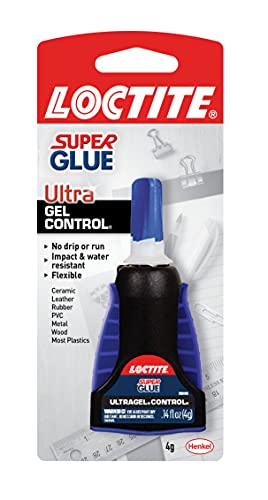
Super Glue Gel (cyanoacrylate) is the solution for precision work. Unlike liquid variants, the gel stays exactly where it is placed, preventing the glue from soaking into the fibers of the shoe and hardening them.
It is perfect for small, non-porous decorations like metal studs or plastic cabochons. It offers a fast, reliable bond that is ideal for quick repairs on the fly.
Be aware that this bond is rigid. If the ornament is placed on a part of the shoe that bends significantly while walking, the glue may eventually crack and fail.
Shoe Goo Repair Adhesive: For Heavy-Duty Wear
Shoe Goo is specifically formulated to withstand the repeated friction and moisture exposure that footwear endures. It functions like a rubbery sealant, making it excellent for reinforcing ornament edges that might snag on debris.
It is less of an adhesive for fine details and more of a structural protector. Use it if the ornament is heavy enough to potentially tear the fabric or pull away from the shoe’s base.
The finish is thick and opaque, so it is strictly for functional, hidden applications. It provides the most longevity in wet or outdoor conditions.
Choosing Glue: Leather vs. Canvas vs. Rubber
The material of the shoe dictates the success of the bond. Leather requires a glue that can penetrate the surface fibers, while rubber soles need a high-tack adhesive that won’t peel away under heat.
- Leather: Use Barge Cement or E6000 for long-term flexibility.
- Canvas: Avoid super glues, as they can cause canvas to tear at the edges of the bond. Use flexible, thick adhesives like Clear Grip.
- Rubber: Use epoxy or specialized Shoe Goo to ensure the bond doesn’t separate due to the rubber’s natural oils.
Always perform a small patch test on an inconspicuous part of the fabric first. Some industrial glues can chemically dissolve synthetic yarn blends or cause localized discoloration.
Prepping Surfaces for the Strongest Possible Bond
A glue bond is only as strong as the surface it clings to. If the shoe is dusty, greasy, or has residual finish from the manufacturing process, the glue will release prematurely.
Lightly abrading the contact point on the shoe with fine-grit sandpaper can significantly increase the surface area. Wipe the area with isopropyl alcohol to remove any oils or manufacturing chemicals.
Ensure the ornament base is also clean and flat. If the bottom of the ornament is curved, consider grinding it flat to ensure maximum contact with the shoe surface.
Safety First: Working With Industrial Adhesives
Industrial adhesives release volatile organic compounds (VOCs) that require caution. Always work in a room with an open window or a fan pushing air away from the workspace.
Wear gloves to prevent skin contact, as many of these glues are designed to bond to human tissue as effectively as they do to materials. Keep a small bottle of acetone nearby, as it is often the only way to dissolve uncured adhesive from unwanted surfaces or fingers.
Store these products in a cool, dry place and verify the expiration dates. Old glue, particularly epoxies and super glues, loses its chemical integrity and will result in a brittle, failing bond.
Flexible vs. Rigid Glues: What’s the Difference?
The fundamental choice in shoe decoration is between a rigid bond and a flexible bond. Rigid glues like epoxies and super glues form a crystalline, unyielding structure that excels in shear strength.
Flexible glues like E6000 and Shoe Goo behave like elastomers, stretching and compressing with the material they bond to. Footwear is a dynamic environment; as the foot moves, the shoe shifts.
Rigid glues applied to high-motion areas will eventually shatter. Use flexible glues for areas that bend and rigid glues for static structural anchors on heels or stiffened toes.
Selecting the right industrial glue transforms a delicate knitting project into a durable, wearable piece of art. By matching the adhesive to the specific material properties of both the shoe and the ornament, you ensure your work withstands the rigors of daily wear. Take the time to prep the surfaces, respect the curing times, and choose your bond based on the movement of the specific shoe section. A thoughtful approach to these tools will keep your creative embellishments firmly in place for seasons to come.