6 Best Sculpting Wires For Flexible Skeletons To Use
Discover the 6 best sculpting wires for flexible skeletons. Improve your armature strength and build durable figurines today. Read our expert guide to start now.
Knitting a character or creature requires more than just the right yarn tension; it demands a structural foundation that brings a design to life. While a tightly knitted amigurumi has its own charm, adding a wire skeleton allows a project to hold a pose, mimic natural movement, and display personality. Choosing the wrong gauge or metal can lead to broken limbs or poked fingers through delicate lace. The following guide explores the best wire options to ensure that your next fiber creation stands strong and remains flexible.
Plusheez Armature Wire: Best Overall Choice
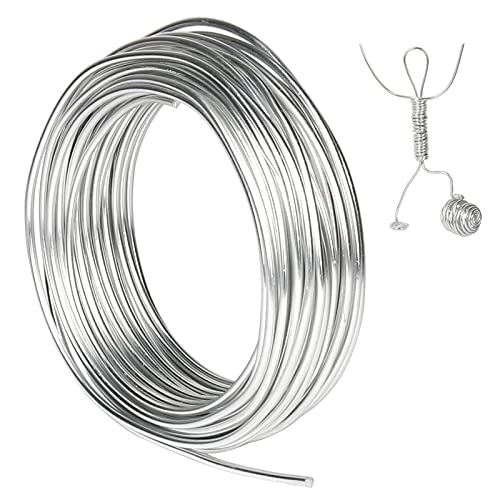

Plusheez armature wire stands out as the gold standard for fiber artists who frequently create poseable dolls and creatures. It balances malleability with structural integrity, meaning it bends easily for the maker while holding its shape under the weight of stuffed limbs.
Unlike hardware store alternatives, this wire is specifically designed to work harmoniously with soft stuffings like poly-fil or wool roving. Its coating is smooth enough that it won’t catch on interior yarn fibers during insertion, preventing the dreaded “snagging” that can ruin a clean finish.
The trade-off is that it can be slightly pricier than bulk industrial wire, but the ease of use is worth the investment. For projects where you need consistent movement without metal fatigue—the snapping that occurs when wire is bent back and forth too often—this is the superior choice.
Darice Paper Floral Wire: Best for Small Toys

When working on miniature amigurumi or delicate, tiny limbs, standard heavy-duty wire often proves too bulky and difficult to manipulate. Darice paper-wrapped floral wire offers a slim profile that fits perfectly inside tight crochet or knitted spaces where bulk would distort the character’s shape.
The paper coating provides a unique advantage: it offers a slight amount of grip against the internal fabric of the toy. This prevents the skeleton from sliding around inside the stuffing, keeping limbs firmly in place exactly where you intended them to be.
Be aware that because this wire is thin, it is not suitable for large-scale sculptures; it simply lacks the core strength to support heavy fiber structures. Use this exclusively for “fingers,” “toes,” or small creatures under five inches tall.
Richeson Aluminum Wire: For Large Sculptures
Large-scale knitted creatures require a significant internal frame to prevent sagging or collapsing under their own weight. Richeson aluminum wire is lightweight yet remarkably rigid, making it the ideal choice for creating a sturdy central spine for a larger project.
Aluminum is an excellent material because it is rust-proof, which is a critical consideration if you are using natural, moisture-sensitive fibers like wool. Even if a project is stored in a humid environment, this wire won’t bleed or degrade your hard work.
While aluminum is easy to cut with standard wire cutters, it can be slightly “springier” than steel. Ensure that joints are twisted securely or reinforced with tape, as this wire has a tendency to want to straighten out if not bent into a strong, locking shape.
Hillman Galvanized Steel: Best Budget Option
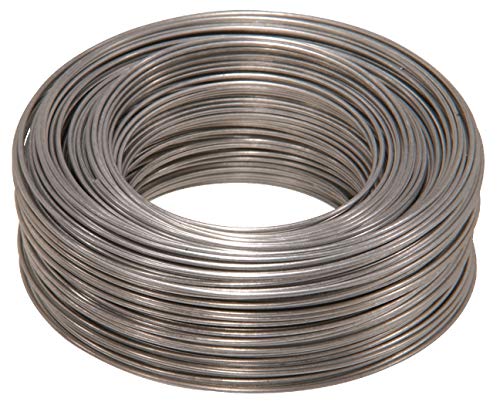
For makers who produce a high volume of work and need to manage material costs, Hillman galvanized steel is the practical workhorse. It is inexpensive, widely available, and strong enough to support most medium-sized projects without much trouble.
The primary drawback is its stiffness; it requires a bit more physical effort to bend compared to aluminum or craft-specific wires. This can be tough on the hands, especially for those who already deal with repetitive strain from long hours of knitting or crocheting.
Galvanized steel is also prone to sharp ends when cut. Always file down the tips or cover them heavily with duct tape to ensure they do not pierce through your fabric or pose a safety risk to the end-user.
ArtMinds Coated Wire: For Child-Safe Toys
Safety is the absolute priority when a project is intended for a child or a pet. ArtMinds coated wire features a thick, protective plastic sheath that prevents the metal core from ever making contact with the surrounding fiber or the outside world.
The coating acts as a cushion, protecting your stitches from the sharp, grinding friction of bare metal. If a child plays roughly with a creature, this wire is less likely to poke through, providing a necessary layer of protection between the hard frame and the soft exterior.
Because the coating adds significant thickness, plan your project’s limb diameter accordingly. You will likely need to adjust your stitch count or use a slightly larger needle size to ensure the limb doesn’t appear stretched or distorted by the skeleton.
Beadalon Artistic Wire: For Delicate Details
Beadalon artistic wire is favored for its extreme versatility and wide variety of gauges. It is particularly effective for intricate facial features, articulated fingers, or tiny antennae where a heavier wire would look clunky and unnatural.
This wire is usually copper-based with a colored finish, meaning it is highly responsive to delicate shaping. It holds fine detail beautifully, allowing you to create subtle expressions in a knitted face that thicker, “slinkier” wires simply cannot mimic.
However, note that very thin gauges can be fragile. Use it for decorative posing rather than structural load-bearing; if your knitted character needs to sit or stand independently, pair this wire with a heavier gauge in the torso.
How to Pick the Right Wire for Your Project
Choosing the right wire is a balancing act between the weight of your yarn and the size of your sculpture. A good rule of thumb is to match the wire diameter to the circumference of the limb being supported.
- Small/Delicate: Use 24-26 gauge wire for fingers and facial features.
- Medium/Articulated: Use 18-20 gauge for arms and legs.
- Large/Load-Bearing: Use 12-16 gauge for the spine and structural supports.
Always consider the fiber content. Acrylic or cotton yarns are generally more forgiving, while delicate mohair or alpaca can show the “texture” of the wire through the stitches if the gauge is too thick. If you are a tight knitter, your fabric will hide the wire better, but you will also struggle more when inserting it through the tight stuffing.
Wire Safety: Tips for Securely Posing Toys
A skeleton is only as good as its construction, and loose, sharp wire ends are the primary cause of project failure. Always fold the ends of your wire back on themselves to create a rounded “loop.”
This simple act prevents the wire from acting like a needle and pushing through your stitches over time. If a wire end feels sharp, wrap the tip in a small bit of medical or electrical tape before sliding it into the stuffing.
For joints, don’t rely on a single strand of wire. Twist two strands together to create a “double-armature,” which provides both strength and a secondary point of failure prevention. If one strand snaps after excessive posing, the other will keep the limb intact.
Building a Wire Skeleton: A Step-by-Step Guide
Start by sketching the skeleton shape on paper to the scale of your finished knitted piece. This ensures that limbs are proportional before you begin cutting and bending.
Next, create a “spine” and branch out into limbs, twisting the wires together at the joints to create a solid anchor. Use pliers to flatten any bulky junctions, ensuring the frame is as streamlined as possible.
Finally, “insulate” the skeleton with a thin layer of quilt batting or roving before inserting it into the knitted shell. This prevents the metal from sliding against the yarn from the inside, which preserves the life of the fibers and prevents the internal structure from shifting.
Essential Tools for Working with Armature Wire
A specialized toolkit makes working with armature wire significantly safer and more precise. You will need a pair of heavy-duty side-cutting pliers for thick steel, and needle-nose pliers for creating tight, professional loops.
A small file or sandpaper is essential for smoothing the ends of any wire you have cut, protecting your project from interior damage. Finally, invest in a roll of high-quality cloth medical tape to bundle wires together; it holds better than plastic tape and won’t degrade as quickly inside a stuffed toy.
Ultimately, the best skeleton is one that is invisible to the viewer but provides the exact support the maker requires. By selecting the right wire and taking care to finish your ends, you ensure that your knitted creations are as durable as they are beautiful.