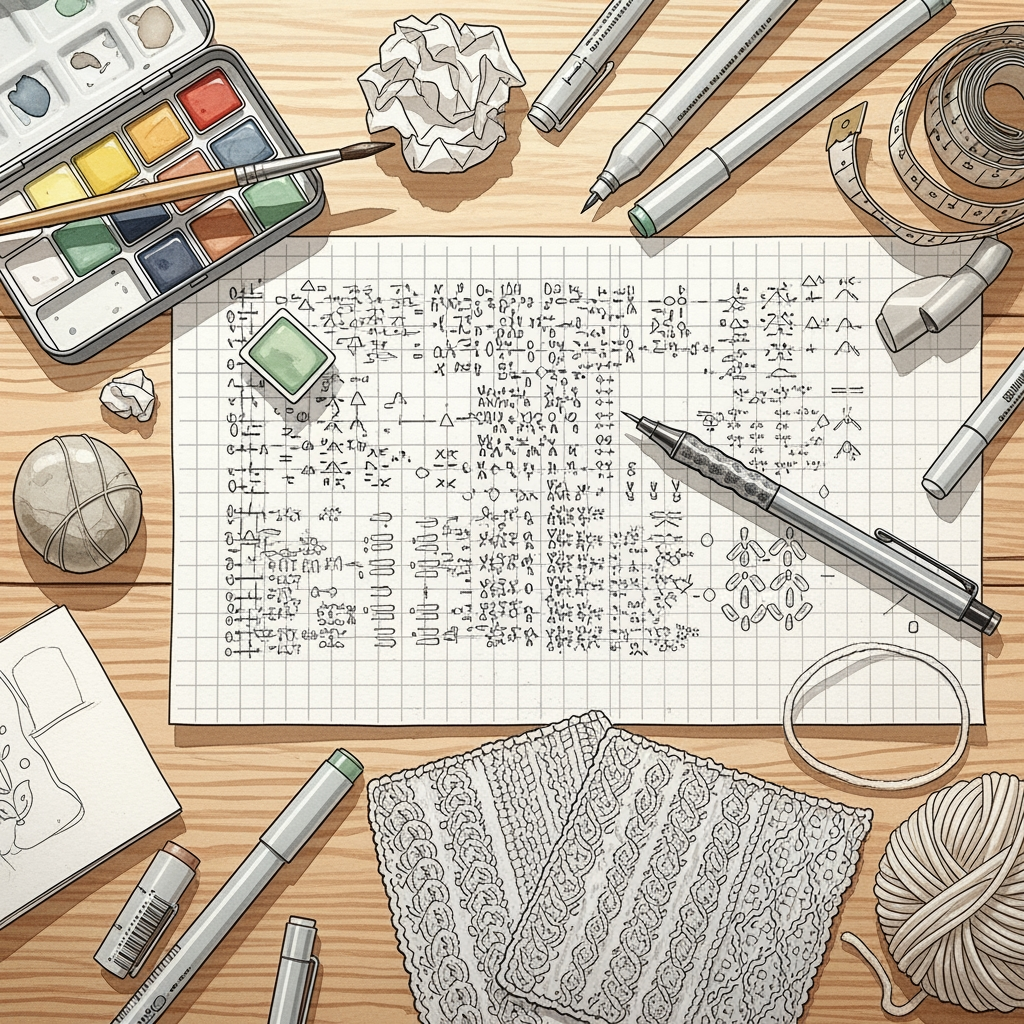
6 Book Stands For Hands Free Sewing To Simplify Projects
Struggle with patterns while sewing? Discover our top 6 book stands for hands-free sewing to simplify your projects and improve precision. Shop your favorite now.
Maintaining consistent focus during complex stitch patterns is a challenge even for the most seasoned makers. Hands-free pattern viewing prevents the constant interruption of looking down, which can inadvertently affect tension and rhythm. By keeping charts at eye level, makers reduce neck strain during long sessions of lace or stranded colorwork. Selecting the right support tool transforms the chaotic workspace of a craft room into an efficient, ergonomic studio.
Readaeer Bamboo Stand: Best for Pattern Books


The Readaeer Bamboo stand offers a sturdy, natural aesthetic that complements a collection of hardbound knitting books. Its adjustable angles are particularly useful when working with heavy reference manuals that refuse to stay open on their own.
Because the unit is built from bamboo, it provides a stable base that won’t slide across a table while flipping through pages. The metal pegs are strong enough to hold thick volumes, yet gentle enough to secure delicate pattern leaflets without tearing the paper.
If you are working through a dense cabled sweater pattern, having this stand at a slight incline ensures the chart remains legible at a glance. It is the gold standard for those who prefer physical books over digital screens.
The Book Seat: Best for Couch and Lap Sewing

Knitting sessions often migrate from the dedicated craft room to the comfort of the sofa. The Book Seat acts as a bean-bag style stabilizer that contours perfectly to the uneven surface of a lap or an armchair armrest.
This is an ideal solution for makers who suffer from shoulder fatigue while trying to hold a pattern book open while simultaneously managing two knitting needles. Its flexible base conforms to the body, keeping the chart steady even if the knitter shifts position to adjust a ball of yarn.
For long evenings spent on stockinette-heavy blankets, this tool allows for a relaxed posture. It is a soft, portable option that prioritizes comfort above all else.
LEVO G2 Floor Stand: Ultimate Hands-Free Pick

The LEVO G2 is a professional-grade investment for the knitter who demands total ergonomics. By using a heavy floor base and an articulating arm, it positions a pattern exactly where it is needed without taking up precious surface area on a side table.
This stand is particularly beneficial for complex colorwork where you must toggle between your needles and the chart every few stitches. Because it hovers, the chart can be perfectly aligned with eye level, preventing the “knitter’s hunch” that often accompanies hours of concentrated work.
While it requires a larger footprint in the room, the trade-off is unparalleled customization. For those with dedicated sewing or knitting studios, this is the final word in ergonomic support.
Amazon Basics Holder: Top Budget-Friendly Choice
Simplicity often wins when it comes to tools that just need to do one job well. This wire-frame holder is lightweight, portable, and gets the job done without unnecessary bells and whistles.
It is an excellent choice for a travel knitting bag because it folds flat and adds virtually no weight. If you frequently take projects to knit nights or retreats, this stand protects your patterns without being a burden to carry.
While it lacks the heavy-duty adjustments of more expensive stands, its minimalist design is perfect for holding a single folded pattern sheet. It is a functional, no-nonsense utility tool that keeps your hands on your yarn.
Lamicall Tablet Stand: For Digital PDF Patterns
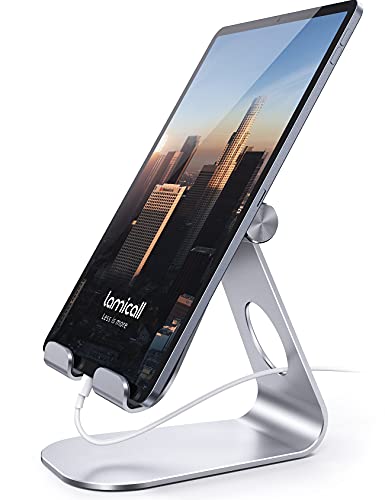
Many modern patterns are purchased as PDFs and viewed on tablets, which requires a stand that can support the weight of a device. The Lamicall stand provides a secure, non-slip grip that keeps a screen stable while you tap to zoom in on intricate charts.
Digital patterns offer the benefit of pinching to enlarge small stitches, but the screen must remain stationary for that to be helpful. This stand features adjustable hinges that hold the tablet at the precise angle needed to avoid overhead lighting glare.
Ensure the stand you choose has enough depth in the hooks to accommodate a tablet case. A stable base is vital to prevent the device from tipping when you brush against it with your project bag.
Actto BST-09 Stand: Most Stylish Craft Room Pick
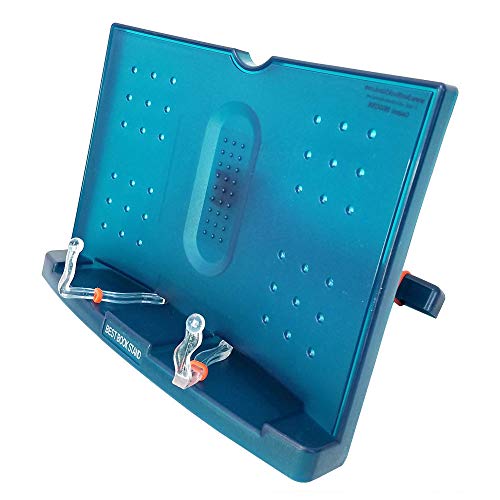
The Actto BST-09 stands out for its compact, folding design that hides away when not in use. Its sleek lines and variety of color options make it a common fixture on the desks of tidy, aesthetics-focused knitters.
Functionally, the stand is remarkably adjustable, allowing you to hold everything from a small postcard-sized stitch guide to a full-sized knitting magazine. It uses a clever hinge system that locks into place, ensuring the weight of a heavy book doesn’t cause it to collapse mid-row.
For those who treat their craft space as a place of inspiration, this stand bridges the gap between form and function. It keeps the workspace organized without feeling like a clinical office tool.
How to Choose the Right Stand for Your Projects
Selecting the right stand depends on the weight and format of the materials you use most. A heavy, encyclopedic stitch dictionary requires a wide, rigid base, while a single-page lace chart can be held by almost anything.
Consider the surface where you knit: * Tables/Desks: Look for stands with rubberized feet to prevent slipping. * Couches/Recliners: Prioritize flexible or bean-bag bases. * High-Volume Projects: Choose stands with strong, adjustable clips to keep pages open.
Avoid assuming that a higher price tag equates to better performance for every project type. A simple wire stand may perform better in a crowded travel bag than a complex, heavy-duty floor mount.
Desktop vs. Floor Stands: Which Is Right for You?
Desktop stands are ideal for knitters who work in a fixed location and prefer to keep their patterns at table height. They are usually more affordable and easier to move from room to room as the light changes.
Floor stands are intended for the serious maker who has designated a permanent “throne” for their knitting sessions. They are superior for ergonomics because they can be raised to eye level, which is critical for reducing neck and upper back tension during long-term projects.
If your workspace is limited, stick to a desktop model that can be cleared away quickly. If you have the space, a floor stand is a long-term investment in your physical comfort.
Using a Stand with Your Sewing Machine Setup
When transitioning between hand-knitting and machine sewing, pattern visibility remains a constant concern. A stand placed next to a sewing machine allows you to verify seam allowances and hem lengths without having to move the fabric away from the needle.
In this context, stability is the most critical feature. You want a stand that will not shake or shift when the sewing machine is running, as any vibration can cause a chart to slide.
Choose a stand with a low profile that fits within the “work triangle” of your sewing station. This keeps your focus on the needle plate while providing a clear line of sight to your instructions.
Why Page Clips Are a Pattern Saver’s Best Friend
Even the best stands can struggle with pages that have a mind of their own, particularly in older spiral-bound books. Strong, non-damaging page clips or magnetic markers are essential for holding specific rows in place.
Look for clips that provide enough tension to keep the paper flat, but have smooth, rounded edges to avoid tearing thin pattern pages. Some knitters prefer magnetic strips that can be moved across a chart row-by-row, which is a lifesaver for complex lace or brioche work.
Never underestimate the utility of simple office supplies like binder clips in a pinch. However, dedicated magnetic pattern keepers are almost always worth the investment for the time saved in resetting your place.
Whether you are a novice working on your first garter-stitch scarf or an expert deciphering a complex intarsia colorwork map, the right stand is a foundational tool. By removing the friction of managing your pattern, you allow yourself to focus entirely on tension, fiber choice, and stitch integrity. Once the setup is perfected, the rhythm of the work flows naturally, turning even the most difficult project into a relaxing and rewarding process.