6 Best Glass Weights For Keeping Books Open To Use
Keep your pages flat and hands-free with our top 6 picks for the best glass weights for keeping books open. Discover the perfect weighted solution for you today.
Tracking a complex lace chart while balancing knitting needles and a tangle of yarn is a challenge every crafter knows well. Relying on a heavy, stable object to keep a pattern book flat eliminates the frustration of pages flipping just as the tension is set for a tricky cable cross. A glass page weight serves as both a functional necessity and a quiet, beautiful workspace companion. Choosing the right tool ensures that focus stays on the stitch count rather than fighting the binding of a book.
Lee Valley Glass Page Weights: Best for Patterns


These weights are designed with a low, aerodynamic profile that sits perfectly flush against a page. Their sheer clarity allows for unobstructed viewing, meaning the stitch symbols beneath remain fully legible even under dim lighting.
The weight distribution is concentrated in the center, providing just enough pressure to flatten stubborn, thick-bound pattern books. For those working through complicated charted cables or brioche patterns, these weights offer the reliability required to keep the eye on the specific row being worked.
Because these are clear glass, they are less likely to distract from the colors of the yarn being used. Opt for this style if the priority is pure, unadulterated visibility of technical instructions.
Levenger Page Weight: The Most Elegant Choice
Levenger weights are recognized for their refined, crystal-clear aesthetic that elevates any knitting table setup. These are typically heavier and more substantial than standard glass weights, providing superior hold for large-format hardback books.
When working with intricate patterns that span two pages, the elongated shape of these weights is particularly effective. It holds the crease firmly, preventing the spine from trying to pull the pages closed mid-row.
These weights serve as a testament to the idea that functional tools should also be objects of beauty. Choose this weight for a professional, polished look that stands up to the weight of thick design books.
NYPL Library Lion Weight: The Perfect Gift Idea
The Library Lion design brings a touch of literary history to the craft room, making it an excellent choice for a dedicated knitter who appreciates heirloom-quality accessories. While decorative, these weights are functional, with a solid glass base that grips pages securely.
The weight is sufficient for holding down most standard-sized knitting magazines and pattern booklets. It serves as a visual anchor on the workspace, keeping the pattern readily accessible even when the desk becomes cluttered with notions, stitch markers, and spare needles.
While perhaps slightly bulkier than minimalist designs, the aesthetic appeal is undeniable. Select this weight for the knitter who enjoys incorporating character and charm into their daily craft routine.
Duncraft Songbird Weight: Best Decorative Style
These glass weights often feature intricate internal etchings that catch the light beautifully. Despite their decorative appearance, the glass is dense enough to hold a single page of a pattern securely without slipping.
For those who knit in bright, natural light, these glass pieces can reflect and sparkle, making the workspace feel more inviting. They are especially useful for keeping small pamphlets or printed downloads open, which are notoriously difficult to keep flat on their own.
They are lighter than professional-grade weights, so keep them reserved for lighter-weight paper or smaller format books. Go with this style if the primary goal is a cheerful, decorative addition to a creative space.
Hand-Blown Dome Weight: For A Unique Style
Hand-blown dome weights offer a classic, magnifying effect that can be a genuine advantage when reading small, dense charts. The curvature of the glass acts as a lens, providing extra clarity for 10-point font or microscopic stitch symbols.
Because each piece is individually crafted, no two weights are exactly alike. This makes them a great option for knitters who value artisan-made tools that mirror the unique, hand-crafted nature of their own work.
The rounded edges ensure there are no sharp points to snag delicate fibers if the weight happens to slide near a work-in-progress. Invest in a dome weight if the primary concern is both holding the page and slightly enlarging the pattern text.
Uncommon Goods Reclaimed Glass: Eco-Friendly
Reclaimed glass weights embody the sustainability often prioritized in the fiber arts community. These pieces are often thick, rugged, and heavy, making them incredibly effective at pinning down unruly books or thick binders.
The texture and slight irregularities inherent in reclaimed glass provide a unique, tactile experience. They feel substantial in the hand, signaling a tool that is built to last through decades of project planning.
Supporting recycled materials aligns the physical tools with the slow-fashion ethos of knitting. Pick this option if environmental footprint is as important as the functional performance of the tool.
Why a Glass Weight is Better Than a Coffee Mug
It is common to see a half-empty mug used as a makeshift book weight, but this is a practice prone to disaster. A glass weight is designed with a flat, stable base that won’t tip over, protecting the knitting project from accidental spills of tea or coffee.
Mugs are tall and top-heavy, which actually prevents them from flattening the center of a book effectively. A dedicated glass weight distributes pressure across the page, keeping the text flat rather than just holding down the outer corners.
Stop risking liquid damage to your project and invest in a dedicated, low-profile weight. It is a simple upgrade that keeps the yarn dry and the pattern flat.
What to Look for in a Good Glass Page Weight
When selecting a weight, focus first on weight density; the goal is to provide enough pressure to keep the book open without tearing the pages. A good weight should be heavy enough to anchor the book but smooth enough to slide across the page without catching on delicate paper edges.
- Weight Density: Ensure it is heavy enough to hold thick paper.
- Surface Texture: Smooth, rounded edges are essential to prevent page damage.
- Base Flatness: A perfectly flat bottom prevents the weight from rocking or sliding.
- Clarity: Clear glass is always superior for reading fine-print charts.
Prioritize weight and smoothness above all else. A weight that lacks sufficient mass will only cause frustration during a long knitting session.
How to Use a Book Weight Without Damaging Pages
The golden rule of using glass weights is to place them gently; never drag them if the paper is thin or fragile. For antique pattern books, consider placing a small piece of acid-free paper between the weight and the page to prevent any potential scuffing.
Always position the weight near the center-fold of the book to maximize its leverage against the binding’s tension. When moving the weight, lift it vertically rather than sliding it, which protects the paper from friction-induced wear.
Use a “lift and place” technique to preserve the longevity of your knitting library. With proper care, these tools will last as long as the collection of patterns they support.
Other Smart Ways to Keep Your Pattern Book Open
Beyond glass weights, there are several clever alternatives that seasoned knitters swear by. A magnetic chart holder uses strong rare-earth magnets to secure the page, which is ideal if you are working with loose-leaf pattern printouts.
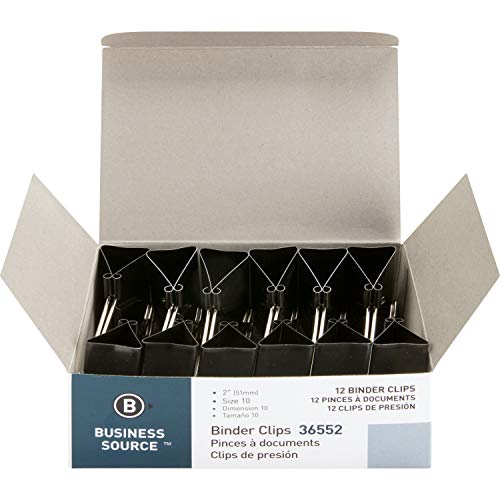
Heavy-duty binder clips can also serve as a utilitarian solution for thicker spiral-bound books. Alternatively, using a dedicated book stand, often sold for cookbooks, elevates the pattern to eye level, reducing neck strain during long periods of colorwork or lace knitting.
Match the solution to the project. A fragile lace pattern requires the gentle touch of a glass weight, while a thick, spiral-bound reference book might benefit more from a robust metal stand.
These tools are not just accessories; they are essential aids that keep the creative process flowing smoothly. By selecting a weight that matches the specific needs of a workspace, the focus remains where it belongs: on the yarn and the needles.