6 Best Moisture-Proof Containers For Wool Storage
Protect your yarn collection with our top 6 moisture-proof containers for wool storage. Shop our expert-tested picks to keep your wool safe from damage today.
Building a stash is an inevitable milestone for any dedicated knitter, but luxury fibers like merino, cashmere, and alpaca require more than just a shelf. Without proper protection, moisture creates a breeding ground for mildew and mold that can ruin years of careful collection. Selecting the right containment strategy ensures that high-quality yarn remains as vibrant and structurally sound as the day it was purchased. This guide explores the best storage solutions to keep precious fiber arts supplies safe from the elements.
Sterilite Gasket Box: Best Overall Airtight Seal


The Sterilite Gasket Box features a silicone seal that creates a reliable barrier against ambient humidity. For those living in damp climates or storing yarn in basements, this seal is non-negotiable.
When the latches snap into place, they compress the seal against the lid to prevent air exchange. This is the closest a standard consumer bin gets to a true vacuum seal, keeping yarn dry and free from the musty odors that often plague long-term storage.
While these boxes are excellent, they do take up significant physical space due to their reinforced construction. Choose this option for your high-value wools that require a climate-controlled environment.
IRIS Weathertight Box: The Most Durable Option
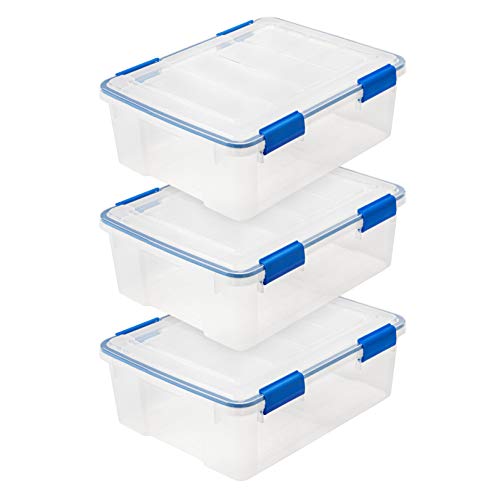
IRIS Weathertight bins are built for those who prioritize structural integrity and long-term protection. The heavy-duty plastic resists cracking even when loaded with heavy sweater quantities of worsted-weight wool.
The weathertight seal is exceptionally robust, making these ideal for storing yarn in garages or attics where temperature swings might cause condensation. Because the plastic is thicker, it holds its shape better than standard totes, preventing the lid from bowing inward over time.
These bins stack exceptionally well due to their squared-off design. If the goal is a permanent, organized library of yarn, the durability of the IRIS line makes it a top-tier investment.
Ziploc Space Bags: Best for Compressing Big Stashes
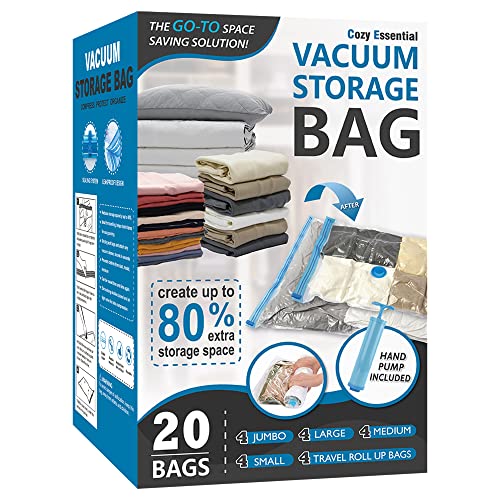
Space bags work by removing excess air, which significantly shrinks the footprint of bulky wool sweaters or large yarn stashes. This is a game-changer for knitters with limited closet space.
However, use caution with delicate fibers. Compression can flatten the loft of wool, particularly in singles or lofty, air-spun yarns, potentially altering the hand of the fiber after long-term storage.
Reserve these bags for hardy, resilient yarns like heavy-duty wool blends or finished blankets. Always ensure the yarn is completely bone-dry before sealing to prevent trapping any residual moisture inside the bag.
Rubbermaid Brilliance: Best for Single Skein Safety

The Rubbermaid Brilliance line is crafted from clear, crystal-like plastic that allows for easy identification of yarn contents without opening the container. The locking latches and internal gasket provide a watertight and airtight seal.
These containers are perfect for isolating single, expensive skeins of lace-weight silk or hand-dyed cashmere. Because they are smaller than traditional bins, they fit easily onto standard bookshelves or craft room desks.
The clear visibility prevents the “out of sight, out of mind” syndrome that leads to forgotten projects. They are the ideal choice for keeping precious, small-batch luxury fibers separate from larger bulk storage.
Hefty Slider Jumbo Bags: Top Flexible Budget Pick

For the budget-conscious knitter, Hefty Slider Jumbo bags offer a convenient way to sort yarns by color or project type. The slider mechanism is far more reliable and easier to seal securely than traditional press-and-seal bag tops.
These bags are not completely airtight or moisture-proof in the same way a gasket bin is, but they provide a necessary layer of protection against dust and moths. They are excellent for short-term project storage.
Use these to keep “in-progress” project bags organized within a larger bin. By grouping yarn, needles, and a printed pattern into one slider bag, the transition from stash to needles becomes seamless.
The Container Store Boxes: Best for Modular Stacking
Modular storage systems from The Container Store provide a clean, professional aesthetic for a dedicated fiber arts space. These boxes are designed to stack perfectly, creating a vertical storage system that maximizes floor space.
The primary benefit is the ability to customize your shelving arrangement. You can select specific sizes to accommodate anything from a single 50-gram ball of fingering yarn to a massive stockpile of wool roving.
The aesthetic uniformity helps in cataloging the stash, making it easier to track what is on hand. If you prefer an organized, boutique-like display for your yarn collection, this is the most effective path forward.
Why Moisture Is Wool’s Number One Storage Enemy
Wool is a hygroscopic fiber, meaning it naturally absorbs moisture from the air. In high-humidity environments, this absorbed water provides the perfect conditions for mold and mildew growth.
Once mildew sets into wool, it is nearly impossible to remove without aggressive washing that can felt or damage the fibers. Beyond mold, damp conditions attract pests like silverfish, which thrive in humid, dark environments.
Maintaining a stable moisture level is essential for preserving the tensile strength and colorfastness of natural fibers. Even in a climate-controlled house, sudden shifts in humidity can trigger a reaction in stored wool.
How to Prep Your Wool Yarn for Long-Term Storage
Before putting any yarn away, ensure it is completely dry. If yarn has been kept in a high-humidity area, allow it to air out in a low-humidity room for 24 hours before sealing it away.
Check all yarn for signs of infestation before placing it in long-term storage. Even a single moth larva can migrate through a bin and ruin the entire collection if not spotted early.
Group yarns by fiber content. Keep superwash and non-superwash wools separate if possible, as non-superwash fibers are often more attractive to pests and more sensitive to humidity fluctuations.
Plastic Bins vs. Vacuum Bags: A Head-to-Head
Plastic bins offer superior protection against physical crushing, making them the best choice for delicate, lofty wools. They allow the fibers to “breathe” slightly while maintaining a protective barrier.
Vacuum bags are strictly for space-saving. They excel at reducing the volume of bulky items like finished blankets or heavy acrylic-wool blends that don’t suffer from long-term compression.
Use plastic bins for the majority of your active stash and reserve vacuum bags for long-term overflow storage. Remember that vacuum sealing can sometimes cause natural fibers to lose their original bounce and loft.
Don’t Forget Cedar and Lavender for Moth Defense
While airtight containers are the first line of defense, adding natural deterrents provides a secondary shield. Cedar blocks and dried lavender sachets are classic choices for keeping moths at bay.
Cedar works by emitting natural oils that repel pests, though it must be sanded periodically to refresh the scent. Lavender provides a pleasant fragrance that also acts as a mild deterrent to common textile insects.
Avoid placing these directly against light-colored or white yarn to prevent potential staining from wood oils or plant matter. Wrap your cedar or lavender in a thin piece of muslin or tissue paper before placing it inside the storage container.
By selecting the right container and consistently monitoring your stash, you can ensure that your hard-earned collection remains in pristine condition for years to come. Whether you opt for modular bins or airtight gasket boxes, the key is consistency in sealing and periodic inspection. Investing in proper storage now protects the significant time and financial investment represented by every skein in your collection. With these tools in place, your next project will be ready to work whenever inspiration strikes.