6 Best Colored Gel Pens For Highlighting Puzzles
Elevate your puzzle-solving experience with our top 6 picks for the best colored gel pens for highlighting. Read our expert review and find your perfect set today.
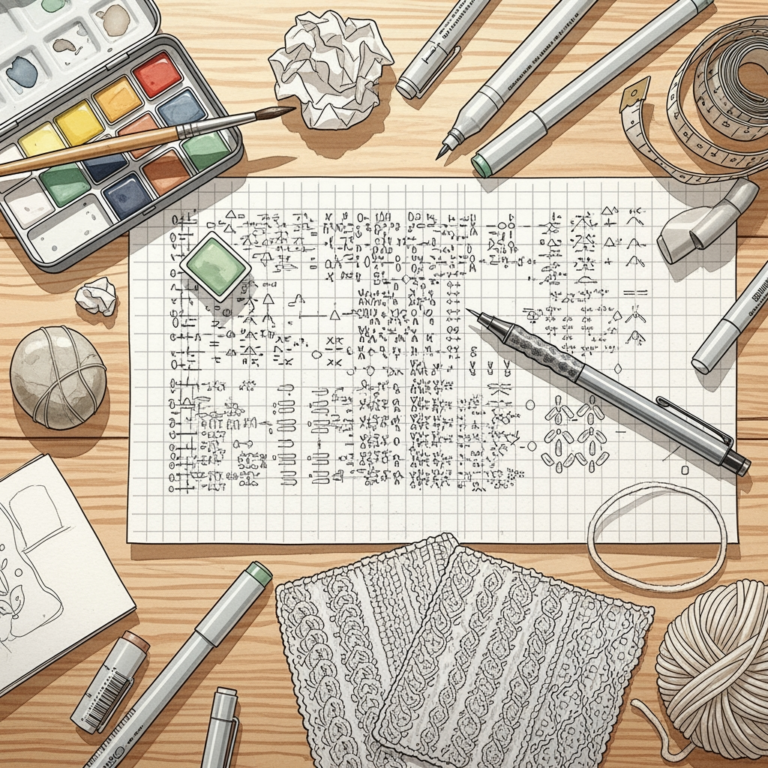
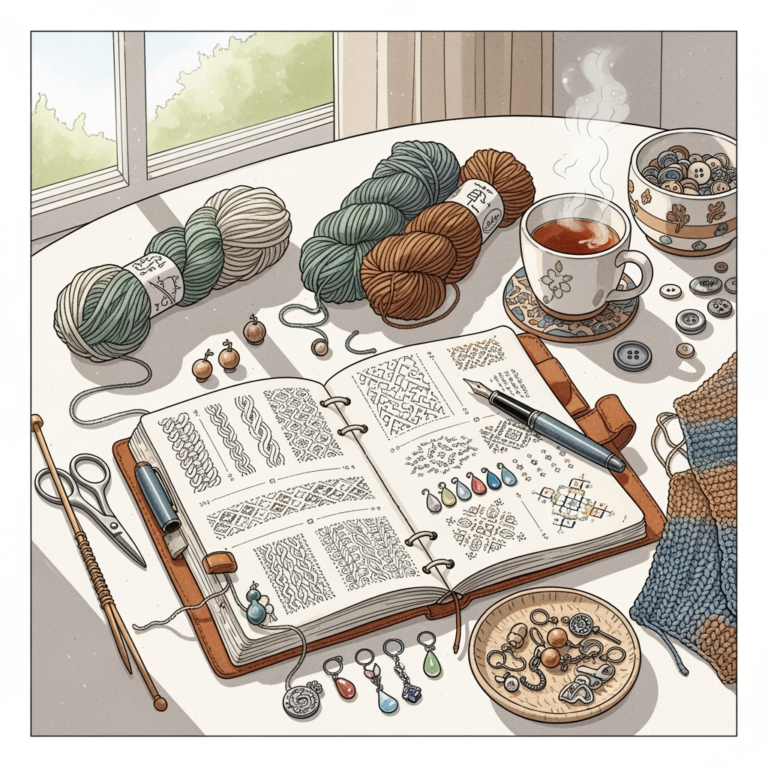
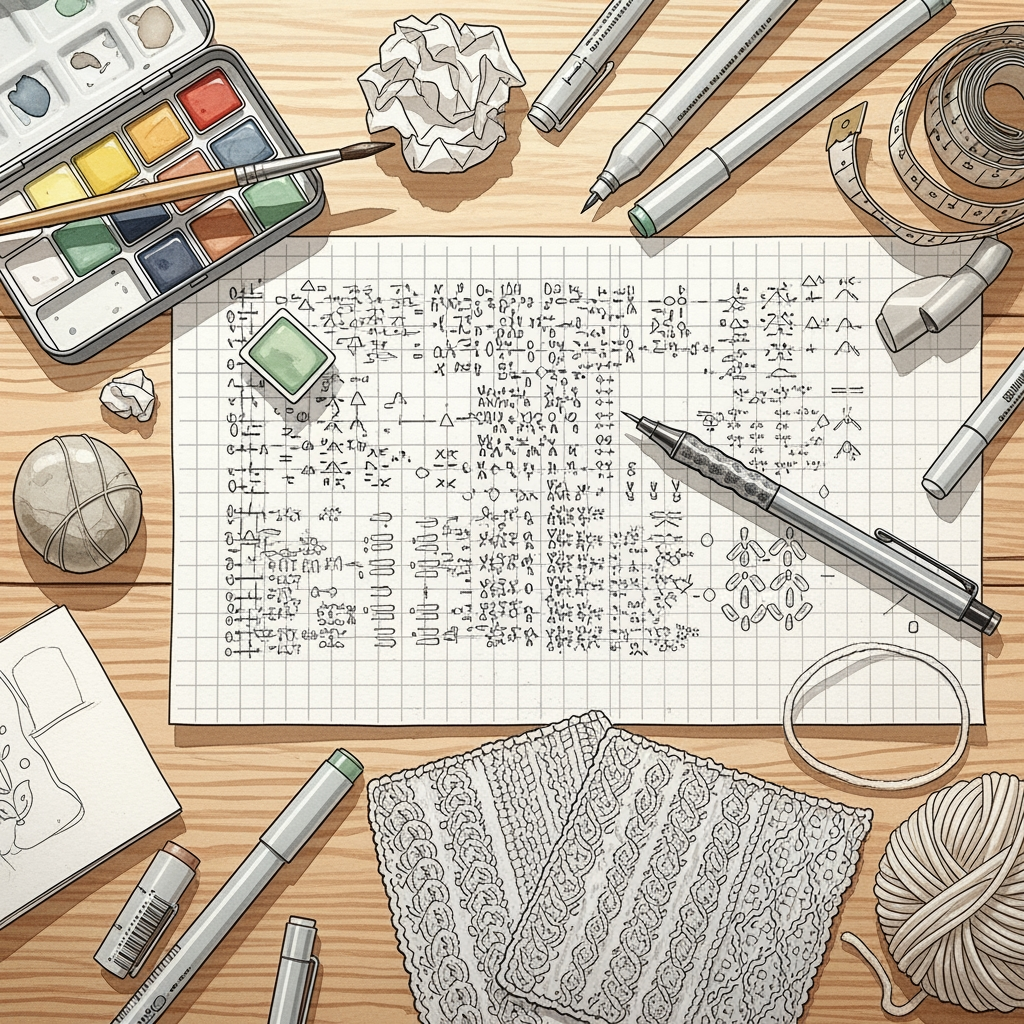
Navigating a complex lace chart or a sprawling intarsia pattern requires more than just high-quality wool and the right needles. Without a clear system for tracking row progress, even the most experienced knitter can lose their place and face the heartbreak of dropped stitches or mismatched cables. Colored gel pens transform a paper pattern into a roadmap, allowing for precise tracking that adapts to the specific visual requirements of the project. Choosing the right pen is essential to ensure that ink does not obscure the symbols underneath or bleed through to the other side of a delicate pattern sheet.
Pilot G2 Pens: The Reliable All-Around Choice


The Pilot G2 is the ubiquitous workhorse of the stationery world for a reason. Its smooth ink flow provides a consistent line that stands out clearly against the black-and-white grid of most printed patterns.
For knitters working on large-scale cables or repetitive stitch patterns, the bold, pigment-based ink ensures that every marked row remains visible even under the dim lighting of a late-night knitting session. The wide range of available colors allows for a sophisticated color-coding system, separating increase rows from decrease rows or section headers.
Be aware, however, that this ink can take a moment to set on glossy or coated pattern paper. If the habit involves moving the pattern around frequently or stacking it inside a project bag, smudging can become a nuisance.
Zebra Sarasa Clip: Best for Vibrant Chart Work
Zebra Sarasa pens feature a rapid-dry, water-based pigment ink that offers exceptional color saturation. This vibrancy is particularly useful for complex stranded colorwork where keeping track of shifting contrast colors is vital to maintaining the intended motif.
The archival quality of the ink means that long-term projects—such as a multi-month heirloom blanket—will remain clearly marked without fading or yellowing. The retractable clip design also prevents the common issue of ink drying out after a week of sitting idle between knitting sessions.
These pens are ideal for knitters who prefer to highlight entire rows or sections rather than just individual stitches. The ink is dense enough to provide a high-contrast background without losing the underlying pattern details.
Uni-ball Signo: Top Pick for No-Bleed Highlighting
When working with patterns printed on thinner paper or double-sided sheets, preventing bleed-through is a primary concern. The Uni-ball Signo utilizes a unique, acid-free gel ink that is engineered to sit on the surface of the paper rather than soaking into the fibers.
This is the preferred choice for those who annotate heavily in the margins of their knitting booklets. The precision tip allows for fine, controlled marks that won’t overwhelm the visual information provided by the designer.
If the pattern requires marking very small symbols, such as those found in intricate lace or micro-knitting, the fine-point options of the Signo are unmatched. It offers a clean, professional finish that keeps the instruction sheet readable even after weeks of heavy use.
Pentel EnerGel: Fastest-Drying for Smudge-Free Rows
Knitting often involves moving quickly from the needles to the chart and back, which is a recipe for accidental ink transfers. The Pentel EnerGel is renowned for its near-instant drying time, making it the safest choice for left-handed knitters or those who tend to rest their hands directly on their patterns.
The ink consistency is remarkably fluid, reducing the amount of pressure required to create a clear mark. This minimizes hand fatigue after a long day of working with heavy needles or tension-intensive yarn.
While the ink is incredibly fast-drying, it is slightly more translucent than other options on this list. It is best suited for highlighting, rather than coloring in large blocks, as it allows the stitch symbols beneath to remain perfectly legible.
Muji Gel Pens: The Minimalist’s Fine-Point Favorite
Muji pens are the gold standard for knitters who prefer a clean, minimalist approach to chart organization. The 0.38mm tip provides an exceptionally fine line that is perfect for navigating dense charts with tiny symbols and tight spacing.
Because the line is so thin, it does not obscure the surrounding stitches, which is a major benefit when dealing with complicated brioche or complex lace repeats. They occupy very little space in a notions pouch, leaving more room for stitch markers, tapestry needles, and measuring tapes.
The downside to such a fine tip is that it can feel slightly “scratchy” on textured or recycled paper stocks. Stick to smooth, high-quality printer paper to get the best performance out of these precise instruments.
Sakura Gelly Roll: Best for Adding a Touch of Sparkle
Sometimes, standard colors aren’t enough to distinguish a critical turning point or a major milestone in a project. Sakura Gelly Roll pens offer a unique range of metallic and glitter finishes that act as a visual “stop sign” for the knitter.
Using a glitter ink to highlight a transition, such as the start of a lace border or a decrease row on a sock gusset, makes it nearly impossible to skip the line by accident. The ink is thicker than standard gel, meaning it sits prominently on the page and provides a tactile, reflective surface.
Use these sparingly, as the thicker ink can take slightly longer to dry and may build up if applied too heavily. They are best reserved for those rows that represent the biggest hurdles in a pattern.
How to Pick the Best Pen for Your Pattern Paper
The interaction between ink and paper is just as critical as the interaction between yarn and needles. If a pattern is printed on standard copy paper, most gel pens will perform well, but cheaper, absorbent paper will cause ink to feather or spread.
Consider these factors before choosing: * Paper Porosity: Higher quality, smoother paper allows for finer lines and faster drying times. * Opacity: If printing on both sides of a page, opt for a lower-flow, thinner ink like the Uni-ball Signo to prevent shadowing. * Coating: If the pattern is printed on glossy or photo-paper, choose an ink that is pigment-based to ensure it adheres to the slick surface without wiping off.
Always conduct a quick swatch test on a blank corner of the pattern sheet before marking an entire row. Finding out a pen bleeds on the first line of a complex project is far easier to mitigate than discovering it on the final repeat.
Gel Pen vs. Highlighter: Which Is Better for Charts?
Traditional wax-based or felt-tip highlighters are often too broad and opaque for technical knitting charts. They tend to obscure the specific symbols—like yarn-overs or slip-stitch indicators—that are essential for tracking the stitch count correctly.
Gel pens offer a significant advantage by allowing the knitter to draw an outline around a stitch or place a small dot, keeping the visual information clear. While highlighters provide a quick visual sweep, gel pens provide the precision necessary for complex cable crossings and intricate increases.
If a project requires tracking row-by-row progress over several weeks, gel ink is also more durable. Felt-tip highlighters often dry out or fade significantly faster than gel-based pigments, leading to uncertainty about where the previous knitting session ended.
Creating a Color Key for Complex Colorwork Charts
For stranded colorwork, a color key is essential. Assign a specific gel pen color to each yarn color used in the project; as each section is completed, mark the corresponding row on the chart using the matching pen color.
This method does more than just track rows; it provides a visual check of the work. If the marked row on the chart contains a color that hasn’t been knit yet, the error becomes immediately apparent before it can propagate through the entire project.
Maintain a small “legend” on the top of the first page of the pattern to keep the system consistent throughout the process. This practice turns the pattern into a permanent record of the project’s construction, which is invaluable for later blocking or troubleshooting.
Tips for Marking Your Place Without Smudging Ink
Prevention is the best approach to keeping both hands and patterns clean. Always work with the pen capped when not in use, and develop a rhythm of marking the chart only after the row is completed and the yarn is secured.
- The Barrier Method: Place a scrap piece of paper under your hand as you mark the chart to catch any stray oils or moisture.
- The Drying Pause: After marking a row, take a thirty-second break to grab a sip of tea; this allows the ink to set fully.
- Storage: Keep charts in a sheet protector once a section is complete. This prevents the ink from rubbing off onto other pages or the inside of the project bag.
By treating the chart with the same care as the finished fabric, the knitting experience becomes significantly more organized. Precision in marking leads directly to accuracy in the stitches, resulting in a cleaner, more professional final product.
Proper tools are the hallmark of a knitter who values their craft, and the right gel pen is a small but powerful investment in project success. By selecting a pen that aligns with the specific paper and complexity of the pattern, you remove unnecessary friction from the creative process and keep the focus where it belongs: on the yarn.