6 Thimbles For Hand Sewing Thick Fabrics To Use
Struggling with tough materials? Discover our top 6 thimbles for hand sewing thick fabrics to protect your fingers and improve precision. Shop your favorite now.
Struggling to push a needle through heavy wool felt, thick canvas, or multi-layered seams can turn a relaxing afternoon of sewing into a painful ordeal. Hand sewing projects that involve dense materials require more than just strength; they demand the right mechanical interface between the fingers and the needle. A high-quality thimble protects skin from piercing pressure while providing the necessary leverage to drive a needle through stubborn fibers. Choosing the correct tool elevates precision and stamina, ensuring that thick fabric projects stay enjoyable rather than becoming a physical strain.


Clover Leather Thimble: The Most Flexible Option

The Clover Leather Thimble stands out for those who find rigid metal thimbles restrictive or uncomfortable. Because it is crafted from soft, pliable leather, it contours to the shape of the finger immediately, allowing for a natural range of motion that metal options often lack.

This flexibility is particularly beneficial when stitching bulky items like heavy-duty wool bags or thick garment facings. It allows the finger to bend naturally, which prevents the fatigue that often sets in during long sessions of repetitive pushing.
While leather provides excellent comfort, it offers less protection against the sharpest of needles compared to steel. Expect some wear on the surface over time, especially when working with high-tension fabrics that require significant force.
Dritz Tailor’s Thimble: Classic and Reliable
The Dritz Tailor’s Thimble represents the industry standard for traditional metal protection. Its deep, embossed dimples are engineered specifically to catch the eye of a needle, preventing slips that often lead to poked fingertips or damaged fabric.
Metal is the superior choice when the resistance of the fabric is high, such as when sewing through multiple layers of heavy denim or dense upholstery weight fabrics. The rigid structure ensures that the force applied is directed entirely into the needle shaft rather than being absorbed by the fingertip.
However, metal thimbles can be unforgiving if the sizing is slightly off. If the fit is too loose, the thimble will slide around, causing frustration; if too tight, it will restrict blood flow during long sewing sessions.
Sailmaker’s Palm: For The Toughest Materials
A sailmaker’s palm is not a thimble in the traditional sense, but it is the ultimate tool for heavy-duty fiber work. It consists of a leather strap that wraps around the palm, featuring a metal plate positioned at the base of the thumb or palm to provide immense leverage.
This design is essential for projects involving thick leather, canvas, or heavy webbing where pushing with a fingertip is physically impossible. By using the strength of the entire hand and arm, the user can drive large needles through impenetrable materials with ease.
It is a specialized tool, however, and carries a steep learning curve. It is best reserved for structural sewing projects rather than delicate embroidery or finishing work on lighter-weight knitted goods.
ThimblePad Dots: Best Minimalist Solution
ThimblePad Dots offer a departure from the traditional ring design by utilizing a simple, adhesive-backed disc of synthetic material. These pads can be placed exactly where the needle strikes, providing protection without the bulk of a full-finger thimble.
This is an ideal choice for those who dislike the feeling of a ring squeezing their finger. They are breathable, lightweight, and maintain a high level of tactile sensitivity, which is vital when working on fine details within a larger, heavier project.
Because they are thin, they are best suited for medium-weight fabrics rather than extremely rigid ones. They are a disposable solution, meaning they will need to be replaced periodically as the needle eventually wears through the adhesive material.
Clover Protect & Grip: Best Ergonomic Design
The Clover Protect & Grip thimble combines the benefits of a hard metal tip with a soft, silicone-like base. This hybrid approach addresses the primary complaint about traditional thimbles: the tendency for the tool to slide off or dig into the skin.
The silicone base provides a secure, non-slip grip that conforms to the finger, while the metal insert ensures that the needle stays firmly in place during the push. It is an excellent middle ground for those who need the protection of metal but the comfort of a flexible material.
The added bulk of the material can feel slightly intrusive if one is accustomed to thin leather or no thimble at all. It is best for those who prioritize stability and protection above absolute tactile feedback.
Sashiko Ring Thimble: For Precision Pushing

The Sashiko ring thimble is a unique tool, typically worn on the middle finger, designed to push the needle using the finger’s base or the side of the pad. It is favored by artisans who require high-speed, repetitive movement through thick layers.
Because it is worn closer to the knuckle than a standard thimble, it allows for a different, more fluid motion. This facilitates a rhythmic “running stitch” technique, which is critical for projects where uniform stitch length is paramount.
It is not designed for brute force in the same way a sailmaker’s palm is. Instead, it focuses on control and efficiency, making it the preferred choice for quilters and embroiderers working on heavier fabrics.
How to Find the Perfect Thimble Size for You
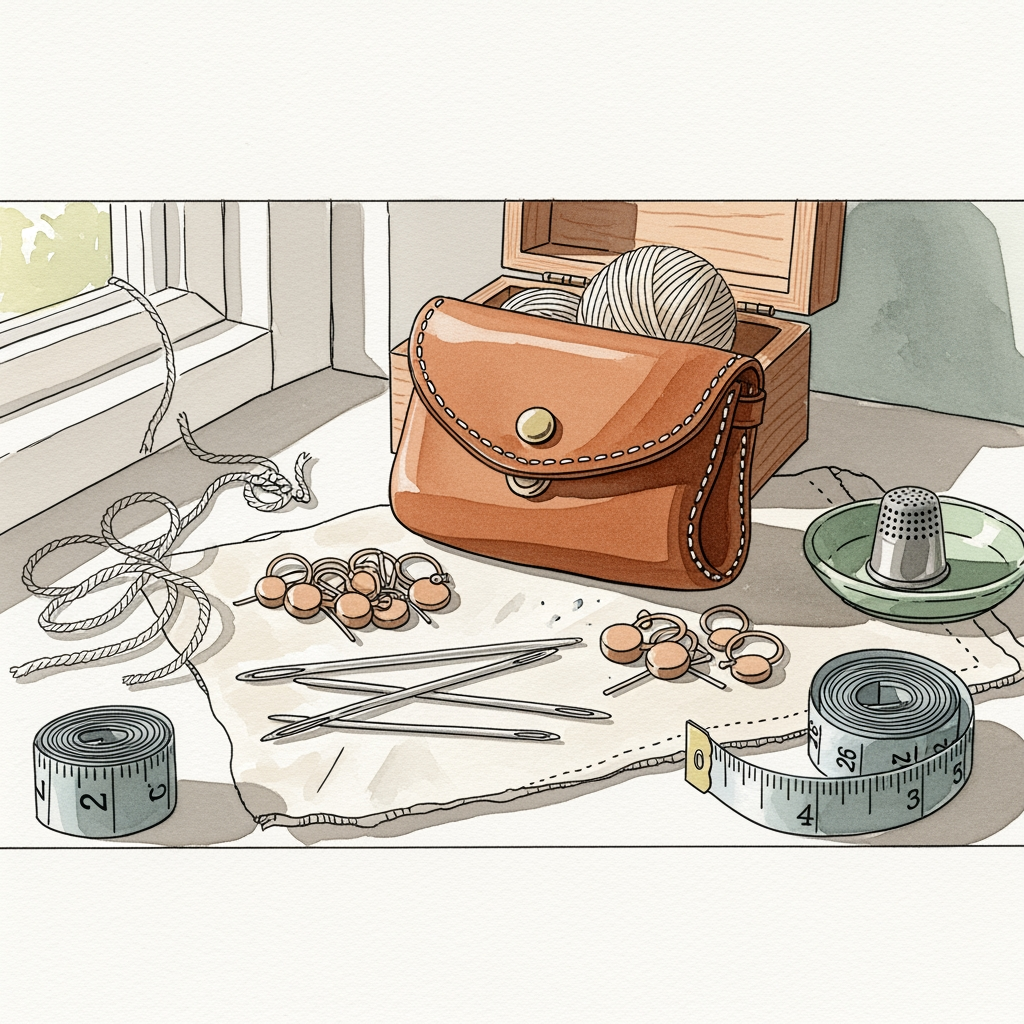
A thimble must fit snugly to be effective; if it rotates or drops off, it ceases to be a tool and becomes a hindrance. To determine the size, measure the circumference of the finger used for pushing, typically the middle finger, using a flexible tape measure.
- Snugness matters: The thimble should stay in place when the hand is pointed downward.
- Joint clearance: Ensure the thimble does not impede the movement of the finger’s middle joint.
- Sizing variance: Sizes differ by manufacturer; always consult the specific brand’s sizing chart before purchasing.
If the sizing sits between two options, prioritize the tighter fit for metal thimbles, as they can sometimes be adjusted slightly with pliers. For silicone or leather, err on the side of a comfortable, secure fit that won’t cause circulation issues.
Metal, Leather, or Silicone: What to Choose
The material of the thimble dictates its performance and longevity. Metal is the gold standard for heavy, piercing work because it provides a solid, unyielding surface for the needle head.
Leather provides a natural, breathable barrier that softens over time, making it excellent for long-term comfort. However, it will eventually develop holes after heavy use with sharp needles.
Silicone and hybrid materials offer a modern alternative, providing a grip that prevents the needle from slipping. These are generally the most comfortable options but may lack the absolute durability of hardened steel for industrial-strength projects.
Open vs. Closed Thimbles: Which One Is Right?
Closed-top thimbles provide maximum protection, covering the entire fingertip to prevent the needle from slipping through. They are ideal for beginners who are still developing the coordination required to control the needle angle accurately.
Open-top thimbles are preferred by experienced sewists, particularly those who prefer to keep their fingernails long or who need the extra airflow to prevent sweat buildup. They also allow for better needle manipulation if the user likes to guide the needle with the tip of their finger.
When choosing between them, consider the project’s specific demands. If the sewing involves intense, high-pressure work where the needle is prone to slipping upward, the security of a closed-top thimble is generally worth the trade-off in breathability.
Using a Thimble Without It Feeling So Awkward
The sensation of a foreign object on the fingertip is the most common reason makers abandon their thimbles. To overcome this, focus on wearing the thimble for short, low-stakes practice tasks to allow the brain to adjust to the change in tactile feedback.
Start by practicing simple running stitches on a scrap piece of thick fabric rather than immediately starting a complex project. This builds the necessary muscle memory to use the thimble correctly without the stress of potentially ruining a garment.
Remember that the thimble is not supposed to be “felt” as a nuisance, but rather as an extension of the finger. If the thimble consistently feels wrong, it is likely the wrong size or the wrong material for the project type.
Selecting the right thimble is a balance of function, protection, and personal preference, much like choosing the correct needle material for a specific yarn. By understanding the distinct mechanics of these tools, one can ensure that every thick fabric project remains as comfortable and controlled as a delicate knitting pattern. Finding the right fit transforms a difficult task into a rewarding part of the creative process.