6 Best Mounting Adhesives For Delicate Needlework
Find the 6 best mounting adhesives for delicate needlework that provide a secure, archival-safe hold. Read our expert guide and choose the right glue today.
After hundreds of hours spent perfecting tension and mastering complex lace charts, the final step of displaying a piece is where many makers stumble. Needlework is an organic, shifting medium, and choosing the wrong adhesive can cause fibers to yellow, warp, or permanently stain. Professional mounting requires a delicate balance between securing the fabric and preserving the integrity of the natural or synthetic fibers. Use this guide to navigate the technical requirements of mounting your handiwork for lasting display.
Lineco Neutral pH Adhesive: Best Archival Glue


This archival-quality polyvinyl acetate (PVA) adhesive remains the gold standard for projects intended for long-term preservation. Unlike standard craft glues that yellow or become brittle over time, this formula dries clear and stays flexible, which is vital when mounting natural fibers like wool or silk that may expand or contract with humidity.
Because it is acid-free, it prevents the chemical migration that causes “foxing”—those small brown spots that ruin antique textiles. It provides a strong, reliable hold without introducing harsh chemicals into the fiber structure.
The tradeoff is the drying time, which is significantly slower than solvent-based glues. Plan to use weighted clips or a clean press while the adhesive sets to ensure the fabric doesn’t shift during the curing process.
HeatnBond UltraHold: Best for a Permanent Bond
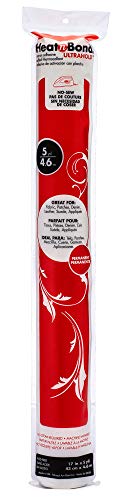
When durability is the priority, such as mounting a heavy, dense tapestry or a high-traffic fiber project, fusible webbing is the go-to solution. HeatnBond UltraHold creates a rigid, structural bond between the fabric and a backing board that stands up to environmental shifts better than liquid glue.
This is particularly effective for thick, multi-ply yarns that might struggle to adhere to a flat surface with simple paste. By using an iron, the adhesive permeates the fiber, ensuring the edges won’t fray or curl over time.
Be aware that heat can alter the appearance of synthetic fibers, specifically acrylics or delicate blends. Always test a small swatch of your yarn or fabric with the iron setting to avoid melting or “glazing” the surface of your project.
Bainbridge Artcare Board: Easiest Pro Finish
Mounting needlework directly onto a specialized backing board, rather than glueing it to a flat surface, is the hallmark of professional framing. These boards utilize a proprietary zeolite technology that actively traps pollutants and acidity, effectively creating a micro-environment that protects the fiber.
Using a pre-treated board simplifies the mounting process because it minimizes the need for wet adhesives. Most makers pair these boards with acid-free stainless steel pins or archival mounting corners to avoid the risks associated with liquid glues altogether.
If the goal is a perfectly flat, taut finish without the risk of “glue-bleed” through delicate lace, a solid board is the superior choice. It offers a cleaner aesthetic and is much more forgiving for beginners who struggle with the precision required for pasting.
Aleene’s Original Tacky Glue: Top Budget Pick
For quick, non-archival projects like decorative hoops or simple wall hangings, this thicker-than-average craft glue is remarkably effective. Its high solids content means it doesn’t soak through fabric as easily as thinner adhesives, making it less likely to leave dark spots on the right side of the work.
It is an accessible, versatile tool for those who keep a well-stocked craft room. It grabs onto fibers quickly, which helps in positioning heavy elements before the glue sets completely.
Do not use this for heirloom-quality pieces, as it is not pH-neutral. Over several years, the glue may degrade and potentially attract dust or moisture, so reserve this pick for items meant to be enjoyed in the short term.
Scotch Acid-Free Tape: Best for Small Pieces
When mounting small, precise items like a tiny cross-stitch or an applique, liquid adhesives often prove too messy. Acid-free double-sided tape provides a clean, dry, and instant bond that keeps the work crisp.
This is excellent for stabilizing small motifs on a mat board before they go into a frame. It allows for repositioning if the alignment is slightly off, which is a significant advantage over liquid glues that set permanently.
Keep in mind that tape has less surface area contact than glue. For large or heavy pieces, tape will eventually fail, so use it primarily for anchoring edges rather than supporting the entire weight of the fabric.
Krylon Easy-Tack: Top Repositionable Spray

Spray adhesives allow for an even, light coating that doesn’t add bulk or change the texture of the fabric. This is ideal for fine-gauge knitting or lightweight silk embroidery where you need a uniform hold across the entire back of the project.
The ability to reposition the fabric within a short window is the primary advantage here. If the fabric aligns poorly on the first try, you can peel it back and adjust without damaging the fibers.
The biggest risk is overspray. Always apply the adhesive in a well-ventilated area away from your fiber stash, as the airborne mist can settle on clean yarn and attract dust or create sticky patches on the fibers you spent hours working on.
How to Choose the Right Mounting Adhesive
Selection should be based on the fiber content, weight, and the intended lifespan of the piece. For natural fibers like silk, wool, or linen, always prioritize archival-rated, pH-neutral adhesives to prevent long-term degradation.
Consider the physical properties of the needlework. Heavy, structured pieces benefit from heat-activated, permanent bonds, while delicate, airy lace is better suited for board-mounting or minimal contact adhesives.
Assess the environment where the piece will reside. High-humidity areas require adhesives that remain flexible, whereas stable, climate-controlled environments allow for more rigid mounting options.
Glue vs. Fusible Webbing: Which is Better?
Glue provides a flexible bond that moves with the fabric, making it suitable for a variety of weights. However, it requires careful application to ensure no bleed-through occurs on the front of the work.
Fusible webbing offers structural stability, which is essential for projects that might sag over time. The tradeoff is the reliance on heat, which can permanently alter the character of certain yarn fibers like mohair or synthetic blends.
Ultimately, use glue for projects that demand a light touch and fusible webbing when you need to transform the fiber into a rigid, board-like element. Both have a place in a well-equipped toolkit.
Prep Your Fabric Before You Mount Anything
Never mount a project directly off the needles without first blocking it. Blocking allows the fibers to relax into their intended shape and ensures your stitch pattern is square and even.
Clean your workspace thoroughly to remove any lint, dust, or oils from your skin. Fiber arts are notorious for attracting debris, and once a stray hair or speck of lint is trapped behind the glue, it is there to stay.
Ensure the fabric is completely dry before applying any adhesive. Even trace amounts of moisture can interfere with the curing process of both glues and fusible webs, potentially causing the bond to fail or the fabric to pucker.
Common Mounting Mistakes and How to Avoid Them
The most frequent error is over-application, which leads to glue seeping through to the front of the fabric. Always start with the smallest possible amount of adhesive, spreading it thin and avoiding the very edges where it is most likely to squeeze out.
Ignoring the weight of the yarn is another common oversight. A heavy, wool-laden project will eventually pull away from a light-tack spray; always match the strength of the adhesive to the density and weight of the fiber.
Finally, avoid rushing the cure time. Even if the glue feels set to the touch, many adhesives need 24 hours to reach full strength. Patiently waiting ensures your hard work stays firmly in place for years to come.
Mastering the art of mounting is just as important as mastering the cast-on. By treating your finished needlework with the same care as your materials, you ensure that every stitch remains a legacy worth displaying. Choose your adhesive with the same intention you choose your yarn, and the results will speak for themselves.