6 Best Book Binding Threads For Restoration Experts
Restore your antique volumes with confidence. Discover our top 6 picks for the best book binding threads and choose the perfect durable option for your project.
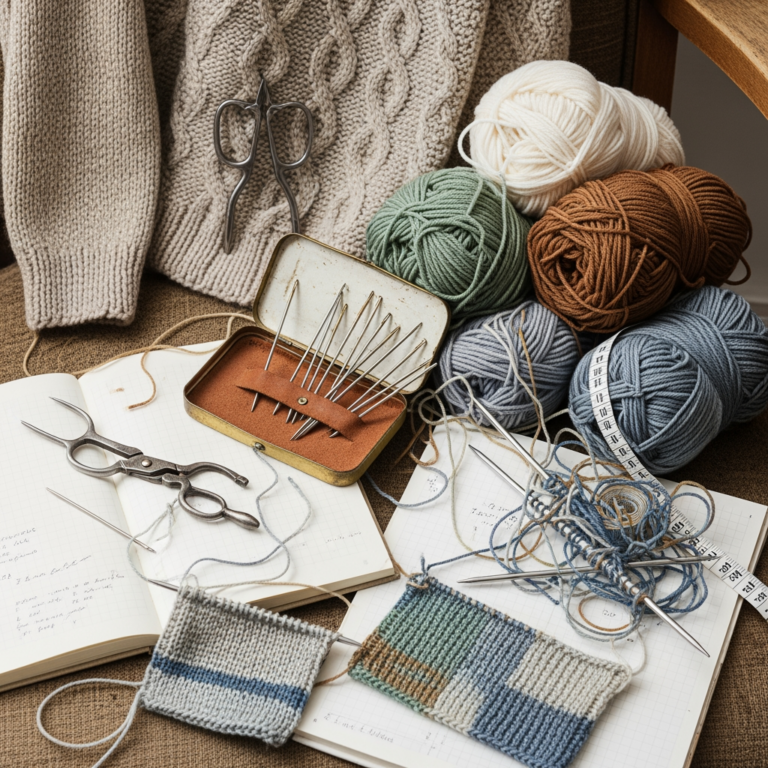
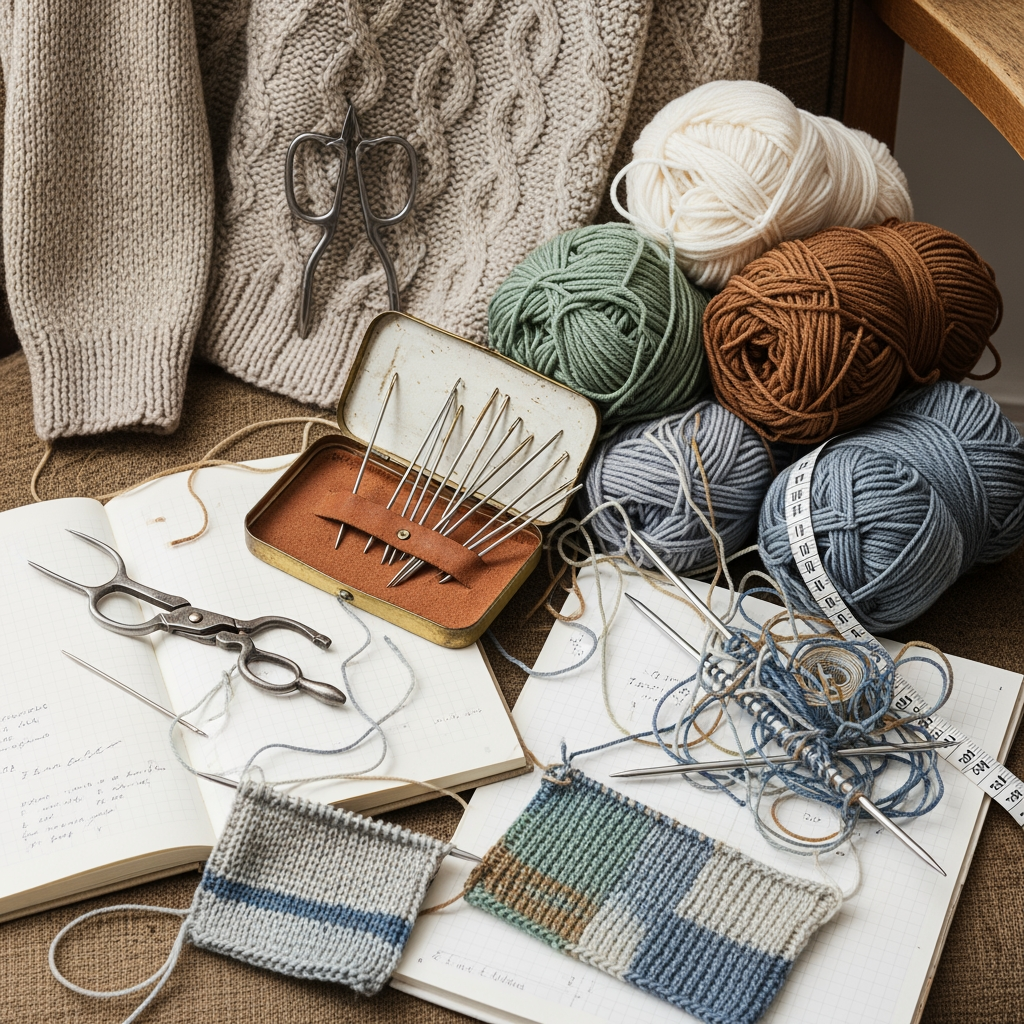
The structural integrity of a bound book relies as heavily on its thread as a hand-knit sweater relies on the tensile strength and twist of its yarn. When restoring heirloom volumes, the choice of thread determines whether a spine will hold for another century or fail under the mechanical stress of opening and closing. Fiber choice impacts tension, abrasion resistance, and the overall longevity of the binding process. Understanding these specific materials ensures that restoration work respects the history of the object while providing a durable, functional repair.
Barbour’s 18/3 Linen: The Restoration Gold Standard


Barbour’s 18/3 linen is widely considered the industry benchmark for traditional bookbinding, much like how a classic worsted-weight wool remains the baseline for measuring sweater durability. It offers a consistent, reliable twist that resists fraying during the repetitive motion of sewing through kettle stitches.
The “18/3” designation refers to the thickness and the three-ply construction, providing an ideal balance between bulk and strength. It settles into the sewing stations without creating unsightly “swell,” which is the unwanted thickening of the spine that can occur if the thread is too heavy for the paper signatures.
While it lacks the extreme sheen of premium luxury threads, its matte finish grips the paper fiber effectively. For those tasked with repairing heavy cloth-bound books, this thread provides the necessary structural backbone.
Crawford Waxed Linen: Best for Heavy-Duty Repairs
Crawford’s waxed linen is the logical choice for large, heavy folios that demand high tensile strength. Much like selecting a high-twist nylon blend for sock knitting to prevent heel wear, choosing this thread prevents the inevitable thinning caused by friction against dense paper edges.
The factory-applied wax coating serves a dual purpose: it eases the thread through punch holes and prevents tangling. This is particularly helpful when working with longer lengths of thread, which are prone to twisting and knotting during the rhythmic back-and-forth of the sewing process.
However, the wax can sometimes be too heavy for delicate, early-century thin papers. Always test a sample to ensure the wax does not bleed into the paper margins or interfere with future adhesive applications.
Fil Au Chinois Lin Câblé: Top Premium Choice

Fil Au Chinois represents the pinnacle of cable-twisted linen, comparable to using a high-end, hand-dyed mulberry silk in a fine lace project. The precision of the twist creates a remarkably smooth, circular thread that glides through needles and paper alike.
Because the thread is so tightly engineered, it offers exceptional resistance to breakage under tension. For intricate restoration work where the thread must be pulled tight against the spine to ensure a compact, neat binding, this material minimizes the risk of snapping mid-stitch.
This is a luxury product intended for high-stakes projects where quality and finish are paramount. It is rarely the choice for mass-repair work, but for a one-of-a-kind restoration, the superior handling makes the investment worthwhile.
Colophon’s Archival Linen: For Museum-Grade Work
Archival-grade linen from Colophon is processed to be acid-free and lightfast, addressing the long-term chemical stability of the materials within the book. In the world of fiber arts, this is the equivalent of choosing pure, un-dyed wool to ensure no chemical migration occurs over time.
These threads are manufactured to meet strict museum standards, ensuring that they will not yellow or degrade the paper surrounding them over several decades. They are the go-to for conservators who prioritize the preservation of the object’s original chemical environment above all else.
Expect a slightly different hand than standard linen; it is often processed to be cleaner and more uniform. This consistency is essential when replacing broken sections of a spine where the new thread must blend seamlessly with the existing, original work.
Gudebrod Polyester Thread: A Strong Synthetic Option
Polyester thread serves as the synthetic workhorse for binders who need high abrasion resistance without the bulk of natural fibers. Much like acrylic or nylon blends in knitting, this thread is virtually indestructible and does not suffer from the same degradation issues as natural fibers in damp conditions.
The primary benefit is its incredible strength-to-diameter ratio. A thin polyester thread can hold as much weight as a significantly thicker linen, making it ideal for books with very tight, narrow signatures where thin paper might be prone to tearing.
Some traditionalists avoid synthetic threads because they lack the “memory” and organic grip of linen. If the goal is a purely traditional restoration, this may not be the aesthetic choice, but for modern library bindings, it is often the most practical solution.
Talas Unbleached Linen: Best Unwaxed All-Rounder
Talas unbleached linen provides a versatile base for those who prefer to customize their thread properties. It acts as a blank slate, similar to knitting with an undyed, untreated wool that allows the maker to control the finishing process, such as blocking or treatment.
Since it is unwaxed, the user has full control over the level of tackiness. One can choose to lightly wax the thread for easier handling or use it raw for a more traditional, firm binding that creates a very tight, solid spine.
This thread is cost-effective and highly reliable for a broad range of project types. It is the perfect entry point for those beginning to stock a restoration toolkit, as it covers 90% of standard bookbinding needs.
How to Pick the Right Thread Weight for Your Book
Selecting thread weight is directly analogous to choosing the correct yarn weight for a knitting pattern. If the thread is too thick, the book will develop excessive swell, making the spine look distorted and preventing the covers from closing flat.
- 18/3 or 18/4: Suitable for large, heavy-weight hardcovers and ledger books.
- 35/3: The standard choice for medium-weight trade books and novels.
- 60/3: Best for delicate, thin paper, pamphlets, or intricate repair work where minimal bulk is required.
Always prioritize the thickness of the paper and the depth of the sewing stations over personal preference. A thread that is too thin will pull through the paper, while one that is too thick will force the signatures apart.
To Wax or Not to Wax: A Bookbinder’s Quick Guide
Waxing thread is a fundamental skill that transforms the handling of the material, much like “taming” a splitty yarn by using specific needle types. Waxing prevents the thread from fraying at the needle eye and provides a smoother glide through the spine.
If the thread is too grippy, it will cause drag on the paper, potentially tearing the holes as the needle passes through. Waxing mitigates this friction and also adds a degree of moisture resistance to the sewing.
However, use caution with excess wax, as it can transfer to the paper and create unwanted translucent spots. Always pass the thread through a small block of beeswax and then run it between your fingers to remove the surplus.
Linen vs. Cotton vs. Poly: Material Pros and Cons
Choosing between fiber types requires understanding the trade-offs in durability, stretch, and longevity.
- Linen: The standard for longevity. It is strong, inelastic, and grips well. However, it can be expensive and requires careful storage to avoid mold in high-humidity areas.
- Cotton: Generally softer and easier to source, but it lacks the tensile strength of linen. It can be prone to stretching, which leads to loose, sloppy bindings over time.
- Polyester/Synthetic: Offers superior strength and immunity to rot, making it ideal for institutional or high-use books. It lacks the historical authenticity and “tooth” of natural fibers, which some find difficult to work with.
Caring For Your Thread: Storage and Handling Tips
Thread is a hygroscopic material, meaning it absorbs moisture from the air. Just as you store yarn in a cool, dry place to prevent mildew and degradation, thread should be kept away from direct sunlight and humidity.
Keep your spools in a sealed container or a closed drawer to prevent dust accumulation. Dust can act as an abrasive, weakening the fibers every time you pull a length off the spool.
When cutting thread, avoid using serrated scissors that fray the ends; keep a sharp pair of dedicated binding shears. Storing thread properly ensures that the strength remains consistent from the first yard to the last.
Mastering the selection and care of binding thread is a hallmark of an expert restorer. By treating these materials with the same attention to detail applied to fine fiber work, you ensure that every book returned to the shelf is as strong as it is beautiful. Whether you opt for the reliability of Barbour’s or the precision of Fil Au Chinois, the right choice remains the silent foundation of every successful restoration.