6 Best Thermometer Probes For Precise Temperature Control
Achieve perfect cooking results with our top 6 thermometer probes for precise temperature control. Explore our expert reviews and upgrade your kitchen toolkit today.
Achieving precise temperature control is the silent partner to successful yarn dyeing. Whether working with acid dyes on protein fibers or immersion dyeing cellulose, maintaining a consistent heat level is the difference between deep, even saturation and patchy, uneven results. A reliable thermometer probe removes the guesswork from the dye pot, ensuring the chemical bond between pigment and fiber occurs exactly as intended. This guide explores the tools necessary to master the chemistry of color.
ThermoWorks DOT: Best for Set-It-and-Forget-It
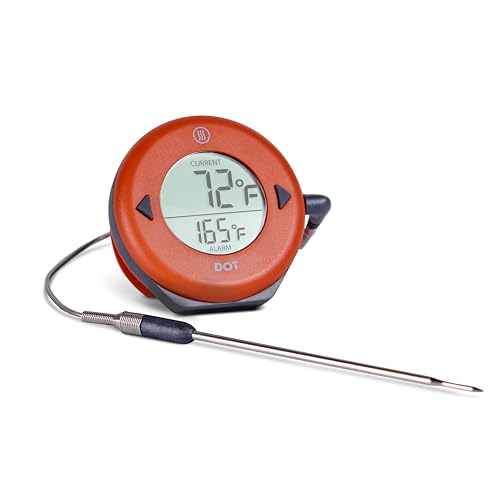

The ThermoWorks DOT excels in situations where the dyer needs to monitor the pot from across the studio. It provides a simple, high-visibility display that shows only the current temperature and a user-defined alarm setting.
Because it lacks the complicated menus of professional lab equipment, it is ideal for those who prefer to focus on fiber prep rather than gadget settings. The probe is durable enough to withstand the moisture and heat of a simmering dye bath.
It serves those who need to maintain a steady simmer for long periods to achieve deep, rich colors on protein-heavy yarns like wool or alpaca. Once the alarm is set, the dyer can return to winding cakes or organizing patterns without fear of the dye bath overheating.
ChefAlarm by ThermoWorks: The Professional’s Pick

The ChefAlarm elevates the dyeing process by including both a high and low-temperature alarm. This is essential for delicate fibers that might felt or become brittle if the temperature fluctuates too aggressively during the mordanting or dyeing phase.
Beyond just the alarms, it features a built-in timer and a backlight for working in low-light conditions. The rugged design ensures that the device can survive the occasional splash of dye-infused water near the stove.
This tool is the choice for serious dyers who manage large batches of yarn where consistency between dye lots is a commercial necessity. It provides the granular data needed to replicate specific colorways with high accuracy every time.
Taylor Precision Digital Probe: Best Budget Digital
For the dyer just beginning to experiment with home-dyed skeins, the Taylor Precision Digital Probe offers the essential functionality of a digital tool at a lower price point. It lacks the bells and whistles of high-end alarms, but it provides a clean, accurate readout of the current temperature.
The design is straightforward and easy to clean, which is a major advantage when dealing with messy pigments. It is the perfect entry-level tool for someone learning how different temperatures impact the exhaustion rate of various dyes.
While it does not have a set-point alarm, its quick response time makes it a reliable companion for spot-checking a pot. It serves the needs of hobbyists who want better results than an analog thermometer but are not ready for a professional-grade investment.
Polder Digital In-Oven: Great All-Around Value
The Polder Digital In-Oven probe is a versatile workhorse that bridges the gap between convenience and cost. Its primary advantage is a long, flexible cord that allows the display unit to sit safely away from the steam of the dye pot.
This design choice protects the electronics from the condensation that frequently rises during the steaming process. It is a robust choice for those who do a lot of space-dyeing or immersion dyeing in deeper vessels.
The interface is intuitive, allowing for quick adjustments mid-process. It is a solid middle-ground tool for any studio that values reliability and ease of use over complex, specialized programming.
CDN ProAccurate Insta-Read: Best for Quick Checks
Sometimes, a dyer only needs to verify the temperature in a specific spot before dropping in a new batch of fiber. The CDN ProAccurate Insta-Read is a handheld device that provides nearly instantaneous temperature readings.
Unlike probe-style units with wires, this is a portable, self-contained tool that can be moved from one dye pot to another in seconds. It is perfect for dyers who work with multiple small vessels simultaneously.
It is particularly useful for checking the temperature of dye stock solutions or rinsing water. While it cannot provide constant, hands-off monitoring, its speed and portability make it an essential secondary tool for any dyer’s kit.
Winco Dial Thermometer: The Classic Analog Choice
The Winco Dial Thermometer represents the reliable, low-tech approach to temperature management. Because it requires no batteries, it will never fail mid-process due to a dead power source.
The analog face is easy to read at a glance, and the stainless steel construction is inherently resistant to the harsh environment of a dye studio. It is the most robust option for those who want a simple, “buy once” tool that works forever.
One must acknowledge that it lacks the precision and alarm functionality of digital counterparts. However, for many traditional dyeing methods where a general temperature range is sufficient, this classic choice is more than adequate.
How to Choose Your Ideal Dye Pot Thermometer
Choosing the right thermometer depends on the specific requirements of the dye projects being undertaken. Dyers working with luxury fibers like silk or mohair require higher precision to prevent fiber degradation, while those dyeing bulk wool for rugs may prioritize durability over micro-adjustments.
Consider the following factors before purchasing: * Wire Length: Ensure the probe cable is long enough to keep the electronic display away from steam and splash zones. * Alarm Capability: Alarms are critical if the dye process requires multi-hour simmering sessions where the dyer might be occupied elsewhere. * Response Time: A fast-reading probe is essential for smaller pots where temperature fluctuates rapidly. * Readability: High-contrast, backlit displays are vital for studio environments with varying light levels.
Digital vs. Analog: Which Probe Is Right For You?
Digital thermometers provide the data-driven accuracy necessary for repeatable results, especially when replicating complex color formulas. They are the clear winner for professionals or hobbyists who keep detailed notes on their dyeing logs.
Analog thermometers, by contrast, offer a simplicity that many dyers find refreshing. They are virtually indestructible and immune to the moisture issues that can eventually plague lower-quality digital units.
If the goal is to standardize color production across multiple sessions, choose digital for the alarm and precision features. If the priority is a tool that requires zero maintenance and offers a long service life, the analog route is the superior choice.
Tips for Accurate Temperature Reading in Dye Pots
Temperature consistency relies on proper sensor placement. The probe should be suspended in the dye bath, away from direct contact with the sides or the bottom of the pot, as these surfaces will read hotter than the liquid itself.
Agitate the dye bath gently and frequently to ensure an even temperature distribution. A static pot will develop hot and cold zones, leading to uneven dye uptake on the yarn, especially with high-twist or tightly packed fiber.
Wait for the reading to stabilize before adjusting the stove heat. Temperature sensors are sensitive, and “chasing” the needle or digital number by adjusting the burner too rapidly often leads to overshooting the target temperature.
Caring for Your Thermometer to Ensure Longevity
The primary enemy of a thermometer in a dye studio is moisture ingress. Always wipe down the probe wire and the connection point immediately after use to prevent dye-laden liquid from seeping into the casing.
Never submerge the display unit of a digital thermometer in the dye bath or sink. Use a damp cloth to clean the casing and store the unit in a dry place when not in use to extend the life of the internal components.
For analog thermometers, occasionally calibrate the device in a pot of boiling water to ensure the needle remains accurate. If the casing shows signs of mineral buildup from hard water, a light wipe with white vinegar will clear the glass without damaging the hardware.
Mastering temperature control is one of the most significant leaps a fiber artist can take toward achieving professional-level results. Whether choosing the high-tech precision of a digital alarm or the rugged simplicity of an analog dial, having a dedicated tool in the dye studio creates a foundation for consistent, beautiful color. Invest in quality, maintain the equipment with care, and enjoy the confidence that comes with complete mastery over the dye pot.