7 Best Beeswax Blocks For Lubricating Tools To Use
Keep your equipment moving smoothly with our top 7 beeswax blocks for lubricating tools. Discover the best picks for your workshop and shop the list today.
Nothing stops the flow of a complex cable pattern faster than sticky needles or a snagged stitch. Applying a light coating of beeswax to knitting needles, crochet hooks, or sewing scissors can instantly reduce friction, allowing fibers to glide effortlessly across the surface. While many options exist, choosing the right consistency and purity is essential to ensure no waxy residue transfers onto delicate yarns like mohair or high-twist merino. This guide examines the best beeswax blocks available to help maintain your essential tools and improve the rhythm of your crafting.
Dritz Beeswax with Holder: Best for Sewists


This classic choice remains a staple in sewing kits for good reason. The included plastic holder serves as an effective dispenser, protecting the wax from dust and lint while keeping fingers clean during application.
Because the wax is encased, it is remarkably easy to run a needle or a pair of scissor blades through the slots without making a mess. It provides just enough lubrication to help a needle pierce through dense fabrics or layered quilting projects.
For knitters, this is an excellent tool for coating the tips of wooden needles that have lost their original sheen. It creates a smooth barrier that prevents yarn drag without leaving a heavy, oily film.
Singer Thread Wax and Conditioner: Top Value Pick

Budget-friendly and widely accessible, Singer thread wax is a reliable standby for those who frequently work with sticky natural fibers or heavy-duty threads. It is firm enough to last through many projects without crumbling or breaking apart.
The wax provides a smooth, consistent finish that helps prevent thread fraying and static buildup. If working with cotton yarn that feels slightly “thirsty” or prone to friction, a quick pass of this conditioner over the needle tips will restore a slick, polished feel.
Be aware that this wax is slightly denser than premium artisan blends. Use it sparingly to avoid buildup, especially when working with dark-colored yarns that might highlight any excess residue.
Thread-Heaven Thread Conditioner: Most Versatile

Though technically a synthetic conditioner, this product often sits alongside beeswax in the tool kits of seasoned fiber artists. It offers a unique, non-toxic formula that remains stable across various temperatures, unlike pure beeswax which can soften in the heat of a summer knitting session.
It excels at preventing snags when working with complex lace patterns or slippery bamboo needles. Because it is designed specifically for thread, it leaves almost no visible trace, making it ideal for delicate finishing work like weaving in ends or sewing on buttons.
This is the preferred choice for knitters who worry about potential wax transfer or discoloration on light-colored wool. It provides that essential “slide” without the risk of an overly heavy application.
Glimmer & Glow Pure Beeswax Bars: Best for Bulk
For those who maintain a large collection of needles or frequently sharpen their own tool sets, these larger bars offer superior value. These bars are typically processed with fewer additives, resulting in a cleaner, more natural product that smells faintly of honey.
The larger surface area is ideal for quick maintenance sessions where every needle in the project bag needs a refresh. Because they lack a plastic housing, they can be easily stored in a small tin, making them a portable option for travel knitting kits.
Pure beeswax is excellent for conditioning wooden needle points that have become dry or splintery over time. It helps seal the grain of the wood, resulting in a smoother, more durable surface that resists wear.
Clover Thread Waxer: Easiest to Use Design

The Clover waxer is a favorite for those who prioritize convenience and cleanliness. The design features a clever inner mechanism that feeds the wax up as it wears down, much like a lipstick tube.
This enclosure ensures that the wax remains free from contaminants, which is vital when working with delicate silk or cashmere fibers. Any bit of grit caught in the wax could potentially damage the yarn structure or transfer onto your work.
It is particularly useful for knitters who struggle with hand fatigue or fine motor issues. The grip is comfortable, and the application is precise, ensuring that only the necessary amount of lubricant touches the tool.
Johnny’s Beeswax Blocks: For Woodworking Tools

While primarily marketed for woodworkers to keep saw blades and drills moving, these blocks are heavy-duty enough for the most stubborn knitting tool maintenance. If a pair of old, stiff metal needles is causing yarn to catch, the density of this wax will provide the necessary lubrication.
The wax is firm and substantial, designed to withstand the heat generated by power tools, which translates to extreme durability on knitting needles. It will not melt or become tacky even when working in warm environments.
Use this product carefully; a little goes a very long way. Because it is highly concentrated, apply it to a soft cloth first and then buff the needle rather than applying the block directly to the tool.
Rob’s Beeswax Blocks For Saws: Heavy-Duty Pick
Rob’s blocks are engineered for those who demand a high-performance, long-lasting lubricant for their gear. These blocks are incredibly dense and are formulated to stay put even under high-friction conditions.
When dealing with large, heavy projects—such as blankets or rugs worked on large, heavy needles—this wax ensures a smooth glide despite the weight of the project. It effectively reduces the resistance that builds up when you are pushing a lot of yardage across the needle shaft.
This is an industrial-strength solution, best suited for the serious crafter who maintains their tools with the same level of intensity as their work. It is an excellent investment for extending the life of vintage needle sets.
How to Properly Apply Beeswax to Your Tools
Effective lubrication is all about moderation, as too much wax can attract lint and dust that will eventually interfere with your tension. Always start by ensuring your needles or scissors are clean and free of existing residue.
Gently rub the beeswax block along the shaft of the needle or the blades of the scissors, using short, light strokes. Avoid piling it on, as a thin, invisible layer is far more effective than a thick coating that feels waxy to the touch.
After application, use a soft cotton cloth or a scrap of felt to buff the tool. This distributes the wax evenly and removes any excess clumps, leaving behind a smooth, polished finish that facilitates a consistent knitting gauge.
Beeswax vs. Synthetic Waxes: Which to Choose?
Natural beeswax offers a wonderful, traditional feel and a pleasant, subtle scent that many knitters prefer. It is biodegradable and generally safe, though it can become tacky in high humidity or warm weather conditions.
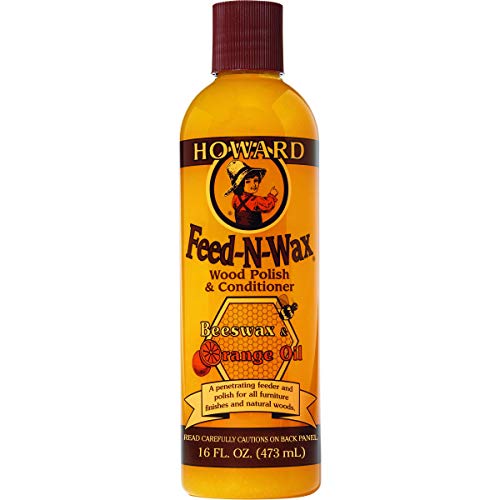
Synthetic conditioners or waxes, such as those made from silicones or high-grade polymers, are generally more stable and less prone to attracting dirt. They are often clearer than beeswax, which is a major advantage when working with very light-colored or white yarns.
The choice largely depends on your project’s fiber content and the environment in which you typically knit. If you are working on a long-term, heirloom project, stick with a high-quality, refined beeswax for its natural properties.
Caring for Your Beeswax Block for Long Life
To keep your beeswax in prime condition, store it in a cool, dry place away from direct sunlight. High temperatures can cause the wax to soften and lose its shape, while extreme cold can make it brittle and prone to cracking.
Always store your wax in an airtight container or a small tin to prevent it from picking up dust, fibers, or hair from your workspace. If the surface of the block becomes dirty, you can gently shave off the top layer with a clean butter knife to reveal fresh, usable wax underneath.
Keep your wax separate from your yarn storage to avoid any accidental transfer of scent or residue. With proper storage, a single block can last for many years, becoming a trusted tool that follows you through countless finished objects.
Selecting the right beeswax for your knitting tools is a simple step that significantly elevates the crafting experience by ensuring smoother stitches and less physical strain. By maintaining your needles and scissors with care, you preserve the longevity of your favorite implements while keeping your workflow fluid and frustration-free. Experiment with these options to find the texture and application style that best complements your unique knitting habits and project needs.