6 Best Sandbag Fillers For Custom Weight To Use
Find the 6 best sandbag fillers for custom weight to optimize your workouts. Choose the perfect material for your training needs and start building strength today.
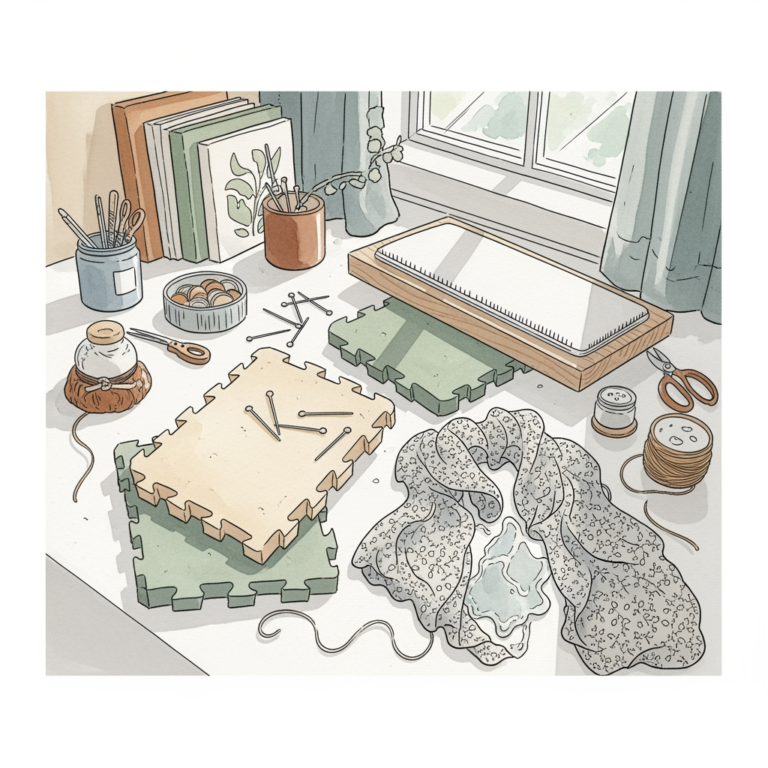
Blocking boards and specialized equipment often require consistent weight to maintain tension during the setting process. Achieving the perfect structure for a weighted bag depends entirely on the density and texture of the filling material used. Selecting the wrong medium can lead to shifting weight, dust accumulation, or even damage to delicate fibers. Finding the balance between stability and ease of handling is essential for any studio environment.
Play Sand: The Best Budget-Friendly Filler


Play sand remains the industry standard for creating affordable, heavy-duty weights for blocking mats and lace stretching. Its fine grain ensures that the bag conforms easily to the contours of a flat project, providing a stable base that won’t shift during delicate pinning.
Because it is highly dense, sand provides significant weight in a small footprint, which is ideal when space on the blocking table is limited. However, moisture is the primary concern; damp sand can promote mold growth that might transfer to protein fibers like wool or silk.
Always ensure the sand is completely dry before sealing it inside a liner. To prevent leaks that could mar a project, double-bag the sand in heavy-duty plastic before inserting it into the final fabric casing.
Steel Shot: For Maximum Weight in a Small Bag
Steel shot offers the highest density of any common filler, making it the preferred choice for compact, heavy weights. When working with fine, slippery yarns like silk or bamboo blends, these dense weights hold pins securely in place without requiring a massive, bulky footprint.
The primary advantage of steel is its resilience; it will not compress or shift over time, ensuring the weight remains consistent for years of blocking. However, steel is significantly more expensive than organic or mineral fillers and requires careful handling to prevent scratching furniture surfaces.
Given its non-porous nature, steel shot is immune to moisture and pests, making it a permanent investment for the studio. Ensure the fabric used for the bag is tightly woven to prevent the metal from wearing through the casing over time.
Aquarium Gravel: A Dust-Free and Clean Choice
Aquarium gravel is an excellent alternative to play sand for those who worry about fine particulates infiltrating their yarn stash. Since it is tumbled and cleaned, it lacks the dusty residue that often coats play sand, keeping the studio environment much cleaner.
The larger particle size means the bag will be slightly less fluid than one filled with sand, but it remains highly effective for basic blocking tasks. Its uniform shape allows for a more predictable weight distribution, which is useful when working with heavy gauge wools that require significant tension.
Consider the aesthetic and texture of the bag when using gravel, as the edges can be slightly sharper than sand. Use a thicker liner, such as heavy cotton canvas, to ensure the gravel remains contained and does not create uncomfortable pressure points against the fabric being blocked.
Poly Pellets: The Best Washable & Kid-Safe Pick
Poly pellets are small, smooth plastic beads designed for stability without the weight of mineral-based fillers. While they won’t provide the heavy tension required for aggressive lace blocking, they are ideal for lightweight patterns or weighted neck pillows used to reduce knitting fatigue.
Their biggest strength is their inert nature, as they are waterproof, mold-resistant, and machine-washable. For those who share a craft space with children or pets, the non-toxic, contained nature of plastic pellets offers significant peace of mind.
Understand that these pellets are much lighter than sand or steel, meaning a larger bag is required to achieve the same amount of downforce. If the goal is heavy-duty tension, look for glass beads instead, which provide similar safety benefits with a higher weight-to-volume ratio.
Rice or Legumes: A Quick Pantry-Sourced Filler
Dried rice and beans are accessible, inexpensive fillers that work in a pinch for temporary blocking needs. They provide a satisfying, firm weight that mimics the behavior of sand quite closely, making them a suitable stop-gap for immediate projects.
However, these materials are organic and prone to attracting pests or absorbing ambient humidity in the air. Over time, rice can break down, creating a fine powder inside the bag that might eventually leak through the weave of the fabric.
Treat these as temporary solutions rather than permanent studio staples. If a bag feels soft or emits a scent, it is time to discard the contents and replace the inner liner to avoid introducing pests into the fiber stash.
Crushed Walnut Shells: A Natural, Hefty Option
Crushed walnut shells offer a unique middle ground, providing a dense, hefty fill that is natural and eco-friendly. Often found in pin cushions for their ability to keep needles sharp, they work equally well as weighted inserts for blocking bags.
The particles are angular, which helps them lock together to create a very stable, firm weight. This stability is excellent for keeping a garment in place while working on complex construction or sewing on heavy buttons.
Be mindful of potential allergies, as walnut shells are a tree nut product. While they are usually processed to be safe, individuals with severe contact sensitivities should stick to mineral or synthetic fillers to ensure their health is not compromised during long knitting sessions.
How to Choose the Right Filler for Your Project
Selecting a filler comes down to the specific weight requirements of the project. Heavy lace work or high-tension blocking requires the high density of steel or sand, while minor adjustments for sweater sizing benefit from lighter, manageable options like poly pellets.
Consider the environment in which the weights will live. If the studio is prone to humidity, avoid organic fillers like rice entirely to prevent mildew from settling into the fabric of the finished projects.
Evaluate the physical demands of the bag itself. A heavy bag requires a robust, reinforced closure, whereas a lighter bag can be sewn with standard construction methods. Balance the effort of sourcing the filler against the expected lifespan of the weighted tool.
Filler Safety: Avoiding Mold, Pests, and Leaks
Safety in the studio extends to the equipment used to process finished work. Mold spores are the silent enemy of protein fibers, so always ensure that any filler is completely dehydrated before being sealed in a bag.
Leaks are another common frustration, often caused by sharp-edged fillers wearing down the inner liner. Use a double-bagging technique, placing the filler in a high-density freezer bag or a heavy-duty canvas liner before slipping it into the final decorative cover.
Regularly inspect the seams of the weighted bags for signs of wear. If a seam begins to pull or fray, repair it immediately to prevent internal fillers from scattering onto the floor or, worse, into the fibers of a freshly blocked project.
Best Fabrics & Liners for Your DIY Sandbags
The success of a weighted bag depends as much on the fabric as it does on the contents. Tight-weave cotton canvas or heavy-duty denim are the best choices because they prevent dust migration and resist the abrasive action of internal fillers.
Avoid lightweight synthetics or loosely woven linens, which are prone to stretching and splitting under the stress of the filler’s weight. For the best results, use a non-stretch fabric that maintains its shape even when handled frequently.
If the weights are intended to be moved often, consider adding sturdy webbing handles. This allows for precise positioning of the weights on the board without putting unnecessary strain on the fabric panels or the seams.
Weight vs. Volume: A Filler Density Comparison
Understanding density is critical for predicting the size of the finished weight. Steel shot requires the least volume for a specific weight target, whereas poly pellets require a significantly larger bag to achieve the same result.
| Filler Type | Density | Best For |
|---|---|---|
| Steel Shot | Highest | Heavy tension, lace, minimal footprint |
| Play Sand | High | Budget blocking, general stability |
| Crushed Walnut | Medium-High | Natural, firm, stable weight |
| Aquarium Gravel | Medium | Clean, reusable, predictable weight |
| Poly Pellets | Low | Ergonomic aids, light weight |
| Rice/Legumes | Medium | Temporary, quick-access weights |
Adjust the pattern dimensions accordingly based on the density of the chosen filler. A pattern designed for sand will result in a comically undersized bag if filled with lightweight poly pellets, so measure the required volume before sewing the final casing.
Choosing the right filler transforms a simple weighted bag into a precise tool that enhances the quality of every finished piece. By prioritizing stability, moisture resistance, and fabric integrity, the process of blocking becomes a seamless part of the knitting experience. Take the time to select a medium that matches the demands of the studio, and these weights will serve as reliable companions for years of successful projects.