6 Best Decorative Labels For Craft Supply Inventory
Organize your workspace with these 6 best decorative labels for craft supply inventory. Upgrade your storage system today and find your materials with ease.
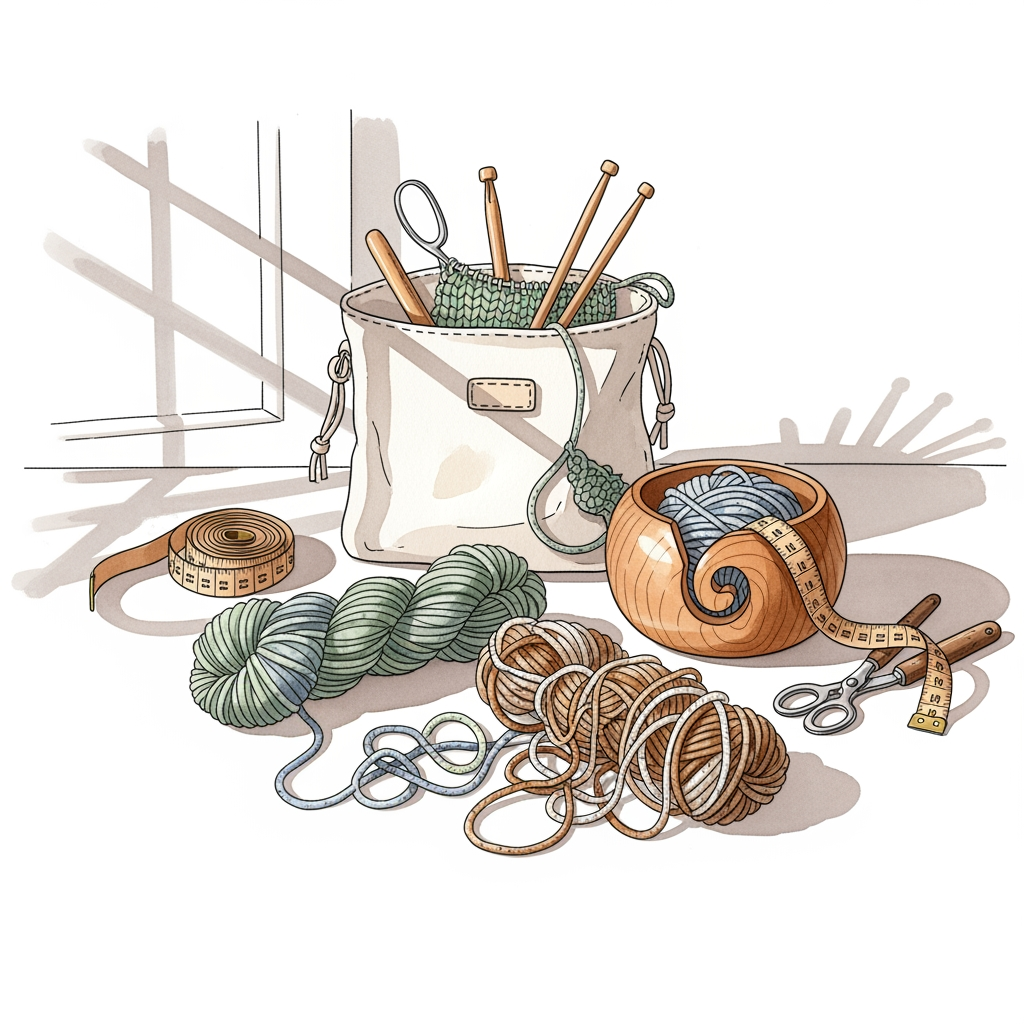
An overflowing yarn stash is a badge of honor, but it quickly turns from a creative resource into a disorganized headache without a system. When that beautiful skein of hand-dyed merino gets buried beneath a pile of acrylic leftovers, valuable inspiration is lost. Effective labeling transforms a chaotic closet into a curated library of fibers, weights, and potential projects. These six solutions offer the structure needed to keep every yard accounted for and ready for the needles.
Evermine Kraft Paper Labels: Best Rustic Vibe


Kraft paper brings a timeless, organic aesthetic that pairs perfectly with natural wools, linens, and alpaca fibers. These labels feel right at home alongside wooden knitting needles and notions cases.
The texture of the paper allows for easy writing with pens, markers, or even stamps. Because the material is porous, ink dries quickly without smudging, making it ideal for scribbling down dye lot numbers or washing instructions on the fly.
Keep in mind that adhesive-backed kraft paper can lose its stick over time if stored in a high-humidity environment. For long-term yarn storage, reinforce these labels with a small piece of clear tape to ensure they stay attached to your bins.
Cricut Printable Vinyl: For Custom Designs
Printable vinyl is the gold standard for knitters who want a uniform, professional look for their entire collection. It allows for the inclusion of specific technical details like fiber content, WPI (wraps per inch), and suggested needle sizes on every single label.
Designing custom layouts means you can prioritize the information that matters most to the project at hand. If the goal is to track swatching results, create a template that includes a dedicated space for gauge measurements.
The primary tradeoff is the requirement for a cutting machine and printer setup. While this is a larger initial investment, the ability to reprint a label if a yarn bin is repurposed provides unmatched flexibility.
Avery Chalkboard Labels: For Flexible Stashes
Chalkboard labels offer a reusable solution for knitters who frequently rotate their yarn inventory. They are excellent for glass jars or plastic bins that store frequently used notions like stitch markers, cable needles, or tapestry needles.
Using a liquid chalk marker ensures the text remains crisp and legible without the dust of traditional chalk. When a bin is emptied and refilled with a different fiber blend, a damp cloth wipes the slate clean instantly.
This system is perfect for those who like to re-organize their craft space based on current seasonal projects. Avoid using these in areas with excessive heat, as the adhesive can sometimes soften and shift on non-porous surfaces.
Dymo LetraTag Plastic Labels: Most Durable
Plastic embossed labels are virtually indestructible, making them the best choice for heavy-duty plastic totes stored in basements or attics. They are resistant to the oils and moisture that can sometimes compromise paper-based systems.
The crisp, high-contrast text is easy to read at a glance, even from a distance. If the stash is organized by weight—such as separating fingering weight sock yarns from bulky sweater yarns—the clarity of these labels prevents accidental mismatches.
While they lack the decorative charm of kraft or fabric options, they offer the highest level of functional reliability. They are the utility player of the labeling world, ensuring that even if a bin is dragged across a room, the label stays put.
Paper & Pear Minimalist Labels: Best Modern Look
Minimalist labels bring a clean, boutique-style organization to a stash that is as beautiful to look at as it is to knit from. These labels favor clear fonts and simple headers, which prevents the workspace from feeling visually cluttered.
The aesthetic works exceptionally well for knitters who display their yarn on open shelving rather than hidden bins. A cohesive labeling system turns a stash into a curated display, emphasizing the quality of the yarn rather than the packaging.
Be aware that minimalist labels often have a smaller surface area for detailed notes. Use these for identifying categories rather than for recording technical data like yardage or dye lots.
Meillia Fabric Bin Clip Labels: For Baskets
Fabric bin clips are the most versatile option for knitters who use wicker, wire, or fabric baskets to hold their stash. They hook directly onto the edge of the container, requiring no adhesive and leaving no residue behind.
These clips are perfect for rotating fibers without needing to peel off old stickers. Simply remove the tag, swap the yarn, and reattach the clip to the new basket.
For large stash collections, consider color-coding the tags themselves to denote fiber types, such as blue for wool and green for plant-based fibers. They offer a sophisticated, tactile solution that feels more permanent than a sticker and more refined than a piece of masking tape.
How To Choose the Right Labeling System
Selecting a system depends on the physical environment of the craft space. If storage is in a garage or shed, prioritize durability and resistance to humidity. If the stash occupies a dedicated studio, aesthetics and ease of frequent re-labeling become the priority.
Consider the volume of the inventory as well. A small collection of luxury hand-dyed yarns benefits from detailed, archival-quality labels that preserve specific fiber information. A massive, revolving collection of commercial acrylics requires a fast, low-cost system like plastic clips.
Always lean toward a system that integrates into the existing workflow rather than one that adds extra steps to the cleanup process. If labeling becomes a chore, the system will eventually be abandoned.
What to Write on Your Yarn Inventory Tags
At a minimum, every label should include the brand, fiber content, and colorway. For complex projects, adding the dye lot number is non-negotiable to prevent color variations between skeins during a large sweater build.
Experienced knitters often include the purchase date and the total yardage on the label. This makes it significantly easier to determine if there is enough yarn remaining for a hat or a pair of mitts without unrolling the entire ball.
If the yarn is a superwash blend, note this clearly. Knowing the fiber’s interaction with water is essential for successful blocking and future garment maintenance.
Digital vs. Physical Labels: Which Is Better?
Digital databases provide a massive advantage when tracking a collection that exceeds a few dozen skeins. Apps allow for filtering, searching, and even calculating total yardage across a project’s stash without manually inspecting every single bin.
Physical labels, however, remain superior for immediate access. When a project is on the needles and a quick check of the needle size or yarn weight is needed, a glance at a physical label is faster than logging into an app.
The most effective method is often a hybrid approach. Use physical labels for quick identification of bins and a digital database for comprehensive stash management and project planning.
Making Your Labels Stick to Any Container
Adhesive labels often struggle to bond with textured surfaces like wicker baskets or matte-finish plastic. For these challenging materials, try placing a piece of clear packaging tape on the bin first, then applying the label on top of the smooth surface.
If a label refuses to stick to a cold surface, use a hairdryer to warm the bin slightly before application. This helps the adhesive flow and create a stronger mechanical bond.
For fabric bins, consider using iron-on labels or sewing small fabric tags onto the front. A label is only as useful as its ability to stay in place, so do not hesitate to use mechanical reinforcements like small clips or archival tape if the adhesive fails.
Effective labeling is not about perfection, but about clarity; when the stash is organized, the focus stays where it belongs—on the creative process of knitting beautiful things.