6 Best Synthetic Waxes For Button Thread Protection
Extend the life of your garments with our guide to the 6 best synthetic waxes for button thread protection. Read our expert reviews and shop your top picks today.
Struggling with thread that snaps mid-stitch or twists uncontrollably during intricate embroidery can derail even the most focused project. Synthetic waxes and lubricants offer a modern solution to these age-old frustrations, providing consistent tension and reduced friction where natural beeswax often falls short. Choosing the right conditioner can turn a temperamental thread into a smooth, manageable partner. This guide explores the best synthetic options to help elevate the quality and ease of every stitch.
Thread Magic Conditioner: The Modern Standard


Thread Magic stands out as a top-tier synthetic conditioner because it does not leave a greasy residue on fibers. It is designed to coat threads evenly, which prevents the fraying commonly seen with metallic or high-twist embroidery threads.
This conditioner excels when working on long, complex projects where the thread must pass through the fabric repeatedly. Because it is heat-resistant, it does not melt or become sticky during high-speed machine work or intense hand-stitching sessions.
For those prone to frustration with tangling, this product is a reliable choice. It creates a slick surface that helps the thread glide effortlessly, reducing the likelihood of knots forming at the eye of the needle.
Sewer’s Aid Lubricant: Best Liquid Option

Sewer’s Aid is a silicone-based liquid designed specifically to reduce friction in machine needles and thread paths. A single drop applied to the spool or the thread path can significantly quiet a noisy machine and prevent skipped stitches.
This liquid is particularly effective for heavy-duty projects, such as sewing thick denim or outdoor canvas. When using synthetic threads like polyester or nylon, the lubricant acts as a coolant, preventing the thread from overheating and breaking due to friction.
Do not over-apply this product, as a little goes a long way. Use it sparingly to ensure the thread remains lubricated without attracting lint or dust into the machine’s internal mechanisms.
DMC Thread Conditioner: Great All-Purpose Wax

The DMC wax conditioner is a staple for those working primarily with cotton embroidery floss. It provides just enough drag to keep threads manageable without making them feel overly plasticized or stiff.
This wax is highly effective for beginners learning to control tension in satin stitch or long-and-short shading. It helps settle the fibers, ensuring that the stitches lay flat and uniform across the surface of the fabric.
While it is excellent for cotton, it may be too soft for extremely slippery rayon or silk threads. In those cases, a firmer wax might offer better control.
Wonder Guard: Best for Tough, Specialty Thread
Wonder Guard is engineered for the most difficult threads, including heavy metallic, monofilament, and thick upholstery yarns. It provides a robust protective layer that withstands the abrasion of passing through tight fabric weaves.
If a project involves high-tension work, Wonder Guard prevents the thread from fraying or shredding at the needle’s eye. It is an essential tool for quilters and embroiderers who demand perfection from specialized, non-standard threads.
This product is notably durable, meaning fewer applications are needed throughout the life of a project. It is the go-to solution when other, lighter conditioners simply cannot stand up to the rigors of heavy-duty materials.
Silicone Lube Pot: For High-Volume Sewing
Silicone lube pots are designed for speed and efficiency, allowing for quick, hands-free application during high-volume production. As the thread passes through the internal silicone sponge, it receives a consistent, measured dose of lubricant.
This setup is ideal for those who sew in large batches and want to eliminate the time spent manually waxing individual lengths of thread. It ensures that every inch of the thread is treated identically, preventing inconsistencies in tension.
Maintenance is straightforward, though the sponges eventually wear out and require replacement. For the dedicated crafter, the investment in a dedicated lube pot significantly improves workflow speed.
Paraffin Wax: The Simple, Ultra-Budget Pick

Paraffin wax remains a popular, cost-effective choice for those who prefer a basic, no-frills lubricant. It is highly effective at smoothing out natural fibers like cotton and wool, making them glide more smoothly through fabric or needle eyes.
Unlike proprietary conditioners, paraffin is odorless and colorless, ensuring it will not discolor delicate or light-colored fabrics. It provides a dry, smooth finish that does not attract dust or grime over time.
However, paraffin is harder than synthetic blends and may require more pressure to apply evenly. It is best suited for quilters and embroiderers who want a simple tool without the price tag of specialized synthetic conditioners.
Why Choose a Synthetic Wax Over Beeswax?
Natural beeswax is a classic, but it has distinct drawbacks in modern fiber arts. Over time, beeswax can become brittle, yellow, or even develop mold if stored improperly in humid climates.
Synthetic waxes are chemically engineered to remain stable under varying temperature and humidity conditions. They do not turn rancid, they resist heat, and they offer a more uniform coefficient of friction than the inconsistent nature of raw beeswax.
For projects intended to last for decades, synthetic conditioners are a safer bet. They provide a predictable, long-term coating that protects the thread fiber without the risk of degradation or staining that can accompany natural bee products.
How to Properly Apply Thread Conditioner
Effective application requires consistency. Pull the length of the thread across the wax or through the liquid applicator just once or twice; applying too much can leave gummy deposits that attract debris.
After applying the conditioner, run the thread between the thumb and forefinger to distribute the product evenly along the entire length. This step is crucial for ensuring the thread remains smooth without becoming heavy or weighted.
If using a solid wax, many makers find it helpful to pull the thread through the wax and then press it through a piece of felt or scrap fabric to remove excess. This ensures that only a microscopic, effective layer remains on the strand.
Solid Wax vs. Liquid Silicone: Which Is Best?
Solid waxes provide a light, tactile grip that is excellent for hand-stitching, as it helps the thread stay organized. They are generally easier to handle and less prone to accidental spilling or over-saturation.
Liquid silicones, conversely, are designed for the high speeds of sewing machines. They provide a deeper, more uniform lubrication that penetrates the twist of the thread, which is essential for machine longevity.
Choose solid wax for hand-embroidery and fine-detail work where you want to maintain control. Choose liquid silicone for machine sewing, heavy upholstery, or projects where the thread must move through multiple layers at high velocity.
Can You Use Thread Conditioner for Knitting?
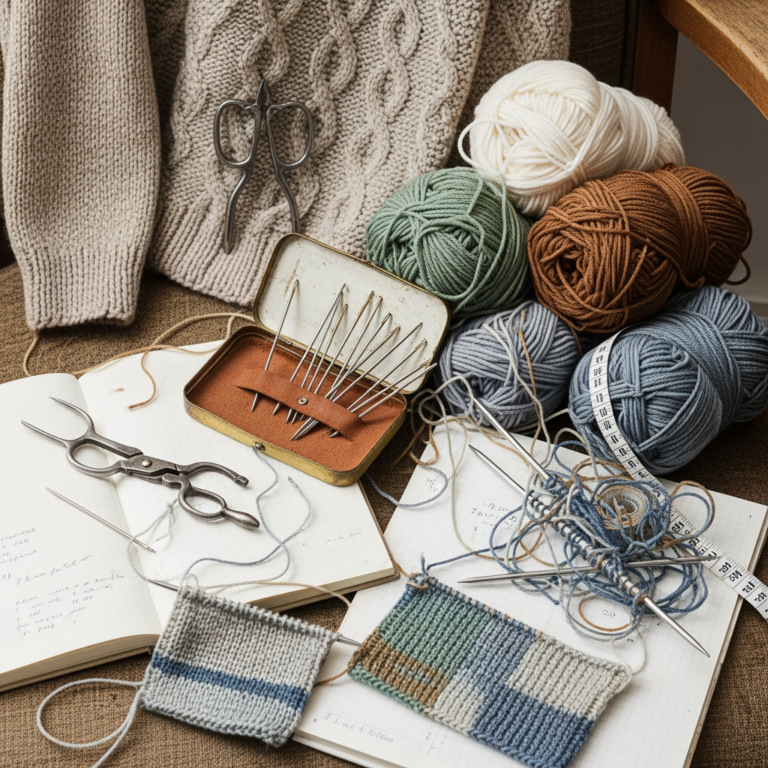
While thread conditioners are formulated for sewing and embroidery, some knitters use them to manage notoriously “grabby” or high-friction yarns. If a yarn is splitting or catching on needle tips, a very light, controlled application can help it slide.
However, caution is advised. Most thread conditioners contain silicones or waxes that can change the way a yarn absorbs moisture or blocks. Always test the conditioner on a small swatch first to see how it affects the final drape and texture of the knitted fabric.
For general knitting, focus on needle material—such as polished steel or nickel—rather than treating the yarn. Conditioners should be a last resort for knitting, reserved only for specific fibers that are otherwise impossible to manage.
Choosing the right thread conditioner is a matter of matching the product to the specific demands of the project. By balancing the need for friction reduction with the desire for a clean, professional finish, every maker can ensure their thread moves with precision and ease. Experiment with different types to find the one that best complements the specific fibers currently under the needle.