6 Furniture Polish Waxes For Restoring Antique Wooden Spinning Wheels
Restore your vintage spinning wheel to its former glory with our top 6 recommended furniture polish waxes. Read our guide and pick the perfect finish today.
Restoring an antique spinning wheel is as much about preserving the integrity of the wood as it is about ensuring the mechanical longevity of the tool. A well-cared-for wheel turns smoothly, preventing the friction that can lead to uneven yarn tension or frustrating snags during long spinning sessions. Choosing the right wax is the difference between a wheel that hums with consistent flyer speed and one that requires constant, distracting adjustments. These waxes provide the protective barrier necessary to keep vintage timber from drying out while maintaining the aesthetic charm of a family heirloom.
Howard Feed-N-Wax: Best for Thirsty Wood
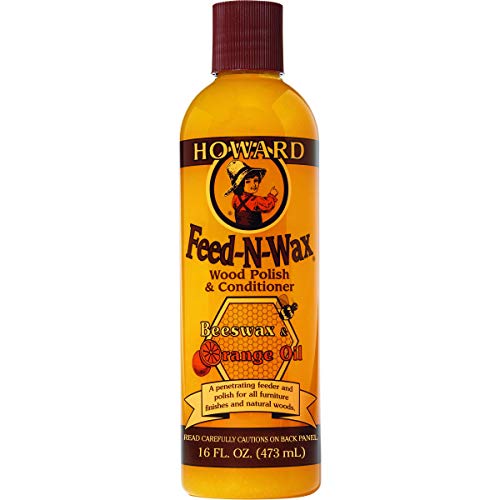

Vintage spinning wheels often arrive in a state of extreme dryness, especially if they have spent decades in storage or drafty attics. This product serves as a conditioner that penetrates deep into the grain to prevent cracking, which is essential for wheels that must withstand the tension of a tight drive band.
The inclusion of beeswax and orange oil provides a dual benefit. The oil nourishes the wood fibers, while the wax creates a soft, protective sheen that won’t build up excessively.
If the wood on the flyer assembly or the wheel spokes feels parched or looks dull, this is the first choice for restoration. It is particularly effective for those working with rustic, unfinished woods where moisture balance is critical for structural stability.
Briwax Original: For a Hard-Wearing Finish

When a spinning wheel sees heavy daily use, the surface finish must be durable enough to withstand the oils from hands and the occasional stray fiber. Briwax Original contains a blend of beeswax and carnauba wax, providing a tougher, more resilient shell than basic oil polishes.
This wax is ideal for the treadle and the flyer shaft, areas that experience the most mechanical wear. It buffs to a high luster, creating a slick surface that helps keep lint from clinging to the wood.
Because this finish is harder, it offers superior protection against the inevitable minor dings that occur when shifting between bobbins. It is the preferred choice for a wheel intended to be a reliable workhorse rather than a purely decorative display piece.
Renaissance Wax: The Museum-Quality Choice
Collectors and restorers of museum-grade artifacts lean toward Renaissance Wax for its complete neutrality. Unlike other polishes that might alter the color of light-colored woods, this microcrystalline wax remains perfectly clear and stable over time.
It is entirely acid-free and moisture-resistant, making it an excellent barrier against the humidity that can cause delicate wood parts to warp. For a spinning wheel that relies on precision alignment, this stability is a major functional asset.
This wax is best reserved for wheels with intricate carving or rare, sensitive finishes that require preservation without residue buildup. It provides a dry, smooth finish that is exceptionally resistant to fingerprints and environmental damage.
Minwax Paste Finishing Wax: The Reliable Classic

For those seeking a straightforward, readily available solution, Minwax Paste Finishing Wax remains a staple in woodworking workshops. It is incredibly easy to apply and provides a solid, traditional glow to the wood grain.
The consistency is thick and buttery, allowing for easy control when applying to narrow spindles or flyer arms. It offers a reliable, low-maintenance protective layer that is easy to refresh whenever the luster begins to fade.
This product is an excellent all-purpose choice for the spinner who wants a uniform look across all components of the wheel. It balances protection with simplicity, ensuring the wheel remains functional without a steep learning curve in application.
Fiddes Supreme Wax Polish: For Easy Application
Fiddes Supreme Wax is favored for its high concentration of fine waxes, which makes it remarkably easy to buff to a rich, professional finish. The quick-drying nature of the formula means less waiting time before the wheel can be returned to service.
It is particularly useful for complex assemblies like a Mother-of-All or a complicated tensioning system, where getting into tight crevices is necessary. The formula spreads thinly and evenly, minimizing the risk of sticky spots.
If the goal is a beautiful, hand-rubbed look without the labor of intense buffing, this product delivers excellent results. It is the ideal choice for those who want a polished appearance that highlights the natural character of the wood.
Daddy Van’s Beeswax: The All-Natural Option
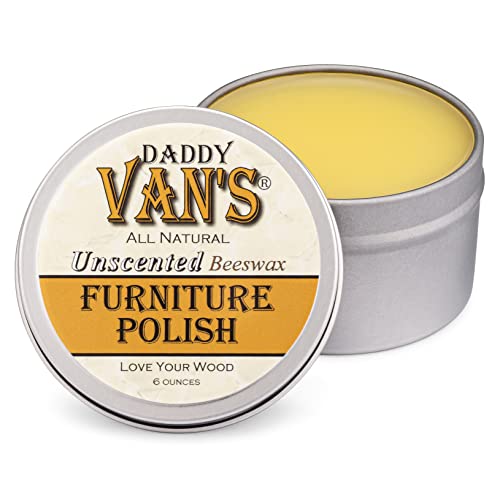
Many fiber artists prioritize non-toxic, chemical-free maintenance for their tools, especially when working with high-end wool or delicate silk. Daddy Van’s uses a simple, all-natural blend of beeswax and olive oil that is safe for both the wood and the spinner.
This wax lacks the harsh solvents found in many industrial wood cleaners, ensuring there are no lingering fumes that might cling to the yarn. It is a gentle, conditioning wax that preserves the wood while remaining environmentally conscious.
For wheels that have constant skin contact, this choice provides peace of mind. It is perfectly suited for the spinner who prefers a holistic approach to maintaining their tools and working environment.
Choosing Your Wax: Paste vs. Liquid Explained
The primary difference lies in the solvent content and the intended level of protection. Liquid waxes, such as those with oils, are generally better for restoring deep moisture to brittle, antique wood. Paste waxes contain more solid waxes, which create a structural, protective barrier against friction and wear.
- Liquid Waxes: Best for initial restoration, deeply dry wood, and frequent light maintenance.
- Paste Waxes: Best for final sealing, high-wear areas, and achieving a professional, hard-wearing shine.
If the wood is porous and thirsty, start with a liquid conditioner to nourish the fibers. Once the wood is hydrated, transition to a hard paste wax for a durable finish that will not attract dust or fibers.
How to Safely Prep Your Wheel Before Waxing
Before applying any wax, the wood must be clean to ensure an even finish. Use a soft, lint-free cloth dampened slightly with mineral spirits to remove decades of dust, grime, and old, sticky furniture polish.
Avoid aggressive sanding, which can remove the patina of age that collectors value. Instead, use a fine-grade 0000 steel wool to gently buff away stubborn debris, moving strictly in the direction of the wood grain to avoid scratches.
Always test a small, inconspicuous area of the wheel—perhaps the underside of the treadle—to see how the wood reacts to the cleaning agent. Once the surface is clean and dry, it is ready to receive a thin, uniform coat of wax.
Will Wax Stain My Yarn? Safety & Care FAQs
A properly cured wax finish will never transfer onto yarn if applied correctly. The danger arises when excess wax remains on the surface, which can attract lint and potentially create a tacky residue on the flyer or whorl.
To prevent any risk of staining, always buff the wax thoroughly after it dries, regardless of the brand chosen. A clean cotton cloth should be used to polish the wood until it feels smooth to the touch and no longer feels “grabby.”
If the wood feels slightly tacky or greasy after buffing, it indicates an excess of product was applied. Continue buffing with a clean cloth until the surface feels hard and dry, ensuring that no residue can transfer to the fiber while spinning.
Maintaining Your Wheel’s Finish Long-Term
Consistency is the secret to a well-maintained wheel. Instead of heavy annual waxings, commit to a quick “wipe and buff” session whenever the wheel seems to have lost its luster or once every few months of heavy use.
Keep the wheel away from direct heat sources, such as radiators or direct sunlight, which can dry out the wood regardless of the wax used. A controlled environment prevents the expansion and contraction that leads to structural instability in antique wheels.
Treat the maintenance process as a ritual that grounds the craft. A wheel that is properly waxed not only looks beautiful but performs its function as a precision tool, ensuring every spin results in consistent, high-quality yarn.
Conclusion: Preserving an antique spinning wheel is a rewarding practice that honors the history of the craft. By selecting the right wax and following a consistent maintenance routine, the longevity and functionality of these precious tools are secured for generations of spinners to come. Choose the product that best fits the condition of your wheel and enjoy the process of keeping your heritage equipment in peak, working condition.