
6 Leather Labels For Professional Branding To Consider
Elevate your brand identity with these 6 leather labels for professional branding. Explore our expert guide and choose the perfect finish for your products today.
After weeks spent choosing the perfect yarn, managing complex stitch patterns, and perfecting the tension of a final bind-off, the last step should never be an afterthought. A professionally finished label acts as the final signature on a handmade garment, instantly elevating a simple project into a bespoke piece of knitwear. Choosing the right leather tag requires balancing the aesthetic of the project with the durability needed for items that will see frequent wear and laundering. This guide explores the best options for branding fiber arts, ensuring each maker finds a durable, high-quality finishing touch that honors the effort invested in every stitch.


All This Wood Custom Tags: Top Pick for Etsy
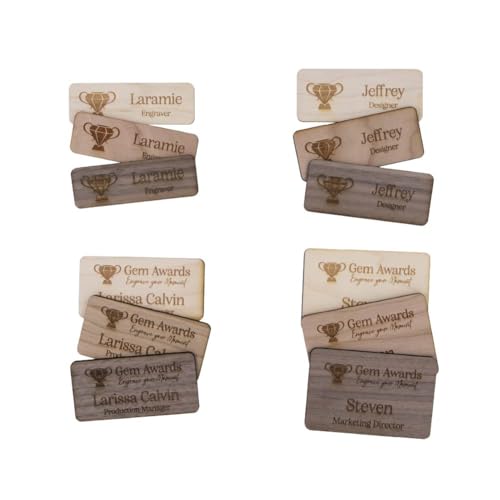
For those building a brand on Etsy, consistency and visibility are paramount. All This Wood offers a refined look that appeals to makers specializing in cozy garments like cardigans and heavy-weight pullovers.
The laser-engraved detail on these tags maintains legibility even when compressed against chunky wool fibers. Because the material is typically high-quality, genuine leather, it softens beautifully over time alongside the yarn.
These tags excel because they offer a balance between a handcrafted feel and a polished, retail-ready appearance. They are particularly effective for makers who want their logo to stand out against high-contrast backgrounds.
Katia Personalized Labels: Best for Brand Kits

Katia Personalized Labels are the gold standard for makers who require modularity across different product lines. These labels often come in cohesive kits, allowing for variations in tag size or shape while keeping the branding consistent.
Having a set of standardized labels is ideal for managing inventory, especially when working on a mix of smaller items like hats and larger blankets. It simplifies the post-knitting process, as there is no need to source individual tags for every new project.
Consider these when preparing for craft fairs or seasonal inventory updates. They provide the professional reassurance that a brand is established, cohesive, and ready for market.
GrainDeep Faux Suede Tags: Best Vegan Option
Vegan alternatives have evolved significantly, and GrainDeep provides a soft, suede-like texture that mimics the tactile quality of leather without animal products. These are essential for makers creating items intended for a wider audience, including those who prefer synthetic materials.
The primary benefit here is the balance of softness and durability. Unlike stiff leather, which can sometimes distort the fabric of a delicate lace shawl, these suede-like tags flex naturally with the movement of the knit.
They also perform well with frequent washing, as synthetic fibers are generally more resistant to the stiffening that can occur with traditional leather after water exposure. They represent the best intersection of ethical production and fiber-friendly design.
The Beam City Rivet Tags: For a Modern Look

Rivet tags offer a structural integrity that sew-on labels simply cannot match, especially for heavy items like bags, satchels, or felted wool projects. The Beam City aesthetic leans toward the industrial and clean, making it a perfect fit for modern, minimalist designs.
Using rivets prevents the tag from “tenting” or pulling away from the fabric over time. This is critical if the garment is constructed from a heavy-ply yarn or a dense, double-knitted fabric where threads might otherwise snag on a standard sew-on label.
Be aware that installing rivets requires a bit of mechanical patience. Always ensure the placement is permanent, as removing a rivet can leave an unsightly hole in the fabric that is difficult to repair.
Cutpie Studio Center Fold: For Subtle Branding
Center fold labels are designed to be tucked into a seam, providing a discreet pop of branding that doesn’t distract from the stitch work. They are the preferred choice for those who value understated elegance over bold, statement-making logos.
These labels are excellent for garments with complex stitch patterns like cables or intricate stranded colorwork. Because they are smaller and fold over the edge, they don’t compete with the texture of the yarn.
They are also incredibly gentle on the hands. If a garment is meant to be worn against the skin—such as a neck warmer or a cowl—a center-fold tag avoids the scratchy edges that can sometimes accompany larger, flat labels.
Savvy Stitches Co: Best Value for Bulk Orders
For those transitioning from hobbyist to professional, scale becomes the primary challenge. Savvy Stitches Co provides a cost-effective solution that doesn’t sacrifice quality, making it ideal for makers who churn out a high volume of small projects like mittens or beanies.
Bulk ordering provides a clear financial advantage, but the real benefit is the confidence of having a ready supply of tags. This prevents the common mistake of skipping the branding phase on “lesser” items because labels weren’t on hand.
When buying in bulk, focus on neutral colors that pair with a wide range of yarn colors. A well-placed tag on a stockinette stitch beanie can increase the perceived value of the item instantly.
Real vs. Faux Leather: Which Is Right for You?
The debate between real and faux leather often comes down to care requirements and texture. Real leather offers a natural patina that improves with age, whereas faux leather provides a consistent appearance that is usually more resistant to moisture.
Genuine leather requires more careful handling; it should ideally be removed before washing or hand-washed only to prevent hardening. Faux leather, typically made of polyurethane, is far more forgiving for items that will be tossed into a standard washing machine.
Evaluate the intended use of the project. A heirloom baby blanket likely warrants the organic feel of real leather, while a daily-use accessory made with superwash wool is better suited for a synthetic tag.
Attaching Your Labels: Sew-On vs. Rivet Guide
The attachment method defines the longevity of the label and the integrity of the surrounding stitches. Sew-on labels offer the most flexibility, as they can be moved or replaced if a garment needs repair or is re-knit.
Rivet labels provide a permanent, professional aesthetic but require specialized tools and careful placement. When using rivets, ensure the backing washer is secure to prevent the hardware from working itself loose during the agitation of a wash cycle.
Always test your placement before finalizing. A tag placed too close to a high-tension area, such as a collar, can pull the stitches and distort the silhouette of the piece.
How to Design a Label That Elevates Your Brand
A successful label design relies on simplicity. With a limited surface area, avoid cluttering the tag with too much text; focus on a clean logo or a concise brand name that remains legible at a glance.
Typography choice is equally important. Sans-serif fonts are generally more readable when laser-etched onto leather or suede because they avoid the tiny, delicate strokes of a serif font which can blur or disappear over time.
Consider the color contrast between the tag and the brand color. A light tan leather with dark engraving is a classic look, but a black-on-black or deeply embossed tag can offer a more sophisticated, high-end feel for luxury knitwear.
Washing and Care for Items with Leather Tags
Leather, whether real or faux, introduces a new variable to the blocking and washing process. If the label is real leather, minimize its exposure to water by spot-cleaning the garment or, if possible, sewing the label on with a button so it can be detached before a full soak.
If the label must remain attached during washing, avoid using harsh detergents that can strip the natural oils from the leather. Instead, use a pH-neutral wool wash and ensure the item is laid flat to dry away from direct heat sources, which can cause the leather to crack.
Synthetic tags are less demanding but still require attention. Keep the temperature low, as high heat in a dryer can cause faux leather to warp or peel away from the surface of the knit.
Adding a branded leather label is the definitive bridge between an amateur project and a professional product. By carefully considering the material, the attachment method, and the long-term care of the garment, you ensure that your craftsmanship is protected and perfectly presented. Choose a label that reflects the quality of your stitches, and you will find that your finished items carry a mark of pride that lasts as long as the yarn itself.