6 Best Tag Fasteners For Retail Presentation To Use
Improve your retail product display with our expert guide to the 6 best tag fasteners for professional presentation. Read now to choose the right style today.
Presenting a finished hand-knit or crocheted item for sale requires more than just excellent technique; it demands professional finishing touches. A well-chosen tag fastener ensures that the garment remains secure during handling while elevating the overall aesthetic of the piece. Selecting the wrong fastener can lead to snagged fibers, distorted stitches, or a cheapened presentation that undermines the artisan quality of the work. This guide outlines the most effective options for ensuring your hard work looks as polished as it feels.
Avery Dennison Mark III: The Pro Standard Gun


The Mark III tagging gun is the industry benchmark for retail environments where efficiency is the primary concern. It utilizes plastic fasteners known as “barbs” to attach hang tags quickly and consistently.
When working with heavy-duty fibers like worsted-weight wool or tightly twisted cotton, this tool provides a secure hold that withstands frequent customer handling. However, the needle on these guns is thick and can permanently damage delicate lace or fine silk blends by pushing fibers apart.
Always reserve the use of a tagging gun for heavier fabrics where the barb can be inserted through a seam allowance rather than the center of a stitch. If the item is made of high-end, luxury yarn, this speed-focused tool is often a poor choice compared to manual methods.
Coiless Bulb Pins: Best for Delicate Knits

Bulb pins, often referred to as safety pins without the coil, are the gold standard for luxury knitwear. The lack of a coil prevents yarn fibers from catching, twisting, and pulling during the tagging process.
These pins are incredibly versatile, allowing for attachment through a care label or a secure part of the garment’s structure. They provide a refined, vintage look that complements high-end hand-knit items perfectly.
Because these pins are removable, they allow the customer to inspect the garment without the frustration of cutting off plastic barbs. Always opt for rust-proof finishes to ensure that the pin does not leave a mark on light-colored fibers if the item is stored in a humid environment.
Handi-Pak Snap Lock Loops: Secure and Simple
Snap lock loops are plastic fasteners that click together by hand, requiring no specialized machinery. These are ideal for makers who produce small batches and do not want to invest in a tagging gun.
The mechanical snap provides a sense of security, ensuring the tag stays with the garment throughout transport and display. They are particularly useful for items that lack a dedicated care label or internal seam, as they can be looped through a buttonhole or a stable edge.
Be cautious when applying these to loose, open-knit items, as the plastic end can occasionally snag on neighboring yarn strands. Always loop these through a reinforced area, such as a cast-on or bind-off edge, rather than the middle of a fabric panel.
Ball Chain Connectors: For a Modern, Edgy Vibe
Ball chains offer a clean, metallic aesthetic that works exceptionally well for modern, minimalist knitwear collections. They provide a high-end feel that plastic fasteners simply cannot replicate.
These connectors are exceptionally durable and allow the hang tag to lay flat against the item, which improves visual organization on a display rack. They are best suited for heavier items like oversized sweaters or knit accessories that carry a higher retail price point.
Take care to choose high-quality metal that won’t tarnish or oxidize against the yarn. If the item will be washed or stored for long periods, remove the ball chain first to prevent any possibility of metal-induced staining.
Natural Jute Twine: The Top Eco-Friendly Pick
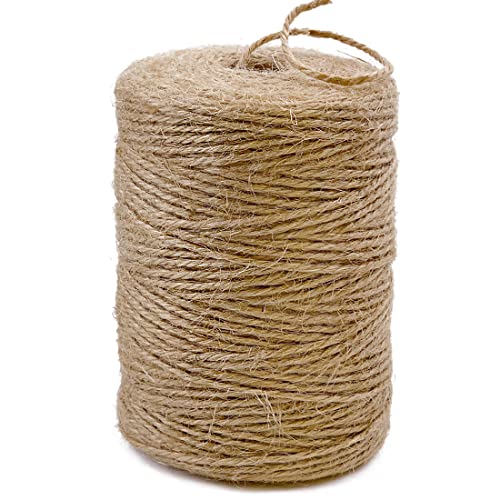
Natural jute twine aligns perfectly with the brand identity of makers who focus on organic, sustainable, or rustic yarn lines. It adds an earthy, tactile element that emphasizes the “handmade” nature of the product.
This material is exceptionally gentle on delicate fibers and poses zero risk of snagging or fiber distortion. Because it is tied manually, it allows for creative branding, such as attaching the tag with a small bow or a decorative knot.
While jute is environmentally friendly, ensure it is clean and free of loose debris before attachment. Avoid using overly thick twine that might overwhelm the proportions of a small baby bonnet or a delicate pair of fingerless gloves.
Satin Ribbon Ties: An Elegant, Premium Touch
Satin ribbon is the premier choice for gifting or high-luxury retail presentations. It signals to the customer that the item has been handled with care and is a premium purchase.
Ribbon ties are inherently gentle on all fiber types, from soft cashmere to brushed mohair. They add a layer of sophistication that can justify a higher price point by creating an “unboxing” experience for the customer.
When using ribbon, ensure the ends are heat-sealed or treated to prevent fraying over time. A clean, sharp cut on the ribbon ends is essential for maintaining a professional look.
How to Choose the Right Fastener for Your Item
The choice of fastener should be dictated by the weight and construction of your garment. A heavy, felted wool piece can handle the utility of a tagging gun, while a delicate lace shawl requires the gentleness of a ribbon or bulb pin.
Consider the “customer experience” as well. If the item is intended as a gift, a ribbon or bulb pin allows the recipient to remove the tag without damaging the delicate yarn.
Evaluate the retail setting: a high-traffic shop may require the security of a snap lock, whereas a boutique environment allows for the more fragile, decorative appeal of twine or ribbon.
Attaching Tags Without Damaging Delicate Fibers
Never pierce the center of a knitted stitch, as this can lead to laddering or uneven tension if the tag is pulled. Always aim for the structural seams, the bind-off edge, or an existing care label.
If you must attach a tag directly to the fabric, use a safety pin or bulb pin that passes through the base of a stitch or a loop of the yarn itself. This ensures the integrity of the fabric is maintained.
When in doubt, use an external anchor point. If the garment has buttons, a belt loop, or a hanging loop, attach the tag there to keep the primary fabric pristine.
Tagging Guns vs. Hand Tying: Which Is Faster?
Tagging guns are undoubtedly the winner for high-volume production. They allow for rapid, repetitive motion that can process dozens of items in minutes, saving significant time.
Hand tying, while slower, offers a level of control that mechanical tools lack. It allows for the inspection of each individual piece as you work, providing a final quality control check before the item reaches the shelf.
For the artisan, hand tying is often worth the extra time. It allows for the integration of custom branding elements and ensures that no fiber is compromised during the application process.
What Info Should Your Finished Product Tag Have?
A professional tag should act as a silent salesperson, providing all the critical details a customer needs to make a confident purchase. Include the yarn fiber content, as this is the single most important factor in the customer’s decision.
Clearly state care instructions, such as “Hand Wash Cold” or “Lay Flat to Dry.” This protects the artisan’s reputation by ensuring the item is maintained correctly after it leaves your hands.
Finally, include size information and the name of the piece. A small, clear price and a brief note about the origin of the fiber or the inspiration for the design can create a personal connection that drives sales.
Selecting the right tag fastener is a subtle but vital component of your brand’s professionalism and the longevity of your hand-knit goods. By matching the tool to the fiber and considering the end-user’s experience, you ensure that your creations remain in pristine condition from your studio to the customer’s wardrobe. A thoughtful approach to these small details demonstrates a mastery of the craft that extends far beyond the needles.