
6 Best Decorative Sequins For Fiber Art Sparkle
Elevate your fiber art with our top six picks for decorative sequins. Discover the perfect sparkle for your next creative project and shop our favorites today.
Adding a touch of shimmer to a hand-knitted garment transforms a standard project into an heirloom-quality piece. Selecting the right sequins requires balancing the weight of the material with the drape of the fabric to ensure the end result remains wearable. Understanding the interplay between metallic finishes and delicate fibers is the secret to avoiding a stiff or scratchy final product. This guide breaks down the best options available to help elevate your next fiber art venture with confidence.
Beadelle Pre-Strung Sequin Trim: Easiest to Use


Pre-strung sequins are the gold standard for those who want to add sparkle without the tedious process of attaching individual pieces. The consistency of the spacing allows for a clean, professional finish that looks like it was woven into the fabric from the start.
Using a continuous trim minimizes the risk of uneven tension across a row. When you attach these to a scarf or a sweater hem, they move fluidly with the stitches. This is far superior to individual sequins, which can often flip the wrong way or snag on loose fiber ends.
The primary trade-off is the slight added weight of the connecting thread. If you are working with a light lace-weight mohair, choose the narrowest trim available to avoid distorting your gauge.
The Sustainable Sequin Co: Best Eco-Friendly
For the environmentally conscious knitter, mass-produced plastic sequins often feel like an unfortunate compromise. This brand offers a responsible alternative made from recycled materials that do not sacrifice aesthetic quality or shine.
These sequins are crafted with a focus on durability, ensuring they stand up to the abrasion of knitting needles and frequent handling. They often come in matte or subtle metallic finishes, which pair beautifully with natural fibers like wool or linen.
Be aware that these sequins may have a slightly different texture than traditional synthetic options. When integrating them, ensure they are compatible with the specific fiber content of the yarn, as some recycled plastics can be slightly more abrasive against delicate fibers like silk.
Swarovski Crystal Paillettes: Ultimate Sparkle
Nothing compares to the light-refracting properties of genuine crystal. Swarovski paillettes provide a high-end, faceted brilliance that makes a garment look like it was pulled straight from a luxury runway.
Because these are heavier than plastic sequins, they work best on structural projects. Incorporate them into a wool-blend jacket or a dense cable-knit accessory where the yarn has enough strength to support the extra mass.
The cost of these pieces is significant, making them an investment for special occasion wear rather than everyday items. Use them sparingly as an accent point at a cuff or neckline to maximize their impact without overloading the fabric.
DMC Embroidery Sequins: Most Washable Option
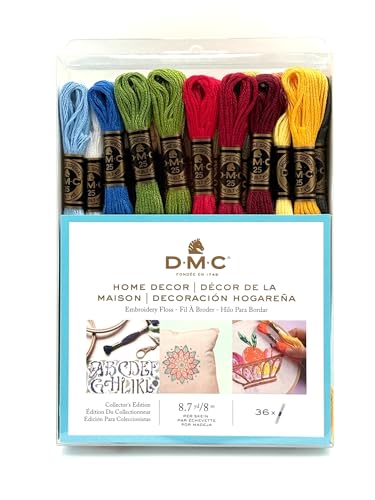
Fiber artists know the heartbreak of a project that cannot be laundered safely. DMC embroidery sequins are designed for textile applications, meaning they are built to withstand the rigors of soap and water.
Their colorfast nature is the most important feature for functional garments. If you are knitting a sweater that will see heavy use, these sequins won’t lose their luster or bleed onto the surrounding yarn after a wash.
These are best suited for smaller, detailed embellishments rather than full-surface coverage. Because they are often sold in small packs, they serve as the perfect choice for adding subtle decorative “stars” to a sweater yolk or hat brim.
CraftyCuts Bulk Mix: Best for Large Projects
When a project calls for high-density sequin coverage, purchasing individual packs becomes inefficient and expensive. Bulk mixes allow for complete creative freedom and the ability to experiment with color gradients or textured layers.
The challenge with bulk mixes is the variation in quality and finish. Always perform a test swatch to ensure the sequins won’t scratch the skin or pull on the yarn during the construction phase.
These are perfect for “slow fashion” projects where you intend to create a bold, disco-inspired statement piece. Keep in mind that heavy coverage will make a garment significantly warmer and stiffer, so adjust your sizing accordingly if you are adding weight to a fitted silhouette.
Haberdashery Studio Flakes: Most Unique Shapes
Standard round sequins can feel repetitive, but flakes offer organic, non-uniform shapes that catch the light in unpredictable ways. They provide a more natural, “sea-glass” aesthetic that breaks up the traditional grid of knitted stitches.
These are exceptional for art-knitting and textural experiments. By varying the orientation of the flakes, you can create a ripple effect that mimics the texture of moving water or foliage.
Because of their irregular edges, they can be more prone to snagging on loose stitches. It is essential to use a finer thread for attachment to ensure they sit flush against the fabric surface.
How to Securely Attach Sequins to Your Knitting
Attaching sequins should be done after the knitting is complete to avoid damaging the yarn with excessive pulling. Using a sharp, thin sewing needle ensures you can pass through the eye of the sequin without straining the fiber.
- Anchor point: Always secure the sequin with a tiny knot on the back of the fabric.
- Stitch tension: Keep the thread taut but not tight; if you pull too hard, the sequin will pucker the fabric.
- Placement: Use a small seed bead in the center of the sequin to hide the thread and provide an extra layer of structural security.
Always secure sequins when the knitting is laid flat. If you attempt to sew them while the garment is on a mannequin, the weight of the sequins may shift and distort the final drape.
Cupped vs. Flat Sequins: Which One to Choose?
Flat sequins lay flush against the yarn, creating a sleek, refined look that works well for minimalist designs. They are easier to manage and less likely to get caught on jewelry or bag straps during daily wear.
Cupped sequins, by contrast, are designed to catch light from multiple angles, offering a much higher degree of sparkle. Their shape creates a slight “dome” that adds depth to the surface of the knitting.
Choose flat sequins for garments that will be worn under layers, as they are less bulky. Select cupped sequins for high-visibility accessories like scarves or evening bags where maximum light reflection is the design goal.
Caring for Garments with Sequin Embellishments
Knitted items with sequins should never be tossed in a machine, regardless of the yarn’s “superwash” status. The mechanical action of the drum will crush the sequins and cause them to tear through the yarn.
Hand-wash your embellished items in cool water with a gentle wool wash. Never wring or twist the garment, as this will stress the threads holding the sequins in place.
Lay the garment flat on a towel to dry, ensuring the sequins are oriented upward. This prevents them from being crushed into the fibers and keeps them looking bright and crisp for the life of the item.
Choosing the Right Thread for Attaching Sequins
The thread you choose is just as important as the sequin itself. A heavy thread will be visible and potentially cut through the fiber, while a thread that is too weak will break under the weight of the embellishment.
Look for a high-quality silk or polyester-core thread that matches the color of your yarn as closely as possible. If the project is meant for display, clear nylon monofilament is an option, but it can be brittle and sharp against the skin.
Always test your thread on a swatch before committing to the full project. If the thread is too slick, the knots may work their way loose, so consider a double-knot or a small dab of clear fabric glue on the backside to ensure longevity.
Incorporating sequins into your fiber art requires patience, but the visual reward of a shimmering, custom-made piece is well worth the effort. By selecting the right materials and following proper attachment techniques, you ensure your work remains both beautiful and durable. Remember that the best results come from respecting the integrity of the yarn while thoughtfully layering your chosen embellishments. With these tools in your kit, you are ready to bring a professional level of brilliance to your next project.