7 Best Shipping Label Templates For Etsy Sellers
Streamline your orders with our 7 best shipping label templates for Etsy sellers. Download these professional designs now to save time and polish your packaging.
Shipping physical goods—like a hand-knit lace shawl or a batch of hand-dyed merino wool—requires as much precision as calculating gauge for a complex cable pattern. A shipping label is the final touch on the effort invested into a project, ensuring the package reaches its destination safely and professionally. Choosing the right label system saves time at the post office and reflects the same attention to detail applied to every stitch. This guide breaks down the best shipping label solutions to help streamline the fulfillment process for any small-scale fiber arts business.
Etsy Shipping Labels: Best Integrated Solution


The native Etsy shipping system functions much like a standard kit instruction sheet: it is accessible, reliable, and designed to work perfectly within the existing framework. Because these labels pull data directly from the customer’s order, the risk of transcription errors—like an accidental digit swap in a zip code—is nearly eliminated.
For the artisan who prefers to keep all business operations in one digital workspace, this is the most logical choice. It requires no third-party integrations and simplifies the process of sending tracking numbers directly to the customer.
However, the convenience of the native system comes with fewer options for customization or advanced shipping discounts. If you are shipping a heavy box of bulk wool, compare these rates against other services to ensure cost-efficiency.
Pirate Ship Simple Export: Best Free Option
Pirate Ship acts like a universal pattern generator, offering deep shipping discounts without requiring a subscription fee. It excels at simplicity, allowing the user to import orders directly from Etsy to generate postage labels in a matter of seconds.
This platform is ideal for those who value efficiency but want to avoid monthly overhead costs. By accessing commercial pricing, even hobbyists shipping small skeins of yarn can see significant savings compared to retail post office rates.
While it is remarkably user-friendly, it lacks some of the deep-dive branding features found in paid design suites. Treat it as the sturdy, stainless steel needle of the shipping world: it performs its primary task exceptionally well, even if it lacks decorative flair.
Avery Printable Labels: Easiest for Home Printers
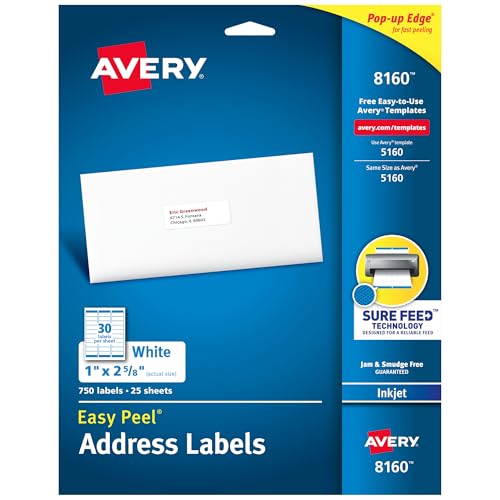
Avery labels are the reliable workhorses of the shipping world, compatible with almost any standard inkjet or laser printer. These pre-cut adhesive sheets prevent the frustration of wrestling with packing tape over handwritten labels, which can smear or become unreadable in transit.
Using standard letter-sized sheets is an excellent entry point for new sellers who have not yet invested in specialized hardware. Simply download the template, print your label, and peel it off the backing—much like transferring a stitch marker onto a needle.
Ensure that the paper quality is sufficient for the printer type to prevent ink bleeding or smudging during humid weather. A messy label is as disappointing as a snagged yarn end, so always perform a test print before committing to the full sheet.
Canva Pro Shipping Label Kit: Best for Branding
Canva provides the aesthetic tools needed to elevate a package from a mere brown box to a branded experience. For fiber artists who view packaging as an extension of their creative identity, these templates allow for the addition of custom logos, thank-you notes, and color-coordinated design elements.
Effective branding builds customer loyalty, much like a consistent, perfectly executed tension keeps a garment looking professional after blocking. Using a cohesive design across your packing slip and label creates a cohesive “unboxing” narrative for the recipient.
Remember that while design is important, utility remains paramount. Always ensure the shipping barcode remains clear, high-contrast, and unobstructed by decorative graphics to avoid delays in the carrier’s scanning system.
Corjl Editable Template: Most Customizable
Corjl is the choice for sellers who want complete control over every pixel on the label. It allows for advanced editing, letting you adjust fonts, spacing, and layout to match the specific vibe of your shop, whether that is rustic, minimalist, or high-fashion.
This level of customization is helpful for including specific shipping instructions or unique “Handmade with Love” flourishes. It bridges the gap between functional postage and the personalized presentation often expected in the handmade market.
Be aware that high customization requires a steeper learning curve. If you struggle with software interfaces, the time spent designing might take away from your actual knitting hours.
Creative Market Artisan Pack: Best Premium Design
Creative Market offers high-end, designer-made label templates that bring a professional graphic design aesthetic to your shipping process. These packs are curated for those who want their business to stand out immediately upon arrival at the customer’s door.
These designs often feature thoughtful details like organized whitespace and balanced typography. It is the equivalent of using high-quality bamboo or rosewood needles; the experience is simply more refined and enjoyable than using generic, mass-produced tools.
Verify file formats before purchasing to ensure they are compatible with the software currently used for label management. Choose designs that remain legible when scaled down, as a complex pattern can sometimes obscure essential shipping data.
Rollo Thermal-Ready Design: For High Volume
Thermal printing is the gold standard for high-volume sellers who want to eliminate the need for expensive ink cartridges. Rollo printers work with thermal labels that rely on heat rather than liquid ink, making them immune to the smudging that plagues inkjet prints.
If you are shipping multiple packages a week, the cost of the printer is quickly offset by the elimination of ink costs. Thermal labels are essentially permanent, standing up to the rigors of transit far better than standard paper labels.
This is a professional-grade investment, comparable to graduating from straight needles to a complete circular needle set. Only make this leap when the volume of shipments justifies the hardware space and initial expense.
How to Choose the Right Shipping Label System
When deciding on a system, evaluate your current workflow against your long-term production goals. An artisan selling a few skeins per month requires a drastically different setup than a busy shop owner shipping daily kits.
- Volume: Small volume is fine for standard printers; high volume necessitates thermal.
- Time: Look for platforms that integrate directly with Etsy to minimize manual entry.
- Branding: If the unboxing experience is part of your brand, prioritize templates that allow for custom designs.
- Budget: Balance the cost of labels and hardware against the money saved on postage discounts.
A good system should feel invisible, acting as a seamless extension of your creative process rather than a bottleneck. If you find yourself dreading the shipping process, the system is likely not aligned with your operational style.
Thermal vs. Inkjet Printers: A Key Decision
The fundamental difference between these two technologies is how the ink is applied—or not applied—to the medium. Inkjet printers use liquid cartridges, which are versatile for color printing but prone to smudging if the label gets damp during delivery.
Thermal printers, conversely, use heat to activate chemicals in the label paper. This produces a crisp, permanent, waterproof result that is incredibly durable.
For the average knitter, an inkjet printer is a perfectly acceptable start. However, if you are shipping internationally or during volatile weather seasons, the permanence of a thermal label provides peace of mind that your shipping information will arrive intact.
Tips for Professional-Looking Package Branding
Presentation is the final stage of your craft, just as blocking is the final step in finishing a sweater. Even the most exquisite wool can lose its impact if the presentation feels careless.
- Use Clear Adhesive: Invest in a sturdy tape dispenser and avoid messy overlaps that hide the barcode.
- Consistency: Use the same branding colors and fonts on your labels as you use on your shop banner.
- Personal Touches: Consider adding a small, branded sticker or a handwritten note card inside the package.
- Barcode Integrity: Never place tape over the barcode, as the glare can cause scanning issues at the sorting facility.
By treating your shipping labels with the same care you give your tension or your finishing, you demonstrate a level of professionalism that customers will recognize and appreciate. A well-labeled, secure package is the ultimate guarantee that your hard work will arrive in perfect condition.
Successful shipping is all about combining the right tools with a consistent, thoughtful process. Whether you opt for a simple free template or a high-end thermal setup, focus on clarity and reliability to ensure your fiber art reaches its new home in pristine condition.