6 Best Adhesive Backings For Mounting Felted Art
Struggling to hang your fiber creations? Discover the 6 best adhesive backings for mounting felted art to ensure a secure, professional display. Read our guide.
Felted art requires a specialized approach when moving from the needles or felting mat to a display frame. Unlike standard fabric, felt possesses a high loft and an irregular surface texture that challenges traditional adhesives. Choosing the wrong backing can lead to sagging, peel-back over time, or permanent damage to delicate fibers. Select an adhesive method that respects the structural integrity of your finished wool or synthetic piece while ensuring it remains taut and visible.
HeatnBond UltraHold: Best for Fabric Mounting
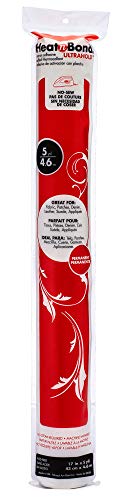

HeatnBond UltraHold is a high-strength, double-sided fusible web that creates a permanent bond between felt and fabric. It is ideal for mounting small-to-medium decorative pieces onto stiff backing boards or canvas frames.
The heat-activated nature of this adhesive allows for a crisp, professional finish that won’t bulge like glue-based methods. Because it bonds the entire surface area of the felt, it eliminates the “bubbling” effect often seen in unevenly glued projects.
However, heat application requires caution with delicate fibers. High heat can shrink or distort felted wool, so always use a press cloth and test the temperature on a scrap piece first.
3M Super 77 Spray: The All-Purpose Workhorse

3M Super 77 is the industry standard for those who need a broad-coverage adhesive for larger tapestries or felt wall hangings. This spray provides a high-tack bond that covers the surface evenly without adding the weight of a tape or sheet.
It is particularly useful when mounting felt to porous materials like foam core or matte board. The fine mist penetrates the nooks of the felted surface just enough to grip, without saturating the fibers and creating a crusty texture.
Be aware that this is a permanent adhesive and is not suitable for heirloom pieces that might eventually need to be removed. Proper ventilation is mandatory, as the fine particles are potent and can settle on surfaces outside the immediate workspace.
Gorilla Mounting Tape: For Your Heaviest Pieces
When a felted sculpture or a thick, heavy-duty mat needs to be secured to a wall, liquid adhesives often fail. Gorilla Mounting Tape offers a structural hold that can support significant weight while remaining flexible enough to handle the natural give of felt.
The double-sided foam core of this tape is the secret to its success. It compresses into the deep, textured surface of the felt, creating a mechanical lock that standard double-sided tape cannot match.
It is best reserved for the edges or hidden support struts of a piece. Over-applying this tape can make a felted work look rigid and lifeless, so use small squares strategically rather than full strips across the back.
Aleene’s Tacky Spray: Best for Repositioning
Aleene’s Tacky Spray provides a “post-it note” style grip that is perfect for those who want to experiment with placement before committing. It is significantly gentler than industrial-grade sprays, making it the safest choice for fine, hand-felted pieces.
This adhesive allows for easy adjustment, which is a life-saver when centering a circular mandala or a detailed needle-felted portrait. If the alignment is off by a few millimeters, the piece can be lifted and shifted without tearing the wool fibers.
The trade-off is the bond strength; it is not a “forever” solution for heavy items. Use this for temporary displays or pieces that will be placed inside a glass shadow box where the frame itself provides secondary support.
Elmer’s Craft Bond: Best for Lighter Projects
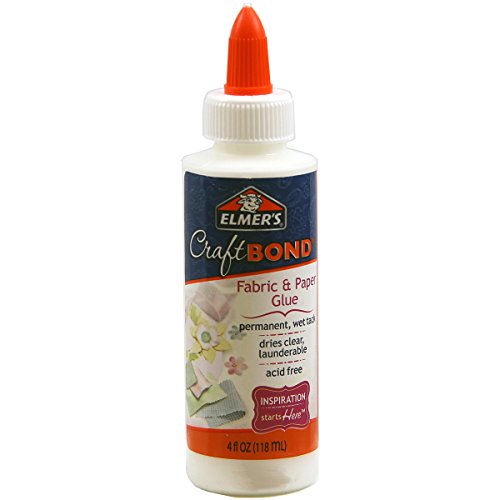
Elmer’s Craft Bond is a reliable, acid-free option for small projects like felt ornaments, appliques, or kids’ craft projects. It is essentially a PVA-based glue in a spray form that is far more forgiving than industrial spray adhesives.
It is ideal for felt blends that contain a high percentage of acrylic or synthetic fibers. These materials often resist stronger chemical adhesives, but Craft Bond adheres well without the risk of yellowing over time.
Because it is water-based, it is not recommended for thick, dense felt that takes a long time to dry. Keep this for projects where speed and non-toxicity are the primary concerns.
T-Rex Mounting Tape: Ultimate Holding Power
T-Rex Mounting Tape is designed for extreme conditions, providing a bond that is effectively structural. For felted pieces that must hang in high-traffic areas or environments with shifting temperatures, this tape prevents sagging and detachment.
It is exceptionally durable, resisting humidity and temperature swings that would cause lesser tapes to lose their grip. It is an aggressive adhesive, so ensure the backing surface is completely clean and dust-free before pressing the felt into place.
Due to its sheer strength, removing this tape from a surface will likely leave residue or damage the backing material. Reserve this for permanent installations where the piece is intended to stay for years to come.
How to Choose the Right Adhesive for Your Felt
Selecting the right adhesive depends entirely on the density of the felt and the final display method. Use the following guide to narrow down the choices:
- For weight: Use foam-core mounting tapes for heavy, thick-felted objects.
- For detail: Use fusible webs for thin, intricate, or flat pieces.
- For temporary display: Use repositionable sprays to maintain the integrity of the fibers.
- For permanent wall art: Use high-strength spray adhesives to cover large surface areas evenly.
Always consider the weight-to-surface-area ratio of the project. A heavy, dense needle-felted piece needs more than just a light mist of spray, regardless of how “strong” the can claims to be.
Spray vs. Tape: Which Is Best for Felt Art?
Sprays are superior for edge-to-edge coverage and flat, even mounting on rigid backings like canvas or board. They allow the felt to retain its soft, natural drape without adding bulk or hard points of contact.
Tapes, conversely, are best for mounting objects that have a specific structural frame or “hidden” support points. Tape provides a clean, dry application that avoids the potential for overspray or chemical odors.
The primary disadvantage of spray is the mess and the need for a well-ventilated space. The primary disadvantage of tape is the loss of flexibility, as the tape creates rigid sections that do not move with the rest of the fiber.
Prepping Surfaces for a Long-Lasting Mount
A common mistake is applying adhesive directly to a raw wood or dusty wall surface. Adhesives require a clean, porous-friendly interface to achieve a permanent bond.
If mounting to wood, sand the area lightly to remove splinters and ensure it is free of sawdust. For plastic or metal frames, clean the surface with isopropyl alcohol to remove any residual oils that might prevent the adhesive from curing.
For the felt side, use a lint roller to remove loose fibers or shedding bits. Glue or tape will only bond to the outermost layer of loose fuzz, which will lead to the piece falling off as soon as the stray fibers pull away from the main structure.
Safely Applying Adhesives to Textured Felt
Applying adhesive to felt requires a light touch to prevent the glue from soaking through to the front of the piece. When using spray, hold the nozzle at least 12 inches away to ensure a fine, even layer rather than wet clumps.
If using tape, press the adhesive onto the frame or backing first, then lower the felt onto it. This prevents the “pilling” that occurs if you try to rub the tape into the fibers, which can catch and tear the wool.
If you are concerned about glue seeping through, place a piece of parchment paper between the felt and the backing until the glue has become tacky. This technique creates a barrier that keeps the front of your artwork clean while the adhesive works its magic on the back.
With the right adhesive strategy, your felted work will transition from a tactile, soft creation into a secure, enduring display piece. Take the time to match the adhesive to the density and weight of your fibers, and the result will be a professional mount that lasts for years.