7 Best Super Glues For Securing Knot Ends That Last
Tired of knots coming undone? Discover the 7 best super glues for securing knot ends that last. Read our expert guide to find the perfect adhesive for your project.
Securing yarn ends is a perennial challenge that separates a project meant to last a lifetime from one that begins to unravel after a few wash cycles. While weaving in ends is the traditional gold standard, certain fibers and project types demand extra reinforcement to keep knots from slipping loose. The right adhesive provides that final measure of security without compromising the drape or hand of the finished piece. Selecting the correct product ensures that your hard work remains pristine, whether it is a delicate lace shawl or a sturdy pair of wool socks.
Loctite Ultra Gel Control: Best Overall Hold
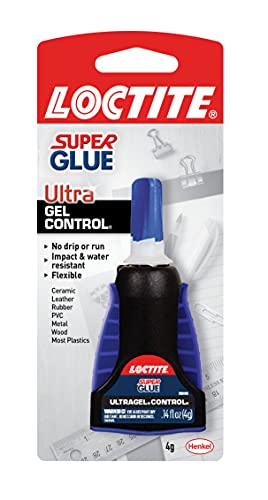

Loctite Ultra Gel Control stands out because of its unique rubber-toughened formula, which allows the glue to withstand movement without becoming brittle. In knitting, this flexibility is paramount; when a garment stretches, a rigid glue can snap or break the fibers around the knot.
The control applicator is a significant advantage for fiber artists who struggle with the erratic flow of standard super glues. It delivers a precise, non-drip drop that stays exactly where it is placed, preventing the glue from wicking into unwanted areas of the fabric.
This is the ideal choice for high-tension areas like the cuffs of a sweater or the heels of socks. If the goal is a permanent, vibration-resistant bond that won’t give way under stress, this gel provides the most reliable security available.
Gorilla Super Glue Gel: Most Durable Bond
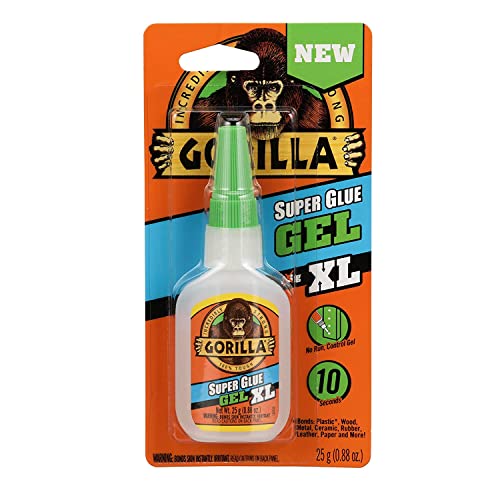
Gorilla Super Glue Gel earns its reputation for extreme strength by creating a bond that is essentially impervious to moisture and temperature fluctuations. For items that will be subjected to frequent wear, such as hats or gloves, this durability ensures the knot stays locked indefinitely.
The gel consistency is thicker than traditional adhesives, preventing it from soaking through the yarn and leaving a stiff, crunchy spot on the right side of the work. It remains stable during application, giving you a few extra seconds to position the tail perfectly before it sets.
Keep in mind that this bond is incredibly strong and can make a piece virtually impossible to re-work if a mistake is made. Use it sparingly on synthetic or protein-based fibers where a permanent anchor is the ultimate priority.
Krazy Glue Brush-On: For Precision Application

The brush-on applicator of this product makes it a favorite for those who prioritize neatness above all else. Instead of trying to squeeze out a tiny droplet, the built-in brush allows for a thin, controlled coating over a knot or a trimmed tail.
This precision is essential when working with fine-gauge yarn where excess glue would be immediately visible. It is particularly effective for locking the very tip of a yarn tail after it has been woven through the back of a piece of stranded colorwork.
Because the liquid is thinner, it absorbs deeply into the fiber, effectively “welding” the strands of the yarn together at the knot. This is the top recommendation for those who need a clean finish on dense or tightly woven fabrics.
Dritz Fray Check: The Fiber Artist’s Go-To

Dritz Fray Check is technically a seam sealant rather than a traditional glue, which makes it uniquely suited for the delicate nature of yarn. It dries clear and remains surprisingly supple, avoiding the stiff “spot” that super glues often leave behind.
It is highly effective at stopping the ends of wool or acrylic yarn from untwisting and fraying over time. Since it is designed specifically for fabric, it won’t yellow or degrade the integrity of natural fibers, making it a safe choice for heirloom-quality garments.
Use this when you want to secure a knot without changing the texture of the fabric. While it isn’t as strong as a cyanoacrylate adhesive, it provides sufficient hold for most low-friction applications.
Aleene’s Jewel-It: Best for Washable Knits
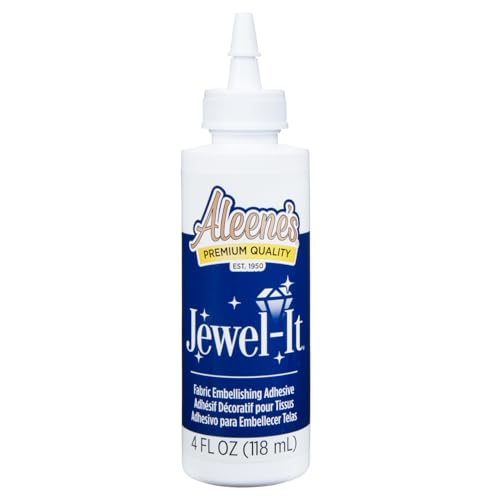
Jewel-It was formulated to bond heavy embellishments to fabric, meaning it possesses a level of resilience that stands up remarkably well to the washing machine. When you are securing ends on a child’s sweater or a household item that requires frequent cleaning, this glue is a superior option.
Unlike super glues that can break down when soaked, this adhesive is designed to maintain its grip through repeated water exposure. It dries flexible, ensuring that the yarn remains soft and moves naturally with the rest of the garment.
Apply it to the knot and allow it to fully cure before the first wash. It is the most reliable way to ensure that “wash-and-wear” items remain intact for years of use.
E6000 Fabri-Fuse: For a Strong, Flexible Bond
E6000 Fabri-Fuse is an industrial-strength adhesive that bridges the gap between permanence and flexibility. It is thick, tacky, and incredibly forgiving during the application process, offering a longer dry time that allows for precise adjustment.
For bulky yarns or heavy-weight projects like wool coats, this glue is the gold standard for long-term security. It is specifically formulated to withstand the stress of pulling and stretching, making it the best choice for seams and joins that experience significant tension.
The bond is permanent, but because it doesn’t dry rigid, it won’t cause the fibers to crack or snap. If you are working with thick, heavy fibers that traditional super glues fail to penetrate, reach for this instead.
Beacon Fabri-Tac: Ideal for Bulky Yarn Ends
Beacon Fabri-Tac is famous in the crafting world for its quick-grab capabilities and its ability to bond heavy-weight materials. In knitting, it is the perfect tool for securing ends on bulky or super-bulky weight projects, where knots can be large and prone to shifting.
It dries clear and is exceptionally resistant to water and detergents. Because it is a permanent adhesive, it works effectively on both natural fibers like wool and synthetic blends like acrylic or polyester.
The quick-grab nature means you don’t have to hold the yarn in place for long while the glue sets. It is a fantastic choice for makers who want a robust, no-fuss solution for heavy-duty winter accessories.
How to Apply Glue to Yarn Ends Without a Mess
The secret to a clean application is to isolate the tail completely. Place a small piece of waxed paper or a scrap of plastic behind the area where the knot is located to ensure the glue does not bleed through to the front of the work.
Use a toothpick or a bent needle to apply the adhesive rather than using the bottle’s nozzle directly. This prevents the “over-application” that leads to stiff, unsightly clumps of hardened glue.
Always trim your yarn tail to the appropriate length before applying the glue. A tail that is too long will be difficult to coat evenly, while a tail that is too short may not provide enough surface area for the adhesive to grab.
Super Glue vs. Fabric Glue: What’s the Difference?
Super glue (cyanoacrylate) is an instant-bonding agent that creates a rigid, brittle hold. It is perfect for small, high-tension spots, but it can be harsh on delicate fibers and often turns white when it cures.
Fabric glue is formulated with polymers that remain flexible and washable. It takes longer to cure but is far more sympathetic to the movement and drape of textiles, making it safer for long-term use in garments.
Choose super glue for tiny, hidden knots on hard-wearing items like socks. Choose fabric glue for larger joins, delicate fibers, or any project that needs to remain soft and pliable against the skin.
Weaving In vs. Glue: Making the Right Choice
Weaving in ends is the professional technique that keeps fabric structurally sound through its entire life. Glue should never be a substitute for proper weaving, but rather a final reinforcement for slippery fibers like silk, rayon, or tightly twisted superwash wool.
Avoid using glue on items that need to be felted, as the adhesive will prevent the fibers from locking together during the agitation process. Furthermore, ensure the glue is fully cured before the first blocking or washing to prevent it from trapping residue or creating permanent stains.
Use your best judgment: if a knot feels secure after weaving, leave it alone. If you are working with a fiber that has no natural grip, a tiny dab of adhesive provides the peace of mind that your project won’t unravel at the worst possible moment.
Selecting the right adhesive is about balancing the structural needs of your specific fiber with the long-term usage of the garment. By carefully choosing between flexible fabric adhesives and heavy-duty super glues, you can protect your hard work without sacrificing the beauty of your stitches. Always remember that a clean, intentional application is the difference between a repair that stays hidden and one that distracts from your design. Take the time to test your chosen glue on a small swatch first, and you will ensure that every project you finish remains a lasting treasure.