6 Ergonomic Chair Supports For Long Craft Hours
Struggling with back pain during your projects? Explore these 6 ergonomic chair supports to improve your posture and craft in comfort. Shop our top picks today.
Knitting is a pursuit of patience, often requiring hours of stillness to complete a complex cable sweater or a delicate lace shawl. While the mind stays busy counting stitches and reading charts, the body often suffers from the static posture required by such intense focus. Investing in ergonomic support is not an indulgence; it is a way to ensure the hobby remains sustainable for decades rather than seasons. These six tools can transform a simple dining chair or a stiff sofa into a supportive workstation for any fiber artist.
Everlasting Comfort Lumbar Pillow: Best Overall
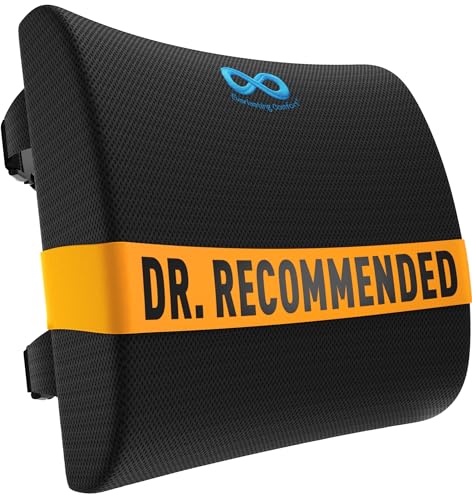

This pillow features a high-density memory foam construction that contours specifically to the lower back. It addresses the common “slouch” that occurs when a knitter focuses too intently on a particularly difficult row of brioche or stranded colorwork.
The design includes dual adjustable straps, which are essential for securing the pillow to various chair back heights. Without these, a lumbar support often slides down during a marathon knitting session, leaving the lower back unsupported just as fatigue sets in.
However, consider the chair depth before purchasing. If a chair is already quite deep, adding this thick memory foam support may push the knitter too far forward, making it difficult to reach the feet to the floor.
The McKenzie Lumbar Roll: PT-Recommended Support

Physical therapists frequently recommend the McKenzie Roll because of its firm, cylindrical shape. Unlike soft cushions, this tool forces the spine into a neutral, upright position, which is vital when working on heavy wool projects that pull on the shoulders.
This support is ideal for those who prefer minimal bulk. It targets the specific curve of the lumbar spine without covering the entire back, allowing for better airflow and preventing the overheating that can occur during summer knitting.
Keep in mind that this support requires active engagement from the core. It does not provide the “cushy” comfort of memory foam, making it a better choice for knitters who want to maintain an active, alert posture during intricate lace-work.
Purple Royal Seat Cushion: Ultimate Pressure Relief

The grid-pattern gel technology in this cushion excels at distributing weight evenly across the hips and thighs. When knitting for hours, the pressure on the sciatic nerve can lead to numbness, a common complaint among those who spend their weekends finishing large-scale blankets.
The hyper-elastic polymer is incredibly durable and holds its shape regardless of how many times a knitter shifts their weight while checking gauge. It feels different from traditional foam—more responsive and “bouncy”—which keeps the sitting surface from feeling stagnant.
This is a premium investment, but it is worth the cost for those who knit daily. It effectively prevents the “bottoming out” feeling that occurs with cheaper, lower-quality cushions after a few months of heavy use.
Everlasting Comfort Seat Cushion: Best Value Pick
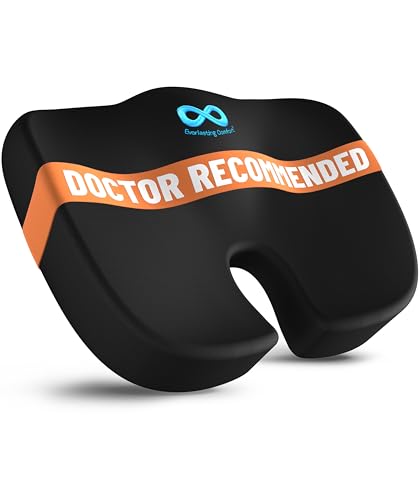
This seat cushion uses a classic U-shaped design that relieves pressure on the tailbone. By cutting out the portion of the foam directly under the coccyx, it encourages a more upright pelvic tilt, which naturally aligns the rest of the spine.
It is an excellent choice for knitters using standard wooden kitchen chairs. The non-slip bottom keeps the cushion securely in place, even when the knitter fidgets to adjust tension or reach for a new skein of yarn.
While not as technologically advanced as gel-based alternatives, it provides consistent comfort for a reasonable price point. For beginners just starting to notice back fatigue, this is the most practical entry-level solution.
BackJoy SitSmart Core: For Active Posture Help
The BackJoy functions differently than a cushion; it is a rigid, shaped platform that tilts the pelvis forward. By correcting the tilt, it forces the lumbar spine into its natural curvature, preventing the hunched-over posture that often leads to neck strain.
This tool is particularly useful for knitters who find themselves leaning forward to inspect fine-gauge stitches. It makes slouching physically uncomfortable, acting as a gentle reminder to keep the heart open and the neck aligned.
It is best suited for firm, flat surfaces. Avoid using it on plush, overstuffed armchairs, as the soft upholstery will interfere with the way the device is intended to distribute body weight.
Kensington Solemate Footrest: Elevate Your Feet
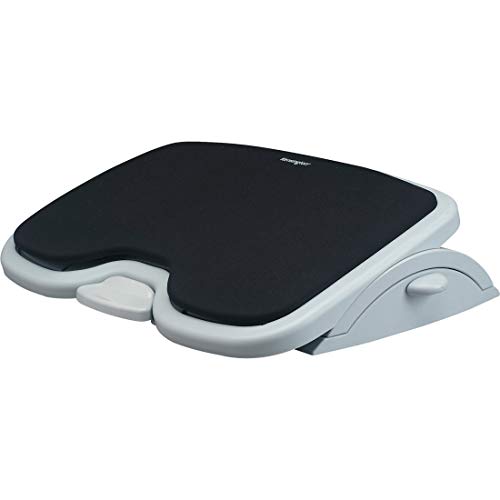
A footrest is the most overlooked component of ergonomic knitting. By elevating the feet, the knees are brought slightly above the hips, which helps “lock” the pelvis into a supportive position and reduces strain on the lower back.
The Kensington Solemate offers adjustable height and tilt, allowing for a custom fit based on the height of the chair. When the feet are supported, the entire kinetic chain—from ankles to shoulders—is more relaxed.
This stability is crucial when working on large, heavy garments. By removing the need to anchor the feet on the floor to stabilize the body, the knitter can focus entirely on maintaining even tension and smooth stitch transitions.
How to Pick the Right Support for Your Craft Chair
The first step in choosing support is evaluating the existing chair. A chair with a deep seat needs a thinner back support to avoid forcing the body out of alignment, while a hard-backed wooden chair requires something thick and plush for comfort.
Consider the physical toll of the current projects. If the primary complaint is lower back soreness, a lumbar support is the priority. If the discomfort is concentrated in the hips or thighs, prioritize a high-quality seat cushion.
Test the chair-cushion combination for at least thirty minutes. Knitting involves subtle, repetitive movements that reveal flaws in ergonomics far faster than simply sitting and reading or watching television.
Lumbar vs. Seat Cushions: What’s the Difference?
Lumbar supports are designed to fill the gap between the lower back and the backrest of the chair. They prevent the spine from curving into a “C” shape, which is the most common cause of mid-back pain during long sessions.
Seat cushions, by contrast, focus on the weight-bearing area under the ischial tuberosities—the sit bones. Their primary goal is to alleviate pressure points and encourage a neutral pelvic position, which prevents the user from “tucking” the tailbone under.
For optimal results, many knitters eventually use both in tandem. A lumbar pillow keeps the upper body tall and alert, while a seat cushion ensures that the lower body remains comfortable enough to sustain hours of effort.
Setting Up Your Crafting Chair for Perfect Posture
Position the chair so the feet sit flat on the floor or on a footrest. The hips should be slightly higher than the knees, or level with them, to keep the spine stacked properly.
Keep the work at eye level. When the work is held too low, the neck must bend forward, creating a “text-neck” effect that leads to tension headaches. Use pillows on the armrests to bring the knitting needles up to the level of the ribcage.
Ensure the elbows can hang naturally near the sides of the body. If the arms are held out or up, the shoulders will inevitably tense up, leading to “knitter’s neck” and shoulder blade pain.
Simple Stretches for Long Crafting Sessions
Every forty-five minutes, pause the knitting and stand up. Reach the arms overhead to lengthen the spine, then perform a gentle shoulder roll backward to reset the posture.
Perform a chest opener by clasping the hands behind the back and pulling the shoulders down. This counteracts the tendency of the shoulders to round forward during repetitive, inward-focused hand movements.
Finally, stretch the wrists and fingers. Gently pull the fingers back to stretch the forearm flexors, which are constantly working to maintain tension and needle stability.
Ergonomic care is as vital to the craft as the quality of the yarn or the needle material. By choosing the right supports and maintaining an active posture, every knitter can protect their body while continuing to create beautiful, handmade items for years to come.