7 Best Acrylic Paint Sealers For Long Term Protection
Protect your artwork with the 7 best acrylic paint sealers for long-term protection. Read our expert guide now to choose the right finish for your masterpiece.
Acrylic paint provides vibrant color for embellishing fiber-based crafts, yet it remains vulnerable to fading, moisture, and general wear over time. Just as a delicate lace shawl requires precise blocking to maintain its structural integrity, painted accessories demand a reliable sealant to protect the integrity of the design. Choosing the right protective coating is as essential as selecting the correct fiber for a project. This guide breaks down the best sealers to ensure the longevity of your handcrafted work.
Mod Podge Clear Acrylic Sealer: Best All-Rounder
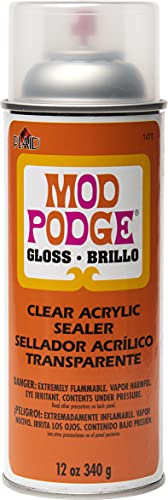

Mod Podge Clear Acrylic Sealer serves as a versatile staple for crafters who transition between various media. It acts much like a reliable workhorse yarn—consistent, dependable, and capable of handling a wide variety of demands without complications.
This sealer is particularly effective for sealing painted wood buttons, rigid decorative labels, or hardened yarn art. It dries relatively quickly, allowing for a timely turnaround if you are rushing to complete a gift.
Because it is not overly thick, it avoids the “gummy” build-up that can ruin the crispness of fine painted details. However, it may not offer the extreme UV protection required for pieces displayed in direct, harsh sunlight.
Krylon Crystal Clear Acrylic Coating: Best Spray

Krylon Crystal Clear is the go-to for a smooth, even finish that doesn’t cloud over darker pigments. When dealing with painted items that need a professional touch, this spray mimics the way a well-balanced yarn blend creates a clean, uniform fabric surface.
The spray application ensures that hard-to-reach crevices in textured projects remain fully protected. It creates a thin, breathable barrier that guards against moisture without making the object feel heavy or plastic-like.
Do note that spray application requires a controlled environment to avoid dust motes settling into the wet finish. Always work in a well-ventilated area to prevent inhaling the fine mist during the process.
Liquitex Professional Varnish: Best Artist’s Choice

Liquitex Professional Varnish brings the high-end standards of fine art painting to the crafting table. Much like selecting a luxury hand-dyed wool for a heirloom project, this varnish offers superior depth and clarity that elevates the final look of the piece.
This is a brush-on medium, which allows for precise, localized application on complex surfaces. It is highly resistant to yellowing, ensuring that bright, intricate designs remain crisp long after the project is complete.
Use this for pieces that require a professional, long-lasting archival quality. It is best applied in thin layers, much like building up a gauge swatch to ensure tension consistency, to avoid pooling or streaking.
Rust-Oleum Clear Enamel Spray: Most Durable
When an object will experience significant handling—such as painted decorative hooks or heavy-duty storage crates—Rust-Oleum Clear Enamel offers an unmatched level of toughness. Think of this as the equivalent of a heavy-duty, tightly-plied cotton yarn that resists abrasion and snapping.
This enamel creates a thick, resilient shell that stands up well to moisture, impact, and frequent touching. It provides a level of security that lighter-duty sprays simply cannot match.
Because it is so durable, it is best reserved for hard, non-porous surfaces. It can be too heavy for delicate fiber-based embellishments, where it might create a rigid, uncomfortable texture.
Aleene’s Acrylic Sealer: Best Matte Finish
Aleene’s is favored for its ability to protect a project without adding an artificial sheen. Many crafters prefer a matte finish to keep the painted object looking natural, similar to the way a matte wool yarn highlights stitch definition without the distraction of a reflective glow.
This sealer eliminates the glare often associated with gloss finishes, allowing the actual color and texture of the paint to shine through. It is exceptionally user-friendly for those who find the reflective qualities of other sealers distracting.
It offers a subtle, sophisticated protection that disappears into the project. If you are aiming for an understated, handcrafted aesthetic, this is the ideal choice.
Golden Archival Varnish: Best for Fine Art
Golden Archival Varnish is designed for longevity and environmental resistance. For projects that are meant to last a lifetime, similar to a meticulously crafted heirloom sweater, this product provides the necessary chemical stability.
It features excellent UV inhibitors, preventing colors from fading even when exposed to ambient light over the years. It is a premium product, but the protection it offers for valuable hand-painted work is significant.
When using this, treat it with the respect you would show a delicate silk or cashmere fiber. Apply it carefully in an environment free of debris, as the quality of the protection is proportional to the care taken during application.
DecoArt DuraClear Varnish: Best for Fabric
DecoArt DuraClear is specifically formulated to remain flexible, which is critical when painting on fabric surfaces. Rigid sealers can cause painted fabric to crack or peel, much like using a non-stretchy, synthetic fiber for a garment that requires ease and movement.
This varnish integrates with the fibers of the fabric, maintaining a soft hand-feel even after it has cured. It is the perfect choice for painted tote bags, hats, or fabric-covered accessories.
Always test on a small, inconspicuous scrap of the fabric first to ensure the sealer doesn’t darken or stiffen the material excessively. Once satisfied, it provides a washable, durable result that holds up under regular use.
Choosing Your Sealer Finish: Matte vs. Gloss
Selecting between matte and gloss is a matter of both aesthetic preference and practical necessity. Matte finishes are excellent for hiding minor imperfections in the painting process, as they do not reflect light directly off the surface.
Gloss, by contrast, enhances the vibrancy of colors and adds a polished, professional sheen. Glossy surfaces are often easier to wipe clean, which makes them a logical choice for high-traffic items.
- Matte: Best for textured surfaces, avoiding glare, and keeping a natural look.
- Gloss: Best for highlighting intense colors, creating a “wet” look, and ease of cleaning.
If you are unsure, consider the end-use of the project. A decorative ornament might benefit from the pop of gloss, while a piece of functional wall art might look more sophisticated with a matte finish.
Spray vs. Brush-On Sealers: Which is Better?
Spray sealers provide a uniform, thin layer that is ideal for intricate shapes, textured surfaces, and items with many small details. They are efficient and eliminate the risk of brush strokes, but they require a steady hand and a draft-free environment.
Brush-on sealers offer more control, allowing you to reach tight corners and build up thickness exactly where needed. These are superior for larger, flatter projects where you want a substantial, protective coating.
- Use Spray for: Lightweight objects, detailed carvings, and when time is a priority.
- Use Brush-on for: Large flat surfaces, delicate fabric projects, and when extreme durability is required.
Ultimately, the choice depends on the specific project at hand. A brush-on sealer provides a thicker barrier, whereas a spray is less likely to leave visible streaks on smooth surfaces.
How to Prep Your Surface for a Perfect Seal
Preparation is the secret to a professional-looking finish, just as proper washing and blocking determine the outcome of a knitting project. Never attempt to seal a surface that is dusty, oily, or damp, as these contaminants will interfere with the adhesion of the sealer.
Ensure the acrylic paint is completely cured before applying any sealant, as trapping moisture underneath can lead to clouding or peeling. If you are painting on a porous surface like wood, a light sanding after the first coat of paint can create a smoother foundation.
When the piece is dry and dust-free, apply thin, even coats rather than one heavy, thick layer. This technique prevents drips and ensures a consistent, professional finish that stands the test of time.
Investing in a high-quality sealant is the final, crucial step in protecting the effort put into a hand-painted project. Whether choosing a flexible fabric varnish or a tough enamel spray, the right product ensures your work remains as vibrant as the day it was finished. Consistent care and proper application will yield long-term results that honor the craftsmanship of your original design.