7 Best External Storage Cases For Design Hardware
Protect your creative tools with our guide to the 7 best external storage cases for design hardware. Shop our top picks and keep your gear safe on the go today.
A chaotic knitting bag filled with loose circular needles, tangled stitch markers, and dull tapestry needles can turn a relaxing project into a source of constant frustration. Proper storage is not merely about aesthetics; it is about protecting precision-engineered tools and ensuring that the right needle size is always within reach. Investing in high-quality storage hardware transforms a craft space from a cluttered pile into a functional, ergonomic sanctuary. Choosing the right vessel for these tools will directly impact the speed, efficiency, and joy of the knitting process.
Della Q Maker’s Canvas Caddy: Best Overall Pick
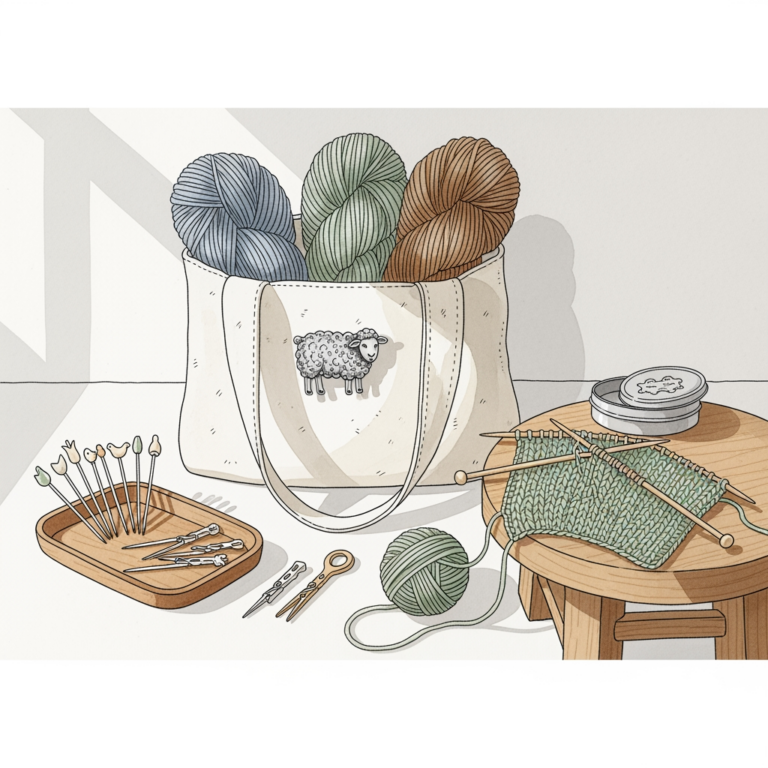
The Della Q Maker’s Canvas Caddy earns the top spot for its balance of structural integrity and intelligent internal organization. Crafted from waxed canvas, it possesses the durability required to withstand the weight of multiple heavy-gauge needle sets and metal tools without sagging or losing shape.


The design excels at housing circular needles, which are notorious for tangling if improperly stored. With dedicated slots for needle tips and generous pockets for cables, it keeps hardware flat and kink-free, which is essential for maintaining smooth, uniform stitches during colorwork or lace projects.
Bottom line: Choose this if the priority is long-term tool protection and a workspace that remains organized even during complex, multi-project workflows.
Thread & Maple Needle Binder: For Interchangeables
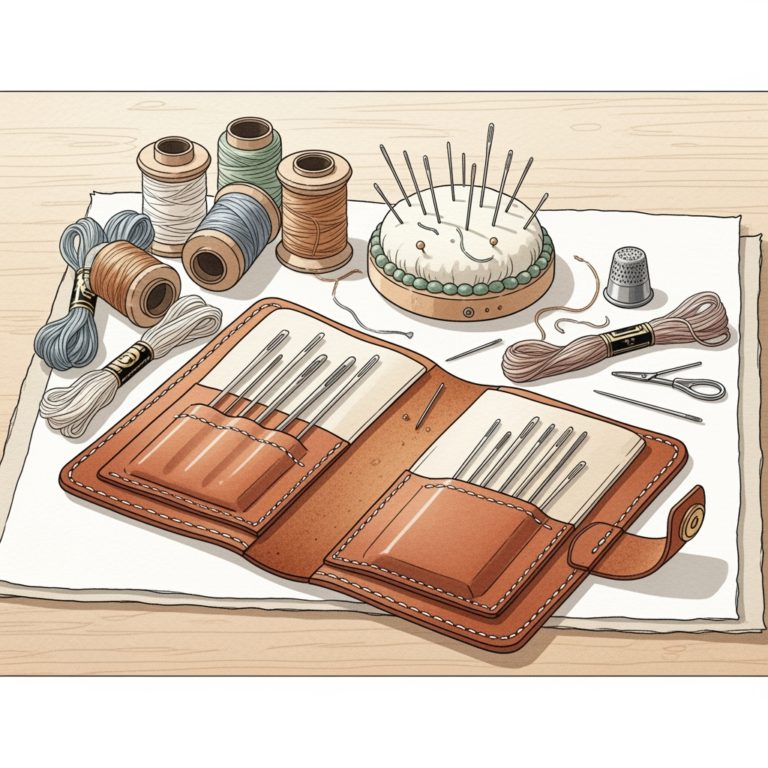
Interchangeable needle sets represent a significant investment in precision engineering and material quality. The Thread & Maple Needle Binder treats these tools with the respect they deserve, utilizing a sophisticated system of labeled pages that prevent tips from rubbing together and scratching delicate finishes.
This binder mimics a professional portfolio, making it ideal for the knitter who values quick visual identification of sizes. Because the pockets are sized for specific sets, there is no chance of misplacing a 3.5mm tip in a pocket intended for a 5.0mm, preventing the common frustration of gauge errors caused by using the wrong needle diameter.
Bottom line: If the collection focuses on high-end metal or wood interchangeable sets, this binder is the most effective way to prevent surface damage and keep sizing organized.
Cocoknits Kraft Caddy: Most Versatile System
The Cocoknits Kraft Caddy is a standout for those who prefer an open-top, highly modular approach to storage. Made from washable paper, it mimics the sturdiness of leather while remaining lightweight, allowing it to move effortlessly between a dedicated desk and a living room sofa.

This caddy is exceptionally useful for “project-based” storage, where all tools for a specific sweater or blanket reside in one place. By incorporating magnetic add-ons and various interior compartments, it caters to makers who prefer to see all their accessories at a glance rather than digging through zipped pouches.
Bottom line: This is the premier choice for visual learners who thrive when their tools are easily accessible and visible at all times.
GoKnit Pouch: Perfect for Travel & On-the-Go
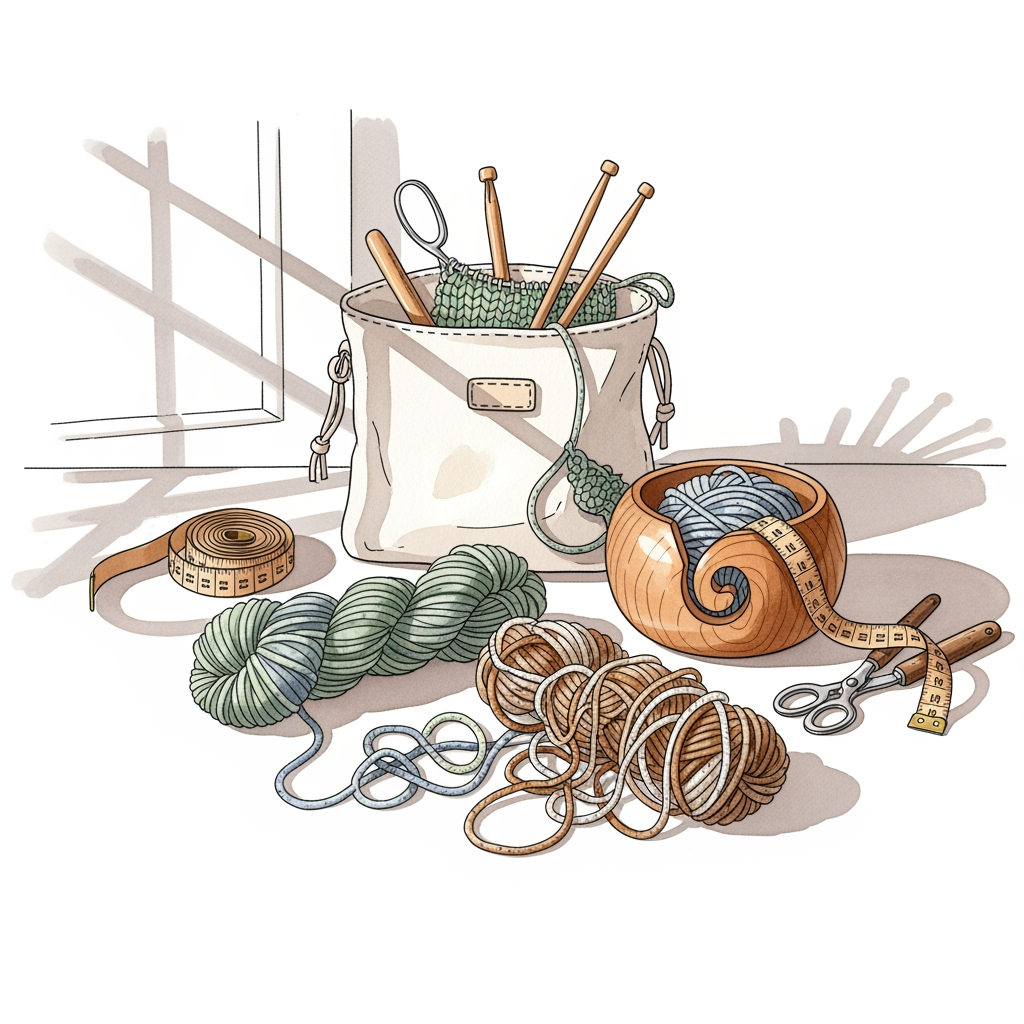
Portability is the defining factor for the knitter who frequently transitions between public transit, waiting rooms, and knitting retreats. The GoKnit Pouch utilizes a unique drawstring mechanism that secures the project while allowing the yarn to feed through cleanly, preventing mid-transit tangles.
While simple in design, the durability of the material ensures that sharp needle points do not puncture the fabric. It is particularly effective for sock knitters who carry their double-pointed needles or mini-circulars alongside a small skein of fingering weight yarn.
Bottom line: If travel is the primary knitting mode, the minimalist, snag-free design of the GoKnit Pouch is an essential companion.
Atenti Tool Pouch: The Stylish & Durable Choice

Atenti brings a level of textile artistry to storage that feels like a natural extension of the craft itself. These pouches are constructed with heavy-duty upholstery fabrics, meaning they can handle the sharp points of bamboo or carbon fiber needles without fraying or tearing.
Beyond their durability, they provide a structured home for those miscellaneous items that get lost in the bottom of a bag: tape measures, crochet hooks for dropped stitches, and extra cable connectors. They offer a refined aesthetic that bridges the gap between functional equipment and personal style.
Bottom line: Choose an Atenti pouch for a rugged, long-lasting storage solution that doubles as a sophisticated fashion accessory.
Namaste Maker’s Train Case: For Ultimate Capacity
The Namaste Maker’s Train Case is intended for the knitter who refuses to leave any tool behind. Its hard-shell structure acts as a protective bunker for needles, scissors, and various notions, ensuring that even the most delicate specialized tools remain shielded from impact.
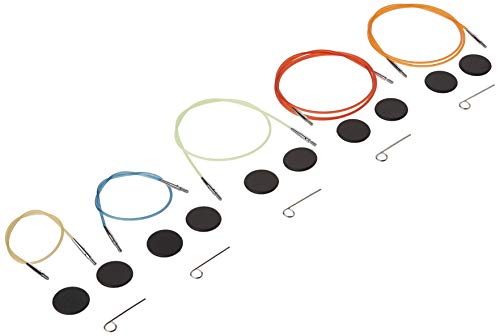
The internal capacity is vast, allowing for the storage of bulky items like crochet gauge templates, large project journals, and multiple sets of interchangeable cables. If the fiber arts practice includes spinning, dyeing, or needle felting, this case provides the volume necessary to consolidate all disparate kits.
Bottom line: This is the ultimate headquarters for a stationary craft room, offering superior protection for a large, diverse tool collection.
Yazzii Craft Organizer: Best for Small Notions
Precision tools require precision storage, and the Yazzii Craft Organizer is designed for the micro-details of knitting. With its plethora of small, transparent zippered compartments, it ensures that stitch markers, cable needles, and tapestry needles are never relegated to a chaotic junk drawer.
The transparent windows allow for instant identification of items, which is vital when transitioning between complex projects. It eliminates the time spent searching for a locking stitch marker during a pattern’s decrease row, keeping the rhythm of the knitting uninterrupted.
Bottom line: Invest in this organizer to master the smallest details of your craft, effectively preventing the loss of vital, hard-to-replace notions.
How to Choose the Right Case for Your Craft Tools
Selecting the right storage is dictated by the scope of the collection and the mobility of the lifestyle. If the majority of knitting happens in one place, prioritize capacity and structural rigidity to protect investments. If mobility is key, prioritize weight, security, and compactness.
Consider the “point” factor: are the needles made of wood, which can snap under pressure, or metal, which can get scratched? Hard-sided cases are superior for wood, while soft, lined pouches are sufficient for metal and carbon fiber sets.
Bottom line: Audit the collection before purchasing; match the material of the storage case to the fragility of the tools inside.
Key Features: Pockets, Zippers, and Portability
Not all hardware is created equal. A high-quality zipper is the difference between a lifetime of use and a storage case that fails after six months of repetitive opening and closing. Look for metal zippers with smooth tracks that do not snag on stray yarn fibers.
Pockets should vary in size and material. Elasticized pockets are ideal for needles, while clear, vinyl-free plastic pockets allow for quick scanning of contents. Avoid hardware with abrasive edges, as these can catch on fine wool or silk yarns and cause unwanted snagging during transport.
Bottom line: Prioritize hardware durability; a sturdy zipper and snag-free materials are non-negotiable for protecting valuable yarn and needles.
Organizing Your Tools: A Pro Knitter’s System
A professional organizational system relies on logical grouping rather than arbitrary placement. Group tools by function: have a dedicated “essential” kit for every project (scissors, tape measure, crochet hook, markers) and a separate “library” kit for all needle sizes.
Maintain a “reset” habit. At the end of every project, return all needles and notions to their specific homes. This prevents the accumulation of “orphan” needles that inevitably lead to buying duplicates, saving both money and storage space in the long run.
Bottom line: Consistency is the soul of organization; adopt a system that is easy to maintain so that tools return to their place after every bind-off.
Well-organized tools are the hallmark of a committed maker, ensuring that every project begins with precision and ends with pride. By selecting storage that matches specific needs and habits, the focus remains where it belongs: on the stitches themselves.