6 Best Work Tables For Heavy Projects That Last
Looking for a durable workspace? Explore our top 6 best work tables for heavy projects that last. Click here to choose the perfect, rugged bench for your shop.
Serious fiber arts projects demand more than just a dedicated corner; they require a foundation that withstands hours of intensive labor. Whether blocking a massive wool tapestry or steaming intricate lace, a wobbly table leads to uneven tension and physical strain. Investing in a heavy-duty surface transforms a chaotic hobby space into an ergonomic studio. Stability is the foundation of every high-quality finished garment.
Gladiator Adjustable Workbench: Most Durable


The Gladiator Adjustable Workbench stands as the gold standard for those who demand absolute rigidity. Its heavy-duty steel frame prevents the subtle vibrations that can ruin delicate lace blocking or precision seam pinning.
This table is built for the knitter who routinely manages heavy looms or multiple bins of dense, heritage-breed wool. Because the height is adjustable, it bridges the gap between a standing cutting table and a seated workstation for hand-sewing buttons or weaving in ends.
The primary trade-off is its sheer weight, making it a permanent fixture once assembled. Opt for this model if the workspace is dedicated and floor stability is non-negotiable.
Husky Heavy-Duty Work Table: Great Value Pick
The Husky Heavy-Duty Work Table offers industrial-grade strength without the premium price tag. Its solid construction provides a level surface that remains steady even when piled high with heavy yarn stashes or weighted blocking boards.
For the budget-conscious maker, this table removes the need for multiple smaller surfaces. The powder-coated finish ensures that even when spilled with dye or water from steam blocking, the surface remains pristine and easy to wipe clean.
While it lacks the granular customization of high-end specialized craft cabinets, it excels at providing a vast, flat workspace. It is the perfect choice for the knitter who prioritizes raw surface area for garment assembly and blocking over built-in drawers.
Arrow K8811 Kangaroo Cabinet: Best for Quilters
While designed with sewing machines in mind, the Kangaroo Cabinet is a dream for those who combine knitting with garment construction. Its dedicated lift mechanism allows tools to stay hidden until needed, keeping the workspace clutter-free.
Fiber artists who focus on sewing linings into knitted cardigans or creating mixed-media pieces will appreciate the specialized storage. The ability to hide the sewing machine away creates a clean, flat surface ideal for delicate blocking or charting complex colorwork patterns.
Keep in mind that the construction is more intricate than a standard steel bench, requiring careful assembly. This cabinet is ideal for the multi-disciplinary crafter who needs a multifunctional hub rather than a simple industrial table.
SEVILLE Classics UltraHD: Top All-Rounder Pick
The SEVILLE Classics UltraHD strikes a balance between professional utility and home-friendly aesthetics. Its stainless steel top is non-porous and incredibly durable, which is essential if you work with natural fibers that might shed or transfer dye.
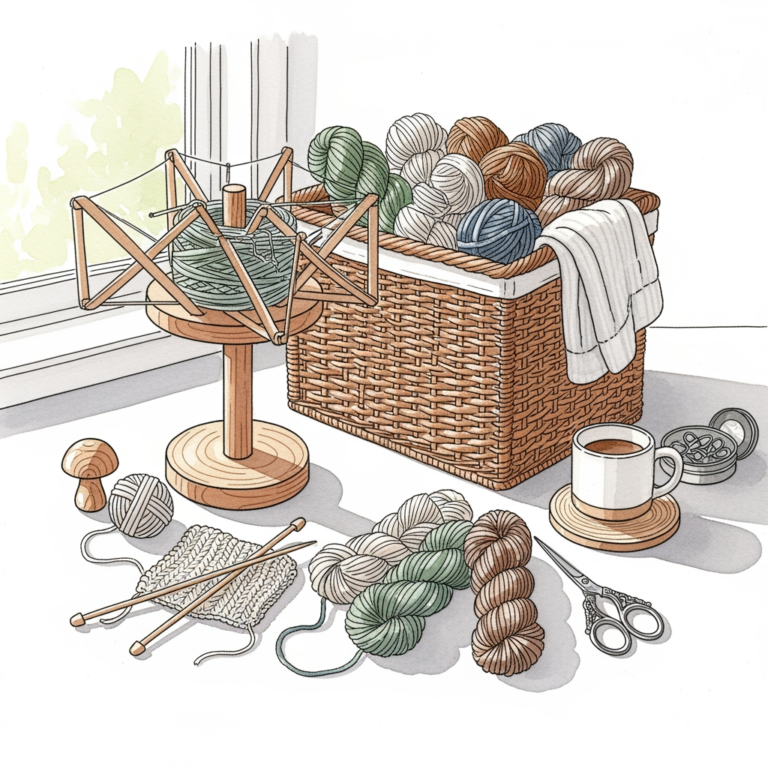
The added storage shelf provides a home for knitting baskets, heavy-duty steamers, or bulky swifts and ball winders. It is rigid enough to handle the pressure of heavy steam irons used during the finishing process of dense, felted projects.
If a polished look matters as much as performance, this table fits well in a multipurpose room. It offers high-end stability without looking like it belongs solely in a construction garage.
Lifetime Folding Table: Best Portable Option
The Lifetime Folding Table is the practical solution for knitters who rotate their workspace based on the project size. When working on a massive blanket that requires floor space, a table that can quickly collapse and move is invaluable.
Do not mistake “folding” for “flimsy”; these tables are rated for significant weight. They provide enough stability to hold heavy, water-saturated pieces during the drying phase of blocking, provided the floor is level.
This is the most honest option for beginners or those in shared living spaces where a permanent table is not feasible. It trades long-term industrial durability for total flexibility and convenience.
Sauder Craft Pro Table: Maximum Storage Pick

The Sauder Craft Pro Table addresses the reality that knitting involves more than just needles and yarn. With its integrated shelving and drawer systems, it keeps notions, patterns, and extra yarn organized within arm’s reach.
An organized space reduces the risk of yarn tangles and misplaced gauge rulers. Having specific compartments for different needle sizes and circular cord lengths saves precious time when transitioning between projects.
Be aware that this table requires more floor space and careful planning for assembly. Choose this option if the biggest barrier to your knitting progress is a lack of organizational capacity.
What to Look for in a Heavy-Duty Craft Table
Look for a high weight capacity that exceeds the total load of your materials and the pressure applied during blocking. A table that flexes under weight will lead to uneven surfaces, potentially warping the shape of your knitted garments.
Weight is an advantage here; heavier tables are less likely to shift while you are pinning down a lace shawl. Seek out adjustable leveling feet, which are crucial for compensating for uneven floorboards in older homes.
Avoid particleboard surfaces that can swell when exposed to the moisture inherent in steam blocking. Always prioritize moisture-resistant finishes that won’t snag delicate fibers like mohair or silk.
Finding Your Perfect Table Height for Comfort
Correct height is essential to prevent the repetitive strain injuries that often plague long-term knitters. If you are knitting for hours, your workstation should allow your elbows to rest at a 90-degree angle to avoid shoulder fatigue.
A standing desk or adjustable table allows you to switch positions, which is vital for the health of your back and wrists. If you prefer to sit, ensure the table height allows for plenty of legroom so you do not hunch over your project.
Test your preferred height by standing or sitting at a surface and simulating the motion of sewing a seam or pinning a swatch. If you feel tension in your neck after a few minutes, the table is either too high or too low.
Table Surface Guide: Wood vs. Laminate vs. Steel
Steel tops are the most durable and easiest to sanitize, making them ideal for messy dyeing or heavy steaming tasks. They provide a perfectly flat, non-porous surface that won’t absorb dyes or oils from your hands.
Wood tops provide a natural, non-slip grip that is excellent for pinning pieces into place, but they require sealing to prevent moisture damage. Laminate is the middle ground, offering a smooth, easy-to-clean surface that is generally more affordable than steel.
Consider the “tack” of the surface; a slightly textured laminate is often easier to work on than a slick stainless steel sheet when handling slippery silk yarns. Choose based on whether your primary concern is durability or ease of pinning and fiber handling.
Keeping Your Work Table Stable and Level
Stability is not just about the table; it is about the contact points with the floor. Use high-quality rubber or felt pads under the feet to prevent sliding, which is especially important on hardwood surfaces.
A spirit level is an essential, inexpensive tool to keep in your studio. Ensure the table is perfectly level in both directions; even a slight slant can result in asymmetrical blocking of large pieces.
Tighten all bolts and fasteners every few months, especially if you move the table or apply heavy pressure frequently. A few minutes of maintenance prevents the hardware loosening that creates the dreaded “wobble” during delicate finishing work.
Selecting a robust work table is an investment in the longevity of your knitting practice. By prioritizing stability, proper height, and surface material, you ensure that every project receives the care it deserves. A solid workspace supports your creative flow and protects your body from unnecessary strain, allowing you to focus entirely on the rhythm of the needles.