6 Best Cord Wraps For Tangle Free Lighting To Use
Stop struggling with messy cables. Discover the 6 best cord wraps for tangle-free lighting to keep your home organized. Shop our top product picks today.
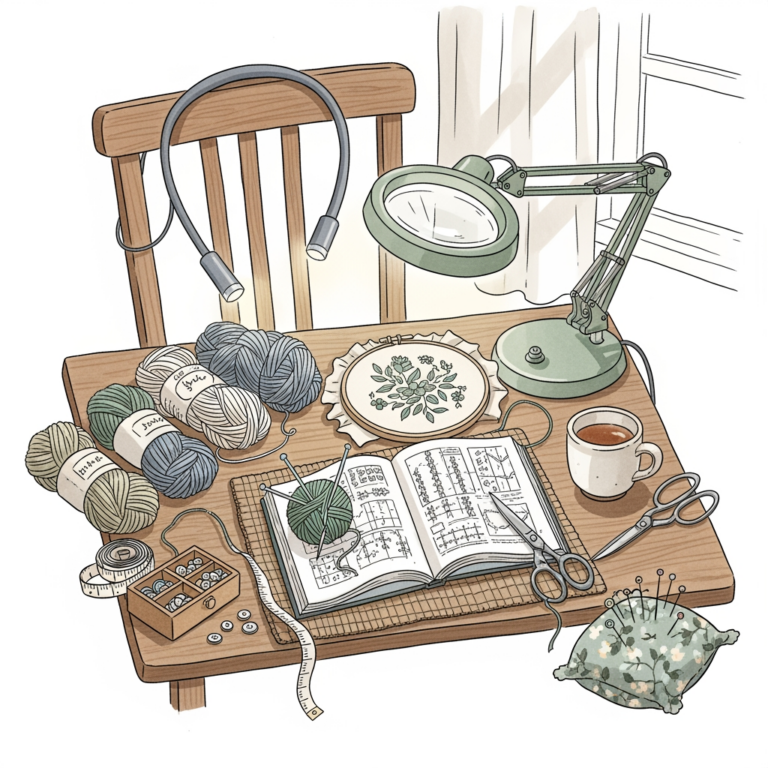
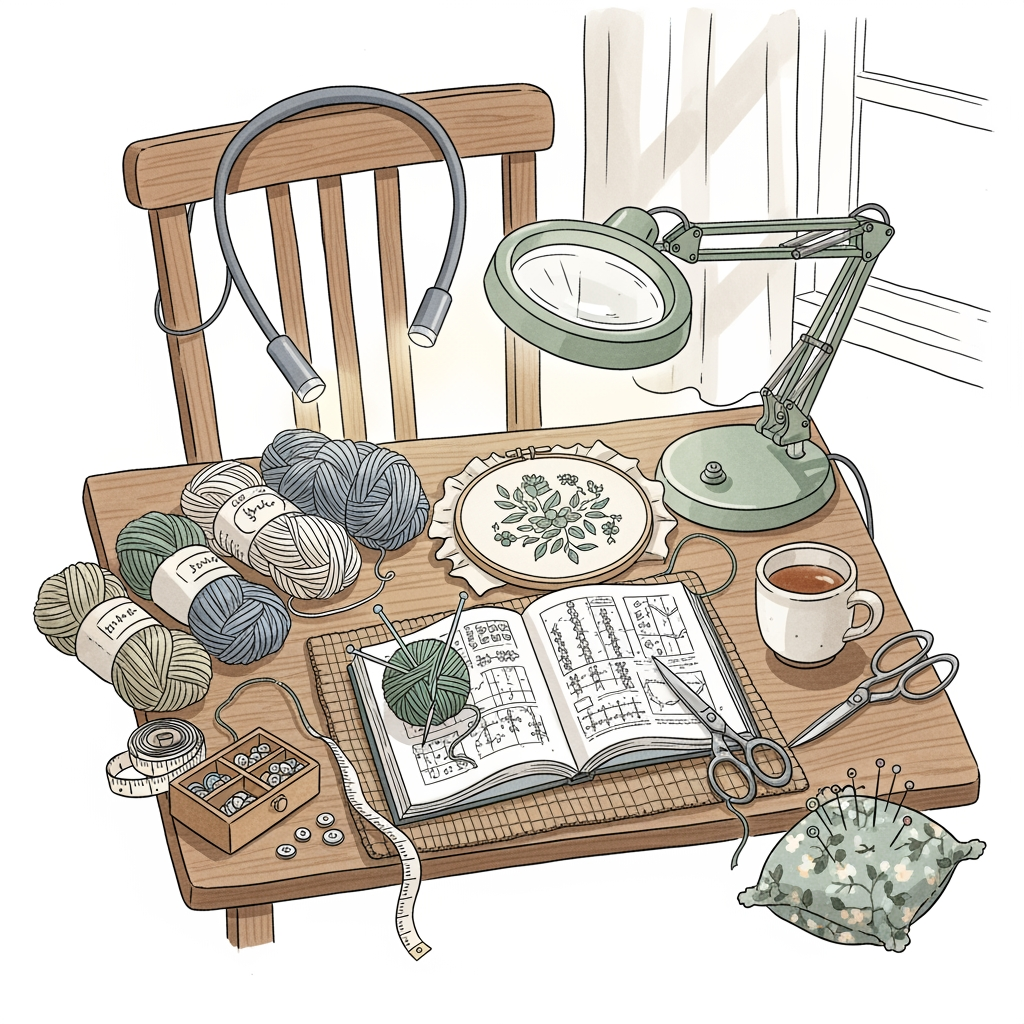
Whether working on an intricate lace shawl at midnight or finishing a complex colorwork sweater, proper lighting is the unsung hero of a successful project. Tangled cords near needles and yarn cakes are more than just a nuisance; they are a genuine hazard that can snag delicate fibers or pull your work off the table. Investing in a reliable cord management system ensures that the workspace remains clear, safe, and focused on the stitches at hand. This guide explores the best solutions for keeping your studio clutter-free and your focus entirely on the craft.
Nite Ize Gear Tie: Most Versatile Cord Tamer


These rubber-coated wire ties act like a reusable twist-tie with an industrial-grade grip. Their primary advantage lies in their flexibility, allowing them to secure anything from a thin LED task light cord to a bulky power strip.
When working with fine alpaca or delicate mohair, you need tools that won’t leave snags or residue. The soft rubber exterior protects cords from abrasions while providing enough friction to keep them bundled tightly without putting stress on the connection point.
Because they are fully adjustable, they excel at managing the “extra” length of a lamp cord that often drapes dangerously across a workstation. If you need to relocate your task light from your chair to your coffee table, these ties reposition in seconds.
UT Wire Q-Knot: Best for Small Lamp Cords
The Q-Knot features a simple, “cinch-and-lock” design that works exceptionally well for thin-gauge wires. It operates much like a zip tie but is entirely reusable and doesn’t require tools to remove.
Knitting often requires moving lighting sources closer to the work as the day fades or as stitch patterns become more complex. The compact nature of the Q-Knot prevents bulky plastic from cluttering a small side table where you keep your notions bowl and row counter.
While they are excellent for thin cords, they struggle with heavy-duty power bricks. Use these exclusively for the lighter-weight power cables found on modern LED craft lamps to avoid overstretching the silicone.
Bluelounge Cableyoyo: Sleekest Self-Winder
This circular spool hides the excess cord inside a sleek housing, leaving only the necessary length exposed. It is an ideal solution for those who appreciate a tidy aesthetic in their crafting space.
A cluttered surface can lead to dropped stitches and lost stitch markers. By winding the slack into the Cableyoyo, you eliminate the loops that frequently catch on your yarn or the points of your knitting needles.
The center of the spool is often magnetic, which can be surprisingly useful for keeping a pair of small scissors or metal stitch markers nearby. It is a premium choice for a dedicated knitting desk where organization is a priority.
Avantree Cord Ties: Best Budget Multi-Pack
When outfitting a full studio space with multiple lamps, magnifiers, and charging stations, a multi-pack of Velcro-style ties is the most cost-effective approach. These strips are soft, easy to use, and infinitely adjustable.
The fabric-based nature of these ties means they won’t scratch wood surfaces or snag on wool fibers. They are particularly useful for bundling cables that aren’t moved often, such as the cord for a floor-standing daylight lamp.
Because they come in large quantities, they are perfect for managing the “web” of cables behind a craft desk. Keep a few spares in your knitting bag for emergencies, as they are lightweight and won’t add bulk to your gear.
Leather Cord Snaps: Top Choice for Style
For those who treat their craft space as an extension of their home decor, leather cord snaps offer a sophisticated, tactile solution. They utilize a simple button or snap to hold coils of cord neatly in place.
These are best suited for static setups where your lamp lives in one permanent location. Unlike synthetic ties, leather develops a beautiful patina over time, echoing the natural materials often favored by serious knitters, such as bamboo needles and wool yarn.
Be mindful that leather can be stiffer than silicone or velcro. Ensure the cord is wound loosely to avoid placing unnecessary tension on the cable housing, which can cause micro-fractures in the wire over time.
Command Cord Bundlers: Best for Wall Mounts
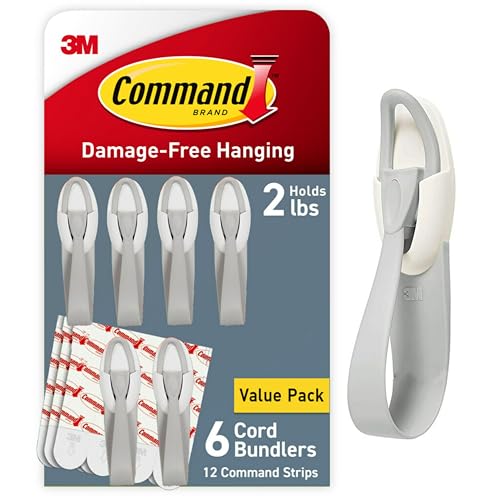
Command cord clips are designed to adhere directly to the wall or the back of a desk leg, effectively routing your lighting cables away from your legs and workspace. They remove the cord from the equation entirely by keeping it pinned to a vertical surface.
This is the ultimate solution for avoiding the “trip and pull” scenario where a dangling cord gets caught on a chair leg. When your workspace is clear of wandering wires, you have more room to maneuver large blankets or sweaters during the blocking or assembly process.
Follow the application instructions carefully to ensure they adhere to your wall or furniture. Once removed properly, they leave no residue behind, making them a safe choice even for rented spaces or high-quality furniture.
How to Pick the Right Cord Wrap for Your Light
Choosing the right system depends on the thickness of your cord and the frequency with which you move your light. A heavy-duty floor lamp requires a sturdier, broader wrap, while a delicate tabletop light works best with a minimal, low-profile tie.
Consider the following factors: * Cord Diameter: Ensure the wrap can accommodate the gauge of the cable without crushing it. * Mobility: Choose reusable, quick-release options if the lamp is moved often. * Workspace Surface: Use adhesives for permanent cable routing and flexible ties for movable equipment.
Always prioritize ease of access. If the system is too complicated to use, the cords will likely remain tangled.
Cord Wrap Safety Around Hot Craft Lights
While many modern craft lamps use LEDs that remain cool to the touch, older halogen or incandescent bulbs can generate significant heat. Never place a plastic or synthetic cord wrap in direct contact with a bulb or a lamp housing that becomes hot during use.
Overheating can cause plastics to melt, potentially damaging the cable insulation or creating a fire hazard. Always secure your wraps at least several inches away from the light source and ensure the cord is not pulled tight against the lamp’s heat-venting areas.
Inspect your cord wraps periodically for signs of degradation. If a wrap appears brittle or discolored, replace it immediately to maintain the integrity of your electrical setup.
Beyond Lights: Using Wraps for Yarn & Tools
Cord wraps are surprisingly versatile additions to a knitter’s tool kit. Gear ties and velcro strips can be used to secure long circular needle cables, preventing them from tangling inside a project bag.
They can also be used to bundle sets of interchangeable needles or to keep a measuring tape tightly coiled. For traveling knitters, a couple of gear ties can secure a skein of yarn to a wrist bag, ensuring it doesn’t roll away during transit.
When repurposing these tools, keep the same rule in mind: avoid excessive tension. Just like electrical cords, delicate yarn fibers should never be constricted by rigid or over-tightened closures.
Silicone vs. Velcro vs. Leather: Which is Best?
Each material offers a distinct balance of friction, durability, and aesthetics. Silicone provides a superior grip and is generally waterproof, making it the most resilient option for high-traffic areas.
Velcro (hook-and-loop) is the most forgiving material, offering infinite adjustability that is perfect for those who frequently change their studio configuration. Leather is the superior choice for a long-term, visually pleasing solution, though it lacks the sheer flexibility of its synthetic counterparts.
- Silicone: Best for durability and weather/spill resistance.
- Velcro: Best for versatility and speed.
- Leather: Best for aesthetics and permanence.
Ultimately, the best choice is the one that disappears into the background of your workspace, allowing you to focus entirely on your needlework.
Effective cable management is the mark of a master crafter who respects their tools as much as their materials. By selecting the right cord wrap for your specific lighting setup, you ensure a smoother, safer, and more enjoyable knitting journey. Happy stitching.