6 Best Hobby Sets For Beginner Art Students To Master
Start your creative journey with our top 6 hobby sets for beginner art students. Choose the perfect kit to master your artistic skills and start creating today.
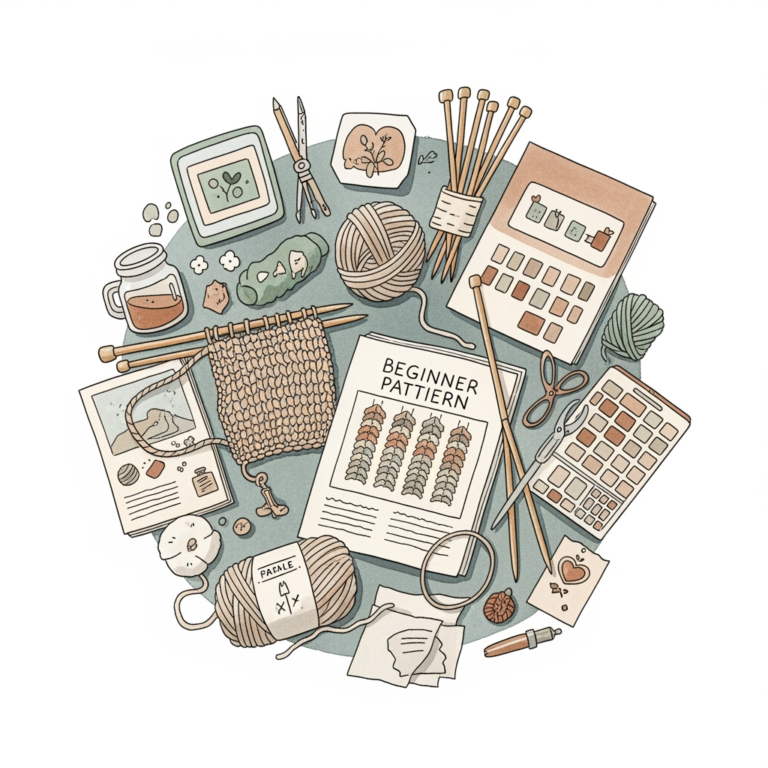
Stepping into the world of fiber arts often feels like standing before an infinite wall of yarn, tools, and techniques. The right starter kit serves as a bridge, transforming overwhelming possibilities into a manageable, tactile experience that builds confidence with every stitch. Choosing a high-quality foundation is the difference between a frustrating tangle of knots and a lifelong creative passion. These six curated kits offer the clearest paths to mastery for those eager to develop genuine skill.
KnitPicks Beginner Basics Kit: Best for Knitters


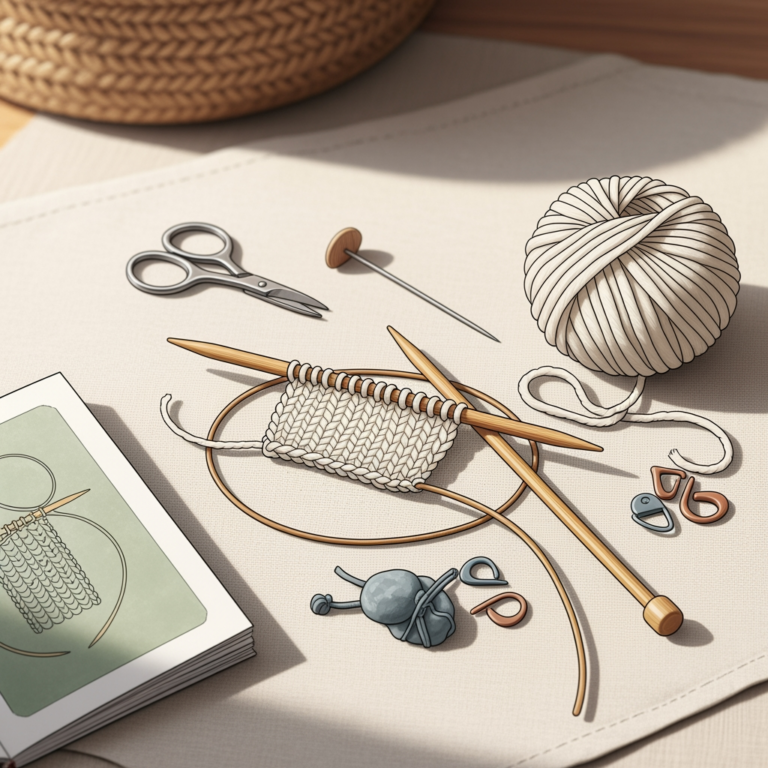
Learning to knit requires tools that provide enough resistance to prevent loops from sliding off, but enough smoothness to maintain consistent tension. Wooden needles are the gold standard for beginners because they offer a slight grip that synthetic or metal needles often lack.
This kit provides a balanced entry point by including needles with a tapered point that makes entering stitches easier. When needles are too blunt, splitting the yarn becomes a common annoyance; when they are too sharp, the fingertips become sore after long sessions.
The weight of the needles and the drape of the included yarn directly influence the quality of the finished fabric. Beginners often struggle with “tight” knitting, which makes the final garment stiff and uncomfortable. If the stitches feel forced, move up one needle size to allow for more movement and a softer, more professional texture.
DMC Wildflower Embroidery Kit: For Floral Stitching

Embroidery offers an accessible introduction to needlework without the physical demand of managing large quantities of yarn. The DMC kits prioritize clarity in pattern transfer and thread selection, which are the two most critical variables in successful embroidery.
A common pitfall in embroidery is using too much thread at once, which leads to bulky, uneven work. Master the art of “stripping” the floss—separating the six individual strands of cotton—to create thinner, more refined lines. This level of detail elevates a project from a simple craft to a delicate work of art.
Fabric choice within a kit determines how well the needle passes through the weave. A tightly woven cotton is forgiving for beginners, as it holds stitches securely without puckering. Always ensure the fabric is pulled drum-tight within the embroidery hoop to maintain even tension across the design.
The Woobles Crochet Kit: Easiest to Learn From
Crochet is often described as the most intuitive fiber art because it involves only one active loop at a time. The Woobles system excels by using specialized yarn that doesn’t split, making it significantly easier to see the anatomy of each stitch.
Seeing stitch anatomy is the primary hurdle for new crocheters who often struggle to find where to insert the hook. By using yarn that resists fraying, the kit removes the visual noise that usually obscures the “V” shape of a stitch. This allows the maker to focus on consistency and muscle memory rather than fighting the materials.
Remember that crochet typically creates a denser fabric than knitting, which is why it is perfect for three-dimensional projects like amigurumi. If the crochet hook feels awkward in the hand, experiment with different grips—pencil versus knife—to find which provides better control during long periods of work.
Beka Rigid Heddle Loom: Best for First-Time Weavers

Weaving is a mechanical process that rewards an understanding of structure and pattern. A rigid heddle loom is the perfect compromise between a simple frame loom and a complex floor loom, allowing for the creation of usable scarves and table runners.
The warp—the yarn held under tension on the loom—must be consistent to avoid gaps in the finished fabric. Managing the tension is the most vital skill to develop here. If the warp is too loose, the shed (the space the shuttle passes through) will be uneven, leading to skipped threads and structural errors.
Avoid the temptation to beat the weft (the yarn passing through) too hard. A common mistake is packing the yarn so tightly that the fabric becomes rigid and rug-like rather than soft and wearable. Focus on a gentle, consistent rhythm for a professional result.
Unbothered Goods Punch Needle Kit: Top for Texture
Punch needling is the closest experience to “painting with yarn,” offering instant gratification through rapid creation of texture. It is a forgiving medium that allows for easy corrections, as stitches can be pulled out and re-punched without damaging the yarn.
The secret to a successful punch needle project lies in the tension of the foundation cloth and the length of the loops. If the cloth is loose, the needle will not punch through properly, and the loops will fall out. Ensuring the fabric is taut in the frame is non-negotiable for consistent results.
Texture is the main draw here, and you should experiment with different yarn weights to see how they affect the density of the design. A thicker, wool-based yarn will create a fuller, more substantial loop, whereas a thinner acrylic may look sparse. Use punch needling to add dimension to pillows or wall art, focusing on color transitions for visual impact.
Modern Macrame Starter Kit: Best for Wall Hangings
Macrame relies entirely on knotting rather than stitching, making it a tactile exercise in geometry and tension. Beginners often overcomplicate their first projects by using slippery synthetic cords that refuse to hold a knot.
This kit emphasizes cotton cord, which is preferred for its grip and natural ability to hold intricate knots without coming undone. When practicing knots like the square knot or the clove hitch, keep your movements consistent to avoid asymmetrical loops. A slight variation in pulling one side of the cord tighter than the other will cause the entire design to twist.
Patience is the most important tool in macrame. Because the work is physical, hands can tire quickly; take frequent breaks to shake out tension in the wrists. As you advance, consider adding wooden beads or metal charms, but always ensure the weight of these elements is distributed evenly to maintain the balance of the piece.
How to Choose Your First Fiber Art Hobby Set
Selecting a kit depends less on the “cool factor” of the project and more on the type of motion you find most comfortable. Knitting and crochet require repetitive, fine-motor hand movements, while weaving and macrame engage the larger muscles of the arms and shoulders.
Consider your personal tolerance for errors. If you prefer a medium where a single mistake can be easily undone without unraveling hours of work, punch needle or macrame are ideal. If you thrive on technical precision and don’t mind the “tink-ing” (unknitting stitch-by-stitch) process, knitting is a rewarding pursuit.
Check the provided tools for quality. Avoid kits that include cheap, plastic needles or hooks that snag the yarn, as these will inhibit your progress. Prioritize kits that offer extra yarn, as beginners inevitably need more material for practice and mistakes than the project strictly requires.
Knitting vs. Crochet: Which Is Right for You?
Knitting creates a V-shaped stitch that results in a draping, elastic fabric, making it the superior choice for sweaters, socks, and delicate garments. Crochet produces a knot-based fabric that is generally thicker and more stable, which is excellent for homewares, blankets, and structured accessories.
The tools also define the experience. A knitter works with two needles to manage dozens of loops simultaneously, which requires a specific set of motor skills to maintain even tension. A crocheter works with a single hook, focusing on a single live loop at a time, which is often considered more forgiving when a mistake occurs.
Decide based on your project goals. If you want to make a cozy, lightweight shawl, look to knitting. If you want to dive into fast-paced home decor or whimsical stuffed animals, crochet is the most direct path.
What to Do After You Finish Your First Kit
Once the final knot is tied or the last end is woven in, the next step is to evaluate your creation honestly. Look for “dropped” stitches or uneven tension, not to criticize, but to understand your personal knitting tendencies. Every fiber artist has a unique “hand,” which is their natural way of tensioning yarn.
Next, seek out a pattern that uses the same technique but introduces one new element, such as a different stitch pattern or a change in fiber. Do not rush to jump into complex lace or intricate cables; mastery is built on the repetition of basics.
Join a local guild or an online community to share your progress. Seeing the work of others who have progressed past the kit stage provides context for what is possible. Use your first kit as a reference point for your growth, and always keep your finished projects to track how your tension and technique improve over time.
Understanding Yarn Fibers in Your Starter Kit
Most kits contain acrylic, wool, or cotton, and each has a specific role in your learning process. Wool is the most forgiving material for knitters; it has “memory” (elasticity) that helps the yarn bounce back into shape and hides minor tension inconsistencies.
Cotton is a non-elastic fiber, which makes it excellent for home decor like potholders or wall hangings, but it can be difficult for beginners to knit with because it does not stretch. Acrylic is an inexpensive, durable synthetic, but it can be slippery and prone to “splitting,” where the needle accidentally pierces the strands of the yarn.
When you finish your kit, look at the label to understand the fiber content. If the project felt difficult, consider if the fiber was the culprit. For example, if you struggled with a crochet project that felt “dead” or stiff, switching to a wool blend for your next project will offer a completely different, more manageable experience.
Mastering fiber arts is a journey defined by the quality of your early practice. By selecting a kit that aligns with your interest and respects the physical realities of the craft, you set the stage for years of rewarding creation. Take your time with the fundamentals, embrace the inevitable learning curve, and remember that every expert began with a single, simple stitch.