6 Best Drying Clips For Drying Gift Tags To Use
Streamline your craft room with our top 6 picks for drying clips. Discover the best tools for drying gift tags efficiently and shop our expert recommendations now.
Finishing a handmade gift tag with a hand-lettered touch or a delicate embroidery accent requires a precise, low-impact way to let it dry. Much like choosing the right blocking wires for a lace shawl, the drying clip selected determines whether the final piece remains pristine or becomes marred by pressure marks. These clips ensure that your finishing touches remain as professional as the project itself. Selecting the right tool is the difference between a polished presentation and a frustrating rework.
Clover Wonder Clips: Best for Delicate Materials
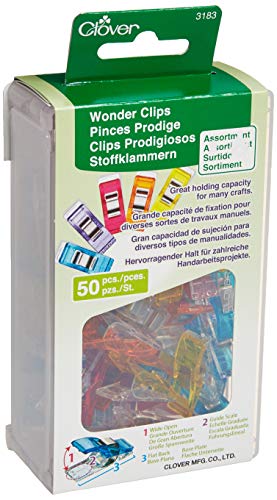

Clover Wonder Clips offer a flat base that prevents the rolling or tilting often seen with round-bodied clips. They provide a firm, consistent hold without the sharp teeth that can easily snag delicate fibers or leave indentations on soft cardstock.
These are the preferred choice when working with hand-dyed paper or tags that have been embellished with fine-gauge silk thread. The tension is strong enough to keep a tag steady but gentle enough to respect the integrity of the material.
If you are accustomed to the grip of metal clips, these may feel slightly less aggressive, but they are far more forgiving. They excel when the tag material is prone to surface damage.
Home Fashions Mini Clothespins: Best Budget Pick

Miniature wooden clothespins are an economical staple for any craft room, offering a lightweight solution for hanging multiple tags in a small workspace. They are simple, functional, and easily replaced if one goes missing.
While these lack the mechanical precision of specialized clips, they are perfect for high-volume drying projects. Because they are inexpensive, buying in bulk allows for the simultaneous drying of dozens of tags.
Use these for standard, sturdy cardstock tags that do not require specialized surface protection. They are a reliable workhorse for routine projects where utility outweighs the need for specialized material care.
Hipgirl Alligator Clips: Top for a Secure Grip
Alligator clips provide the most aggressive hold, which is necessary when dealing with heavy-duty tags or those that have been heavily weighted with beads or thick ribbon. The serrated teeth lock firmly onto the tag edge, ensuring it stays exactly where placed.
These are essential when airflow is restricted and tags need to be suspended vertically to prevent curling. The steel construction ensures that the clip itself will not flex or lose its grip under the weight of wet embellishments.
Avoid these if your gift tags use delicate, snag-prone papers. The sharp teeth are designed for security, not delicacy, and will leave permanent puncture marks on soft or porous materials.
iBayam Small Binder Clips: Most Versatile Option
Small binder clips are the hidden gem of the fiber arts studio, offering a wider surface area than standard clothespins. They distribute pressure more evenly across the tag, which reduces the risk of creating a localized crease.
Their wire arms can be manipulated or removed, allowing you to hang them from a string or set them upright on a table. This flexibility is vital when adapting to different drying environments, such as limited desk space or temporary crafting setups.
Choose the smallest size available to keep the profile low. A massive clip can actually cause a lightweight tag to tip over or bend under its own weight.
Fenglin Stainless Steel Clips: Best Rust-Proof
Stainless steel is non-negotiable if the drying process involves high humidity or if the tags have been sprayed with a moisture-based fixative. Unlike chrome-plated or coated steel, high-quality stainless steel will not oxidize or transfer rust stains onto your finished work.
These clips are generally sleek and minimalist, making them ideal for a clean, professional look. They are built for longevity, ensuring they remain a permanent fixture in your toolkit for years to come.
Ensure the edges of the metal are smooth to prevent potential abrasions. A quick inspection for burrs before the first use is a simple step to guarantee the safety of your tags.
Juvale Wood Clips with Jute: Best Display Set
If the drying process is part of a larger gift-giving display, wood clips combined with natural jute provide an organic, rustic aesthetic. They are ideal for tags that incorporate natural fibers, twine, or raw materials.
The jute cord serves as an instant, ready-to-use drying line that can be strung between two points in the room. It offers a soft, non-abrasive surface that is far kinder to paper tags than rigid wire.
While beautiful, consider these a secondary option for functional drying. They are best suited for lightweight, finished tags rather than heavy, wet-process projects that require intensive support.
How to Choose the Right Clip for Your Project
Selecting a clip begins with evaluating the tag’s weight and texture. A thin, embossed paper tag needs a soft-touch plastic clip, while a heavy, layered-cardstock tag can handle the secure hold of a metal binder clip.
Think about the environment as well. If the drying area is near a window or in a humid basement, rust-proof materials are essential to avoid project damage.
Always match the clip size to the tag size. An oversized clip on a small gift tag creates unnecessary drag and can lead to uneven drying or warping of the tag itself.
Preventing Marks and Dents on Your Gift Tags
To protect delicate finishes, place a small scrap of acid-free tissue paper or a tiny piece of felt between the clip’s teeth and the tag. This creates a protective buffer that absorbs the pressure and prevents indentations.
Avoid leaving tags clipped for longer than necessary once they are dry. Prolonged pressure, even from the gentlest clip, will eventually leave a mark on almost any material.
If you notice signs of stress, such as fibers compressing or cardstock dimpling, immediately move the clip to a different area of the tag. Rotating the clip position during the drying cycle can also help prevent permanent marks.
Metal vs. Plastic vs. Wood: Which Clip is Best?
Metal clips are unparalleled for strength and durability, but they carry the risk of rust and sharp-edged damage. Plastic clips, particularly those with wide, flat surfaces, are the safest bet for delicate or surface-sensitive tags.
Wood clips occupy the middle ground, offering a decent hold with a natural, non-marking grip. However, they can harbor moisture if the wood is unfinished, which may lead to discoloration over time.
Base your choice on the material properties of the tag. Plastic for delicate papers, metal for weighted or heavy applications, and wood for general, decorative use provides a balanced toolkit for any maker.
Creative Ways to Set Up Your Tag Drying Line
A dedicated drying line should prioritize airflow above all else. Stringing cotton twine across a doorway or between two tension rods allows air to circulate freely around the entire tag, preventing moisture traps.
Alternatively, consider using a tension curtain rod in a small closet to create a temporary, dedicated drying station. This hides the project from view while keeping it safe from accidental bumps or dust.
For a tabletop setup, attach the clips to the edge of a clean, stiff piece of cardboard, then stand the cardboard up. This minimizes the footprint and keeps your work accessible without cluttering your entire workspace.
Proper tool selection is as critical to the final polish of your gift tags as the choice of yarn is to the drape of a sweater. With the right clips and a bit of care, every tag becomes a professional-grade accessory worthy of the gift it adorns.