6 Translucent Sticky Notes For Annotating Worth Using
Enhance your study routine with these 6 top-rated translucent sticky notes for annotating. Find the perfect transparent set for your books and shop them today.
When you are deep into a complex lace chart or tracking a multi-repeat cable pattern, the last thing needed is a paper slip obscuring the stitch symbols. Translucent sticky notes act as a transparent window over your working pattern, allowing for precision in row counting without the need to permanently mark up precious printed instructions. Choosing the right adhesive film ensures that your patterns remain pristine while providing a reliable reference point for those long, meditative knitting sessions. This guide explores the best options for managing your charts with clarity and ease.
Post-it Transparent Notes: The Gold Standard


Post-it brand leads the market because their adhesive quality remains unmatched across various paper types. These notes feature a sturdy plastic composition that resists curling, even when carried in a project bag stuffed with wool yarn and circular needles.
The transparency level on these is high, making it easy to see fine details like yarn-over markers or specific cable twists beneath the sheet. When working on intricate stranded colorwork where every square on a graph represents a specific hue, this clarity prevents costly stitch errors.
While the cost is higher than generic alternatives, the reliability saves frustration in the long run. They stick firmly to paper but release without pulling up fibers, protecting the integrity of your printed patterns.
Muji Translucent Sticky Notes: A Minimalist Pick
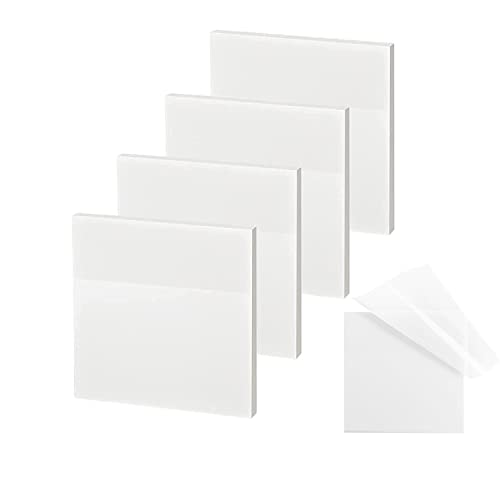
Muji notes are characterized by a matte, frosted finish that reduces glare when knitting under bright task lights. For those who find glossy plastic distracting, this subtle texture provides a softer visual experience.
The slim profile of these notes is ideal for adding small reminders, such as “increase row” or “place stitch marker,” to the margins of a page. They occupy minimal space, which is beneficial when using compact pattern notebooks or pattern keepers.
Keep in mind that the adhesive on these is slightly less aggressive than the market leaders. They work best on smooth, high-quality paper rather than heavily textured cardstock.
Stalogy Sticky Notes: Best for Chart Tracking
Stalogy notes excel for knitters who need to track multiple rows simultaneously. Their thin, film-like quality allows them to be layered without creating a bulky hump in a binder.
These notes are particularly useful when adjusting patterns for size, such as modifying a sweater yoke. They hold their position well during transport, ensuring your place remains secure when you pack your knitting away at a cafe or a commute.
The color selection is subtle, allowing for professional-looking annotations that don’t overwhelm the printed instructions. They represent a functional choice for those who view their pattern binder as a permanent, organized record.
Mr. Pen Sticky Notes: Top Budget-Friendly Choice
Mr. Pen provides a generous quantity, making them the default choice for large-scale projects like blankets or oversized shawls. If the plan involves heavy annotation across a 50-page pattern, this option minimizes the cost per page.
The film is slightly thicker than premium brands, which offers excellent durability during repeated movement. If you have a habit of shifting your place-marker frequently as you climb through the rows, these will not crinkle or lose their shape.
Be aware that because they are thicker, they are slightly less “invisible” over text. However, for highlighting large areas or sections, the trade-off is negligible and the value is high.
Mooqi Sticky Notes: The Best Multi-Color Value
Mooqi notes are the go-to for color-coding complex motifs, such as Intarsia projects where keeping track of different yarn bobbins is critical. Having a different color for each yarn colorway helps visualize the transition points in the chart.
The adhesion is reliable, and the colors are vibrant enough to be seen easily even in dim light. For knitters who frequently switch between different project phases, these colors act as an immediate visual shorthand for which section is being worked.
They offer a fantastic balance between price and performance. They are the ideal selection for building a comprehensive toolkit for diverse fiber arts projects.
Kokuyo Clear Sticky Notes: For Archival Safety
Kokuyo represents the pinnacle of Japanese stationery quality, offering a high-clarity film that is virtually undetectable once applied. For knitters who preserve their patterns in archival-grade binders for future generations, these are the best choice.
The adhesive is specifically formulated to be non-acidic and gentle. There is no risk of the sticky residue yellowing or damaging the paper over time, which is essential if your collection of vintage lace patterns is considered a long-term investment.
While they may be harder to source, the premium performance is worth the search. They provide the most professional finish for high-end pattern management.
The Best Pens for Writing on Translucent Notes
Writing on plastic film requires a different approach than writing on standard paper. Traditional ballpoint pens often skip or leave faint, illegible marks on these smooth surfaces.
- Permanent Ink Markers: Ultra-fine point permanent markers are the most reliable option for smudge-proof notation.
- Oil-Based Pens: These flow smoothly over plastic without beading up, ensuring sharp lines for chart symbols.
- Gel Pens with Caution: Some gel pens may smear indefinitely on plastic; opt for quick-drying varieties if a permanent marker isn’t available.
Always test your pen on the margin of the note before writing your actual pattern instructions. This prevents a mid-project smudge from obscuring critical row details.
How to Use Sticky Notes for Knitting Chart Work
The most effective way to use these notes is to place them immediately below the row currently in progress. As each row is completed, slide the note down to expose the next line of symbols.
This creates a clear “active row” boundary. It prevents the common pitfall of accidentally shifting eyes to the wrong row, which is a frequent cause of errors in lace and cable patterns.
For complex projects, use a vertical strip on the side to track repeat counts. By marking a tally on the translucent film, you keep your pattern clean while maintaining a real-time progress log.
Sticky Notes vs. Highlighter Tape for Patterns
Highlighter tape is a common alternative, but it functions differently than individual sticky notes. Highlighter tape is designed to stay in one place to color-block a section, whereas sticky notes are designed for mobility.
For repeating charts, sticky notes are superior because they are repositionable. Highlighter tape is best suited for marking final bind-off instructions or specific notes that stay relevant for the duration of the project.
Using a combination of both can be highly effective. Use notes for the working row and highlighter tape for static project notes like “repeat from * to *.”
Tips for Removing Notes Without Tearing Paper
Paper quality varies significantly, and even the “repositionable” notes can pull fibers if removed too aggressively. Always pull the note at a 180-degree angle, folding it back against itself as it releases.
Avoid pulling the note upward or at a sharp vertical angle, as this puts stress on the paper fibers. If the note feels stuck, apply a tiny amount of heat with a hair dryer to loosen the adhesive.
Taking an extra second to peel slowly protects the longevity of your physical patterns. Proper removal techniques ensure that your favorite patterns remain in usable condition for many years of repeat knitting.
By integrating these tools into your workflow, you create a more deliberate and error-free knitting experience. Whether you favor the durability of Post-it or the archival quality of Kokuyo, the right adhesive note transforms how you interact with complex charts. Experiment with these options to find the balance of clarity and function that best suits your personal knitting style.