6 Yarn Bowls For Delicate Fibers To Protect Stitches
Keep your delicate fibers tangle-free and pristine with our top 6 picks for functional, beautiful yarn bowls. Explore our curated list and find yours today.
Working with fine, high-twist silk or delicate hand-dyed lace weight yarn requires more than just patience; it demands the right equipment to ensure the fiber remains pristine throughout the knitting process. A yarn bowl acts as the ultimate safeguard, preventing costly tangles and keeping fragile strands free from household dust and pet hair. When the stakes are high—such as when working with a single-ply cashmere or a fragile mohair blend—the texture and finish of the bowl become just as important as the needles chosen for the project. These six selections cater to the specific needs of fibers that demand a gentle, frictionless environment.
Furls Streamline Galaxy Bowl: The Smoothest Glide
The Furls Streamline Galaxy bowl offers a finish so refined that it minimizes friction for even the most delicate, sticky yarns like mohair or angora. Its wide-aperture spiral ensures that the yarn flows continuously without snagging on the entry point.
When working with fibers that have a tendency to “grab” onto surfaces, this bowl’s ultra-smooth surface is a significant advantage. It prevents the yarn from tensioning unevenly as it pulls from the cake, which is vital for maintaining an even gauge in lace projects.
Bottom line: If the primary concern is preventing snagging on a textured yarn, this is the premier choice for a seamless knitting experience.
The Yarn Valet: Best For Travel With Lace Weight


Compact and portable, the Yarn Valet is designed for the knitter who frequently works on lace shawls while commuting or traveling. It prioritizes stability and organization over the traditional heavy ceramic bowl silhouette.
Because lace weight yarn is highly susceptible to catching on rough edges or wandering across the floor, the secure, enclosed nature of this design keeps the ball contained. It prevents the frustration of retrieving a rolling ball of silk from under a cramped airplane seat or cafe table.
Bottom line: Choose this if the knitting routine involves constant movement, as it provides a secure environment for lightweight, slippery yarns.
Nagasawa’s Wood Bowl: Heirloom Quality Protection

Hand-turned wood bowls like those from Nagasawa provide a grounding, natural weight that keeps the bowl firmly in place on any surface. Wood offers a unique advantage: it can be buffed to an incredible smoothness that is warmer and softer to the touch than cold ceramic or plastic.
For long-term storage or working with expensive, heavy-weight luxury yarns, the natural oils in the wood finish help keep fibers slightly static-free. This is particularly useful when the humidity is low and static electricity threatens to make delicate plies fray.
Bottom line: This is a long-term investment for the knitter who values both aesthetic beauty and a sturdy, stationary workspace.
Gecko’s Toes Pottery Bowl: Artisan’s Choice
Ceramic bowls from boutique makers like Gecko’s Toes often feature hand-glazed finishes that provide a truly unique, snag-free surface. These bowls are typically fired at high temperatures, resulting in a dense, durable material that resists the accidental chips and cracks common in lesser-quality pottery.
When selecting artisan ceramics, check the interior spiral for any burrs or glaze drips. A high-quality artisan piece will ensure that the yarn glides effortlessly through the feed, which is essential when the stitch pattern requires precise, consistent tension.
Bottom line: Select an artisan piece if you want a bowl that functions as a work of art while offering a high-performance, smooth interior for your finest yarns.
The LilyPad Silicone Bowl: Totally Snag-Proof
Silicone represents a modern solution for those who are worried about the inherent risks of wood or ceramic. The LilyPad design is soft, flexible, and completely devoid of the sharp edges or join seams that sometimes plague other materials.
Because the material is slightly grippy on the exterior, it stays put on smooth surfaces without requiring a weighted base. If the yarn is particularly slippery—such as 100% bamboo or rayon—the bowl’s inherent material stability makes it an excellent choice for preventing accidental tangles.
Bottom line: This is the safest, most durable option for a busy household where the bowl might be knocked off a table or handled by younger crafters.
KnitPicks Rosewood Bowl: A Polished Classic
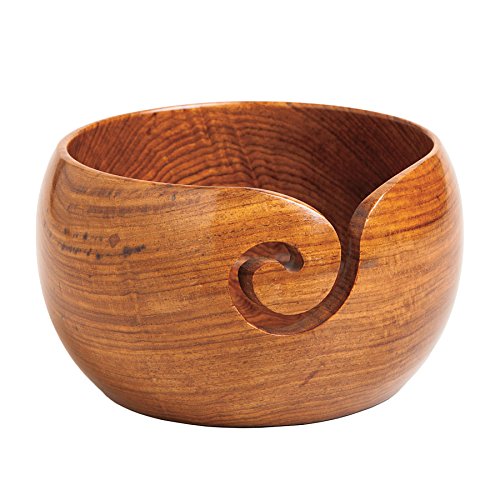
Rosewood is favored for its density and its ability to take a high-luster polish, creating a surface that is exceptionally kind to delicate threads. This classic design is a staple for a reason: it balances weight, aesthetics, and functionality perfectly.
The dark, rich grain of the wood makes it easy to see light-colored yarns as they feed, which helps the knitter spot potential tangles before they enter the knitting cycle. It is a reliable tool for those who prefer a traditional, elegant look that does not sacrifice performance.
Bottom line: For the knitter who wants a reliable, classic tool that excels with a wide variety of fiber weights, this rosewood bowl is an industry standard.
How to Choose a Bowl for Delicate Fibers
Selecting the right bowl requires an assessment of both the fiber type and the knitting environment. If the project uses high-twist, smooth yarns, prioritize the smoothness of the interior finish above all else.
Consider the following factors: * Weight: A heavier bowl is less likely to jump or slide when knitting with a fast, rhythmic pace. * Aperture shape: A closed swirl keeps the yarn contained, whereas a simple notch allows for easier yarn changes. * Finish: Ensure the interior surface is free of any finish imperfections that could catch a single ply of lace-weight yarn.
Always match the bowl to the specific weight of the project. A small bowl may be perfect for a single ball of fingering weight, but a larger, deeper bowl is required for bulky, airy alpaca or mohair blends that occupy more volume.
Wood vs. Ceramic: Which Is Safer for Silk?
The debate between wood and ceramic largely comes down to personal preference and finish quality. Ceramic is naturally cooler and often heavier, which provides excellent stability, but it is prone to cracking if handled roughly.
Wood provides a softer, more organic feel that many find complements the tactile nature of protein fibers like wool and silk. However, wood must be well-sealed; if the finish is rough or worn, it can splinter and snag delicate fibers. Always ensure that the wood bowl is sealed with a food-safe, non-tacky finish to protect the integrity of the yarn.
The Silk Thread Test: Check Bowls for Snags
To verify if a bowl is safe for your most expensive, fragile yarns, perform the silk thread test. Take a strand of thin, smooth silk and run it along every inch of the bowl’s interior and through the yarn feed spiral.
If the thread catches, hitches, or pulls at any point, the bowl is not suitable for delicate fibers without further sanding or repair. A high-quality tool should allow the thread to move with zero resistance, ensuring that a silk or cashmere blend will never suffer a broken ply during the knitting process.
Do You Really Need a Lid on Your Yarn Bowl?
A lid is an optional feature, but it is invaluable for households with pets or small children. For delicate fibers, a lid serves as a secondary layer of protection against dust and debris that can easily cling to sticky mohair or angora fibers.
If the knitting often takes place on the floor or in high-traffic areas, a lidded bowl or a deep-walled design acts as an essential barrier. While not required for every knitter, it is a significant quality-of-life upgrade that keeps project yarn clean and untangled during long-term storage or travel.
Investing in a high-quality yarn bowl is a commitment to the longevity of your projects, ensuring that even the most fragile materials are handled with the care they deserve. By focusing on the texture, weight, and safety features of the design, you can find the perfect tool to elevate your craft. Whether opting for the warmth of wood or the sleekness of ceramic, the right choice will ultimately make your knitting experience more fluid, organized, and enjoyable.