6 Travel Totes For Workshop Supplies That Organize Well
Stop struggling with cluttered gear. Explore our top 6 travel totes for workshop supplies designed to keep your tools organized. Find your perfect bag today.
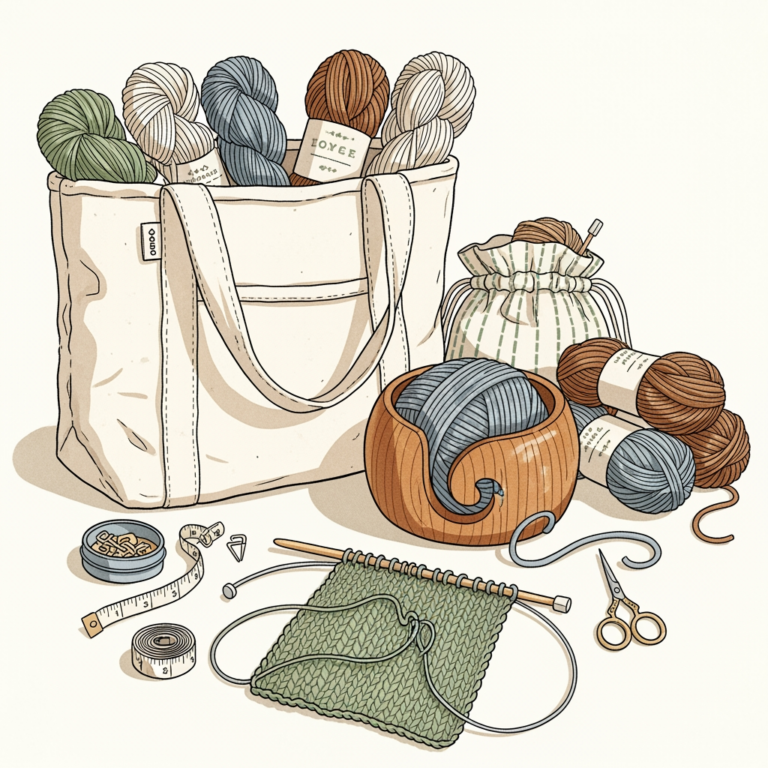
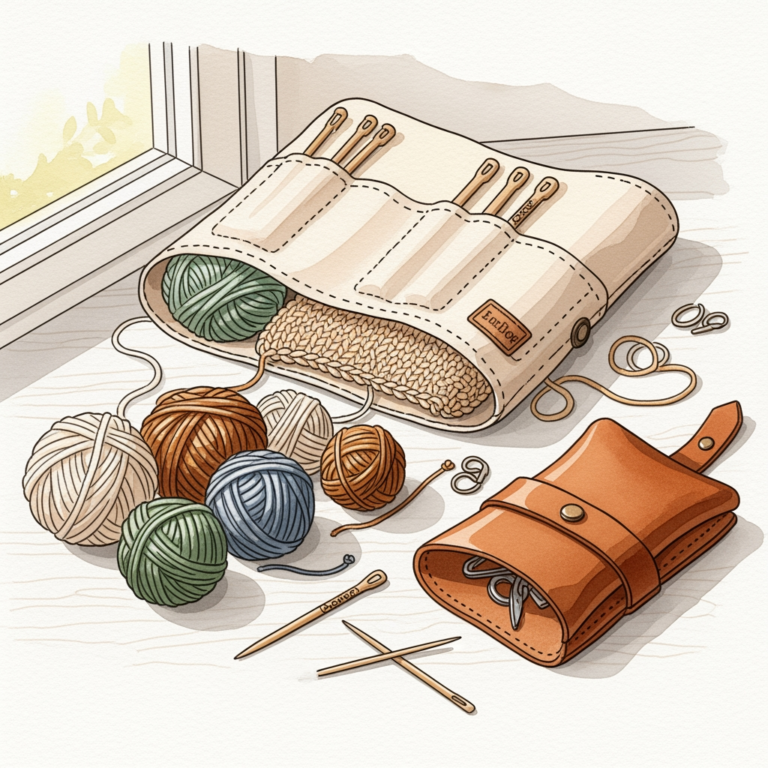
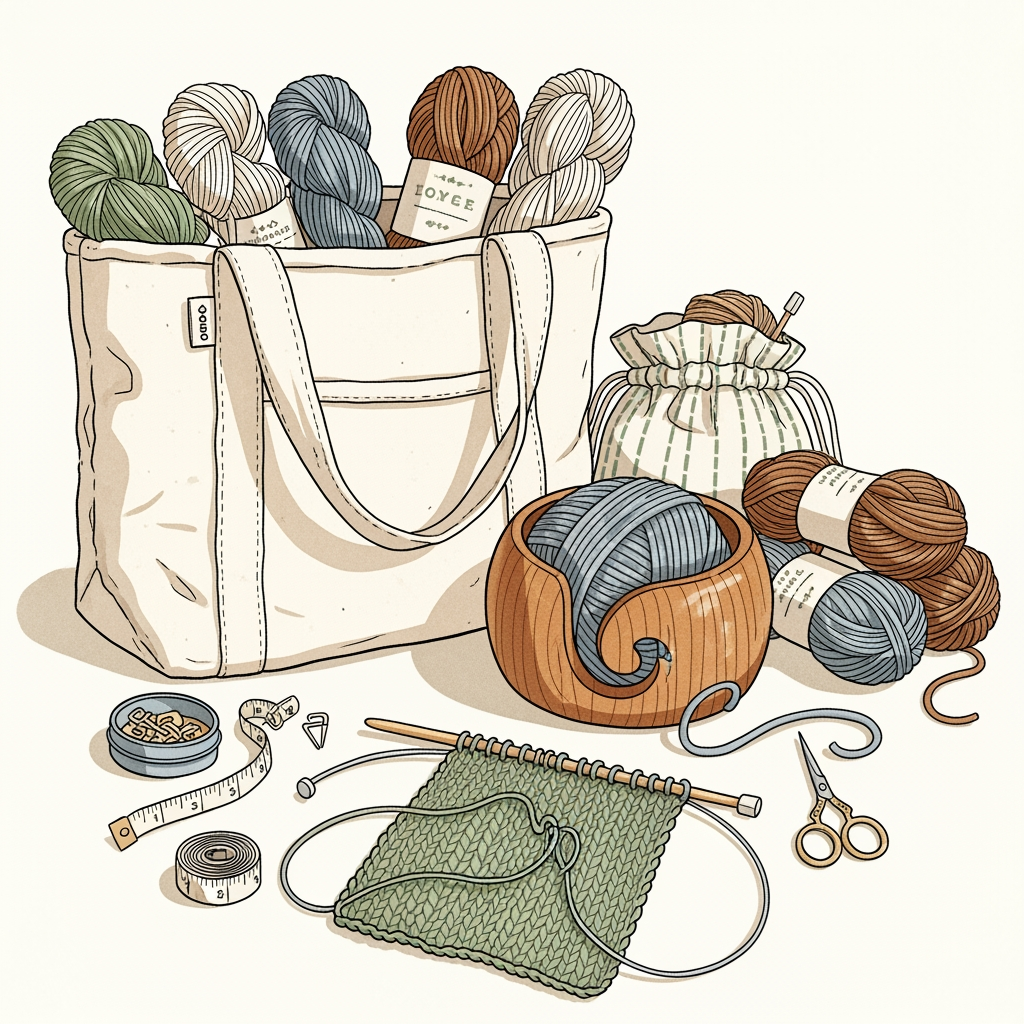
Attending a knitting workshop requires a delicate balance between carrying essential tools and ensuring those items remain organized under the pressure of a fast-paced learning environment. When traveling with delicate needles, multiple yarn cakes, and intricate pattern charts, a standard handbag rarely suffices. The right tote must protect your project while providing immediate access to the notions that keep your tension consistent and your progress moving forward. Selecting a specialized bag is not merely about aesthetic preference; it is about mitigating the stress of lost stitch markers and tangled yarn during a weekend of intensive making.
Della Q Maker’s Tote: The Ultimate Organizer


The Della Q Maker’s Tote is engineered specifically for the knitter who requires a place for every single notion. It features a dedicated spot for yarn bowls, water bottles, and even needle organizers that snap into the interior.
This bag excels for workshops where you need to switch between different gauge projects or needle sizes quickly. The structured base ensures the bag stays upright on a classroom floor, preventing your yarn from rolling away.
The primary tradeoff is the weight of the bag itself, which can be significant when fully loaded with a project and multiple sets of interchangeable needles. If you prefer to travel light, this may feel cumbersome, but for the serious crafter, the level of organization provided is unmatched.
Joji & Co. BA Bag: Style Meets Functionality
The Joji & Co. BA Bag bridges the gap between high-end fashion and practical studio utility. It is crafted with a focus on durability, utilizing robust leathers that develop a patina over time, which speaks to its longevity in a knitter’s collection.
The interior layout is designed for the knitter who likes to see their materials at a glance. It provides a cavernous space that accommodates larger projects, such as a full-sized sweater or a complex brioche shawl, without compressing the fiber.
Because it lacks the rigid compartmentalization of other bags, you must use smaller project pouches to keep your notions from sinking to the bottom. It is the ideal choice for a knitter who prioritizes a minimalist exterior and prefers a modular approach to packing.
Yarn Pop Traveler: The See-It-All Tote Bag

The Yarn Pop Traveler utilizes clear vinyl panels, which solve the most common frustration of workshop travel: forgetting exactly which yarn color or needle size is buried in your bag. This transparency allows for a quick audit of your supplies during a workshop break.
Designed with grommets for yarn management, it prevents tangling by allowing the yarn to feed directly from the bag while you knit. This feature is particularly helpful when working with multiple colors for stranded colorwork.
While the vinyl is durable, it does not provide the same structural protection as canvas or leather. It is best used for smaller, flat projects like socks or lace scarves rather than heavy garments that could place stress on the seams.

The Madewell Transport Tote: Beyond Knitting
The Madewell Transport Tote is a favorite for knitters who want a bag that transitions seamlessly from the workshop to everyday life. Its classic design hides its utility, allowing you to carry your knitting supplies without looking like you are hauling craft equipment.
The interior is essentially one large, open space, which is perfect for stashing a project bag or a binder of patterns. However, it lacks dedicated tool pockets, so you will need to invest in a separate notions case to keep your tape measure and scissors secure.
The leather is sturdy and holds its shape well, which is helpful if you are transporting fragile circular needles. If you value a professional aesthetic over specialized knitting compartments, this remains a gold-standard choice.
GoKnit Project Bag: For the Minimalist Crafter
The GoKnit Project Bag is the definition of functional simplicity for the knitter who values speed and portability. It is essentially a lightweight, draw-string pouch that hangs comfortably from your wrist, allowing for “knit-anywhere” convenience during workshop transit.
This bag is perfect for sock knitters or those working on small-gauge projects. It keeps the yarn clean and the needles contained without the bulk of a heavy leather or canvas tote.
Be aware that because it is a flexible pouch, your needle tips are prone to poking through the fabric if you carry them loosely. Always use a needle case or tip protectors to ensure your bag—and your hands—stay safe from sharp points.
Loopy Ewe Project Tote: Built by Knitters
The Loopy Ewe Project Tote is designed by people who understand the specific needs of yarn storage. It features thoughtful pockets sized specifically for common notions, such as cable needles, stitch markers, and small embroidery scissors.
The fabric choice is generally rugged, standing up to the wear and tear of repeated travel and floor placement. It is a workhorse bag that favors function over ornamentation.
If you struggle with organization during workshops, this bag forces a tidy approach. It is an excellent investment for a beginner who is still building a collection of tools and needs a system that encourages good habits from the start.
What to Pack for a Knitting Workshop Weekend
Your workshop packing list should focus on redundancy for critical items. Always carry two pairs of your current needle size, as accidents happen and a snapped needle can halt a project entirely.
- Notion Essentials: Stitch markers (both locking and closed), a tape measure, a darning needle, and small, TSA-approved scissors.
- Needle Care: A full interchangeable set plus an extra cord or two to accommodate projects that need to be left on the cable.
- Safety Items: Needle tip protectors and a small ziplock bag for holding bits and pieces in case your tote spills.
Pack your yarn in individual small bags to prevent color bleeding or fiber friction during travel. If you are bringing multiple projects, label your needle sizes with a small piece of painter’s tape to avoid confusion when moving between tasks.
Choosing a Tote: What Features Matter Most?
When selecting a bag, consider the weight of your most ambitious project. If you are knitting a heavy wool-blend sweater on larger needles, you need a tote with reinforced straps and a solid, flat bottom to distribute the weight.
Stability is just as important as capacity. A bag that topples over frequently invites dropped stitches and lost notions, so look for a wide base or a square construction.
Finally, think about your environment. A workshop floor is often crowded; a bag that is too wide or lacks a way to close securely will inevitably collect dust or trip someone. Choose a bag that keeps your workspace contained and your supplies off the ground.
How to Organize Your Notions for Easy Travel
Avoid dumping all your notions into one pouch. Use a clear, multi-pocketed organizer to separate your sharp items from your soft tools, as constant contact can dull scissors or snag delicate yarn.
Categorize by project phase. Keep your “casting on” tools together and your “finishing” tools, like tapestry needles and blocking pins, in a separate, labeled container.
Utilize small tins or silicone cases for stitch markers to prevent them from scattering. If you are working on a project with multiple colors, keep your yarn ends tucked away in their own small bags to avoid the “yarn barf” that occurs when cakes collapse in transit.
Tote Materials: Waxed Canvas vs. Leather
Waxed canvas is arguably the superior choice for a dedicated knitting tote because it is water-resistant and develops a unique aesthetic without requiring regular maintenance. It stands up on its own, providing a stable “bucket” for your yarn while you work.
Leather is more durable in the long term, but it requires care and can be heavy, which makes it less ideal for lugging around a heavy weekend’s worth of supplies. Leather also has a “grab” factor; your yarn may stick to the interior lining more easily than it would against canvas.
If you choose leather, ensure the interior is lined with a smooth fabric to prevent fiber snagging. If you choose waxed canvas, ensure the seams are reinforced, as the material can be stiff and prone to tearing at high-stress points if poorly manufactured.
Selecting the right tote is a foundational step in your evolution as a maker. Whether you choose the compartmentalized precision of a Della Q or the minimalist agility of a GoKnit, your bag should serve your craft, not hinder it. Invest in quality, keep your notions orderly, and focus on the joy of the stitches ahead.