6 Silicone Mats For Clean Glue Application To Try
Tired of messy workspaces? Explore our top 6 silicone mats for clean glue application to keep your craft area pristine. Shop these essential tools today!
Glue application in fiber arts often feels like an afterthought, yet the right surface determines whether a delicate lace repair or a structural fabric reinforcement succeeds or ruins a project. A dedicated silicone mat provides a non-stick workspace that prevents adhesive from bonding to expensive blocking boards or finished knitwear. Silicone allows dried glue to peel away cleanly, saving time and frustration during intricate finishing work. Selecting the right mat ensures that tools remain in prime condition for years of crafting.
Mod Podge Silicone Mat: Best for Decoupage
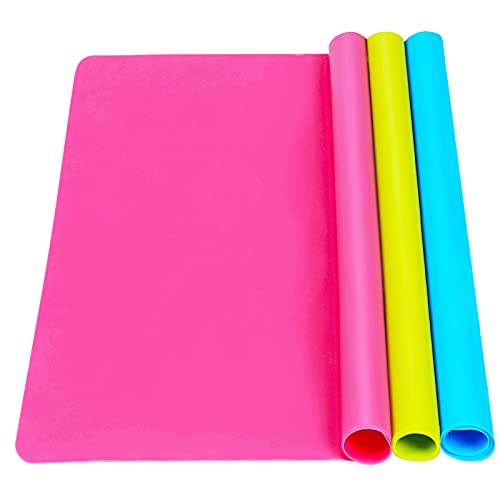

This mat excels when working with permanent adhesives that might otherwise destroy a wood or plastic surface. It provides a dedicated, non-reactive space for applying glue to fabric patches or appliques destined for knitted garments.
The surface texture is specifically designed to keep wet adhesive from spreading into unwanted areas. This is vital when adding felt or leather elbow patches to a sweater, where a single stray smear of glue can permanently mar a wool fiber.

For those focusing on high-precision adhesive work, this mat offers a reliable, stable base. It cleans up quickly, ensuring no residue transfers to the next project.
Anezus Silicone Sheet: Best Multi-Pack Value

Multi-pack options serve the knitter who keeps a permanent station for finishing work while maintaining a portable kit for knitting retreats or travel. Having extra sheets allows for simultaneous drying of multiple components without cluttering the workspace.
When applying fabric glue to small reinforcements for sock heels or mitten thumbs, having a secondary clean mat is a significant workflow advantage. It prevents the cross-contamination of different adhesives, such as textile cement and lighter fabric glues.
These sheets are generally thinner, making them easy to fold or roll into a notions bag. They provide a cost-effective solution for equipping a full craft room without a heavy financial investment.
LUCKYYJ Large Silicone Mat: For Bigger Projects

Large mats are essential when blocking and gluing larger pieces, such as heavy felted bags or full-width fabric linings for hand-knitted cardigans. A expansive surface ensures the entire project stays flat and supported throughout the curing process.
Without a large-scale surface, long seams risk folding onto themselves, creating unwanted glue lines or structural weak points. A large mat allows for the consistent application of pressure across an entire seam, ensuring an even bond.
The sheer size of this mat also acts as a protective layer for finished furniture. Protecting a mahogany table from stray adhesive is just as important as protecting the work itself.
Let’s Resin Silicone Mat: With Paint Palettes
The integrated palettes on this mat are surprisingly useful for fiber artists working with textile dyes or specialized fabric glues. They allow for the controlled mixing of small batches of adhesive, preventing the waste common with disposable cups.
When color-matching fabric glue or mixing dyes for fiber repair, precision is key. The built-in wells provide a contained space for experimentation without ruining the main working area of the mat.
While the primary function is glue management, these palettes prove their worth during custom embellishment projects. They keep dyes and adhesives organized and away from the delicate fibers of the main project.
Arteza Silicone Craft Mat: Trusted Art Brand
Arteza mats are manufactured with a focus on durability, offering a thicker gauge of silicone than many generic alternatives. This robustness is ideal for crafters who apply pressure while smoothing glue into heavy-duty fibers like denim or canvas.
The material quality resists heat well, which is an important feature for those who use a low-heat setting on an iron to set glue-backed iron-on patches. A higher-quality silicone won’t degrade or warp under those conditions.
Investing in a branded, reliable mat often results in a longer product lifespan. It is a one-time purchase that withstands years of repetitive cleaning and glue exposure.
WYAO-CWEA Mat: The Budget-Friendly Option
For the occasional finisher, a budget-friendly mat provides all the necessary functionality without unnecessary premium features. It offers a consistent, non-stick surface that performs the essential task of keeping glue away from finished knitted fabric.
Simplicity is often an asset in a crowded workspace. A basic mat is easy to wipe down, store, and replace if it eventually accumulates stubborn residue from experimental adhesives.
Beginners who are experimenting with fabric fusion or patchwork will find this to be a low-risk entry point. It demonstrates the utility of a dedicated surface before committing to more expensive, specialized equipment.
How to Choose the Right Silicone Craft Mat
Consider the primary project type before selecting a mat. If the focus is on delicate lace or fine gauge knitting, a thin, smooth mat is preferable to ensure no texture is transferred to the fabric.
Thickness matters if the mat will be used as a protective layer for a work surface during heavy-duty cutting or pinning. A thicker mat prevents needles or blades from marring the table underneath.
Check for “heat-resistant” ratings if the project involves heat-set adhesives or iron-on interfacing. Not all silicone mats are created equal in their thermal stability, and checking the manufacturer’s specifications will prevent a ruined project.
Cleaning and Caring For Your Silicone Mat
Regular maintenance of a silicone mat requires nothing more than warm, soapy water and a soft cloth. Most dried adhesives, including common fabric glues and textile cements, will pop off the surface once cured.
Avoid using sharp metal scrapers to remove stubborn glue, as these can create microscopic tears in the silicone. Once the integrity of the surface is compromised, it becomes a magnet for future glue buildup.
Store the mat flat or rolled, but never folded with a sharp crease. Creases in silicone mats can eventually crack, creating a weak point where glue will settle permanently and become impossible to clean.
Why Mat Size and Thickness Matter for Crafts
A mat must be at least two inches larger on all sides than the project being glued. This margin provides sufficient room for tools, extra glue, and clean workspace for the hands to maneuver.
Thickness serves two purposes: longevity and surface protection. A thicker mat acts as a self-healing layer if pins are used to hold fabric in place while the adhesive cures.
Always evaluate the available workspace first. There is no benefit to a massive mat that prevents a project from lying completely flat due to desk space limitations.
Beyond Glue: Other Uses for Your Craft Mat
Silicone mats serve as excellent non-slip surfaces for blocking small items like knitted coasters or lace ornaments. Their grippy nature holds the piece firmly in place without the need for excessive pinning.
They also provide a safe place to set down hot knitting notions, such as a steam iron or a heated needle-felting tool. Because they are inert, they won’t react with oils or chemicals found in fiber treatments.
For those who do mixed-media fiber art, these mats act as a central hub for all assembly tasks. Their versatility makes them one of the most useful, yet undervalued, tools in the knitting arsenal.
With the right silicone mat, the anxiety surrounding messy glue work vanishes, leaving more time to focus on the intricate details of a project. By choosing a surface that aligns with the scale and requirements of the work, you ensure that every knitted piece remains pristine from the moment it leaves the needles to the final structural reinforcement. Treat the workspace with as much care as the fibers themselves, and the results will reflect that commitment to quality.