
6 Best Polishing Pastes For Brass Button Restoration
Restore your vintage items with our expert guide to the 6 best polishing pastes for brass button restoration. Click here to choose the right product today.
Finding a vintage brass button at a flea market or pulling a well-loved cardigan from storage often reveals tarnished metal that clashes with pristine, hand-knitted fabric. While a vibrant, clean button elevates a project, using the wrong cleaning agent can permanently stain delicate natural fibers like wool, alpaca, or silk. Restoring these fasteners requires a delicate balance between removing oxidation and protecting the surrounding stitches. The following guide explores the best polishing agents for brass hardware, ensuring that heirloom pieces remain showstoppers rather than hazards.
Brasso Metal Polish: Best for Heavy Tarnish


Brasso is a long-standing industry standard for a reason. Its aggressive chemical composition effectively breaks down thick layers of oxidation and dark tarnish that accumulate on brass buttons over several decades.
For knitters restoring a vintage coat where the buttons have turned nearly black, this is the most reliable starting point. However, because it is quite strong, it requires absolute precision during application. A single drip onto a mohair blend could result in immediate discoloration of the fibers.
Always remove buttons from the garment before using this product. The risk of chemical contact with your yarn is simply too high to justify “polishing in place.”
Wenol Metal Polish: Best for a Mirror Finish
Wenol is prized for its ability to produce a high-luster, mirror-like finish that makes brass pop against high-contrast yarns like deep navy merino or charcoal wool. It achieves this shine through extremely fine abrasives that smooth out microscopic surface imperfections.
This polish works wonders on buttons that have been sitting in a sewing kit for years and have lost their luster. It is slightly less harsh than liquid alternatives, making it a favorite for buttons with subtle engravings.
Because it leaves behind a protective film, it helps delay future tarnishing. This is particularly beneficial for knitters who live in humid climates, where metallic elements often oxidize more rapidly.
Simichrome Polish: Best for Intricate Details
Simichrome excels at reaching into the crevices of embossed or filigree brass buttons. Its thick, paste-like consistency stays exactly where it is placed, minimizing the risk of runoff.
When working with ornate buttons, apply a tiny amount using a cotton swab. This control is vital for knitters, as it keeps the polish away from the delicate fibers of the buttonhole placket.
The high-quality formulation creates an incredibly bright shine with very little elbow grease. For the knitter working on a complex lace shawl with brass toggles, this provides a professional, high-end finish without excessive effort.
Flitz Paste Polish: Best Non-Abrasive Option

Flitz stands out because it is non-toxic and non-abrasive, making it a safer choice for those concerned about harsh chemical residues near their hands or yarn. It is an excellent option for delicate, antique brass that might be damaged by more aggressive cleaners.
This polish is highly versatile and works on more than just metal; it performs well on plastics and synthetics too. If a project features a mix of materials, this is the safest “all-in-one” solution for a quick refresh.
While it may require more buffing time to achieve a shine compared to stronger formulas, the peace of mind regarding fiber safety is significant. It is the top recommendation for beginners who are nervous about potential damage to their hard work.
Wright’s Brass Cream: Best Gentle Formula
Wright’s Brass Cream is formulated to be gentle on the metal surface while still being tough on tarnish. It is less likely to strip away fine details or delicate plating on lower-quality brass buttons.
The cream consistency is easy to wipe on and buff off without creating a messy, liquid-based hazard. For the knitter who prefers a low-fuss cleanup, this is a highly efficient choice.
It is particularly effective on buttons that show signs of light oxidation. It restores the original warm glow of the brass without leaving it looking unnaturally bright or “cheaply” shiny.
Cape Cod Polishing Cloths: Best Mess-Free Choice
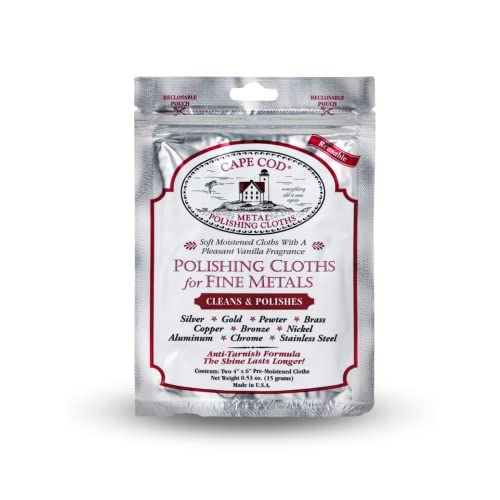
Cape Cod cloths are pre-moistened, meaning there is no need to fumble with jars, cotton swabs, or rags while sitting in your favorite knitting chair. This is the ultimate “low-mess” solution for a quick polish.
The cloth acts as both the applicator and the buffer. This dual functionality is perfect for those who want to polish buttons without setting up a workstation or risking spills on a finished project.
Because the polishing agent is contained within the fabric, you have much greater control over where the polish goes. Simply fold the cloth into a small square and rub it across the button surface, avoiding the edges where yarn contact is likely.
How to Polish Buttons Without Harming Your Yarn
The golden rule of button maintenance is to detach the hardware from the garment whenever possible. Even with “gentle” polishes, the risk of transferring chemicals onto delicate wool, alpaca, or cashmere is a real danger.
If you must polish buttons while they remain on the garment, create a barrier. Slip a piece of heavy cardstock or thin plastic between the button and the knitting to act as a shield.
- Avoid over-saturating: Use less polish than you think you need.
- Wipe thoroughly: Use a clean, dry cloth to remove every trace of residue before allowing the button to touch the yarn again.
- Watch for wicking: Remember that natural fibers are porous; they will pull liquid polish out of the crevices of a button via capillary action.
Paste vs. Cream vs. Cloths: Which Is for You?
Choosing between forms depends on your comfort level and the state of your hardware. Pastes (like Simichrome) are best for deep, detailed cleaning where precision is key. Creams (like Wright’s) offer a balanced, easy-to-use solution for general maintenance.
Cloths are the superior choice for light touch-ups on garments you wear regularly. They eliminate the danger of spills and make the process feel like a simple chore rather than a laboratory experiment.
Consider the surface area of your buttons. Large, flat brass buttons benefit from cream, while small, intricate shanks are best served by a targeted paste application.
Protecting Patina: When Not to Polish Brass
Not every brass button looks better when shiny. Antique buttons often feature a “patina”—a darkened, aged layer that adds character and historical value. Polishing this away can actually decrease the aesthetic appeal of a vintage-style sweater.
If the button appears intentionally darkened in the grooves, leave those areas alone. A light buffing of the high spots may be enough to provide contrast without destroying the antique charm.
When in doubt, start with a dry polishing cloth. If that does not provide the desired result, then move on to a mild polish, working up to the stronger formulas only if absolutely necessary.
Safety Tips for Using Metal Polishes at Home
Always work in a well-ventilated room, especially when using solvent-heavy products like Brasso. The fumes from metal polishes can be overpowering, and your knitting space should remain a clean environment for both your lungs and your fibers.
Wear gloves if you have sensitive skin, as these products are designed to break down organic matter and oils. Wash your hands thoroughly before touching your yarn again to prevent transferring chemical residues to your project.
Keep all polishing agents, cloths, and residues stored far away from your stash. Chemicals and yarn fibers should never share the same storage space, as even the fumes from an open container can potentially affect delicate natural fibers over time.
Properly maintained brass hardware adds a sophisticated, lasting touch to any handmade garment. By selecting the right polishing agent and prioritizing the safety of your fibers, you ensure that both your buttons and your knitting remain in heirloom-quality condition for years to come.